Google Maps Success Stories: Real Results for Multi-Location Chains
How brands in Argentina, Mexico, and the United States turned review management into a scalable Google Maps positioning and acquisition system.
Request demoIntroduction
Google Maps has become one of the main acquisition channels for local businesses.
Chains that implement a structured review-generation and management system achieve sustained review volume, stronger reputation control by location, better Map Pack visibility, and operational standardization.
Below are real cases from brands that adopted a scalable Google Maps SEO model.
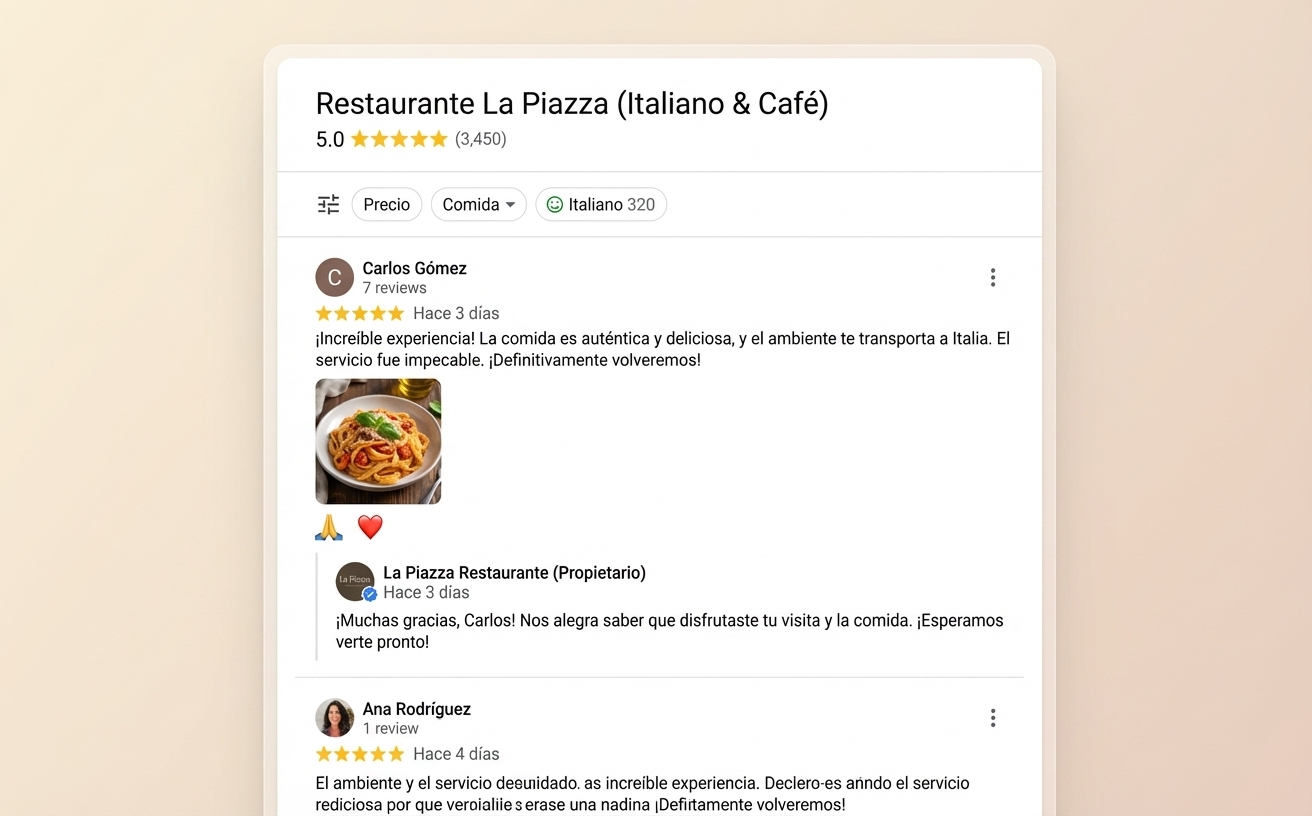
What defines a Google Maps success story
Success is not measured only by total review count. It is measured by:
- Sustained flow of new reviews.
- Consistency across locations.
- Reduced response time.
- Centralized control.
- Sustained improvement in local visibility.
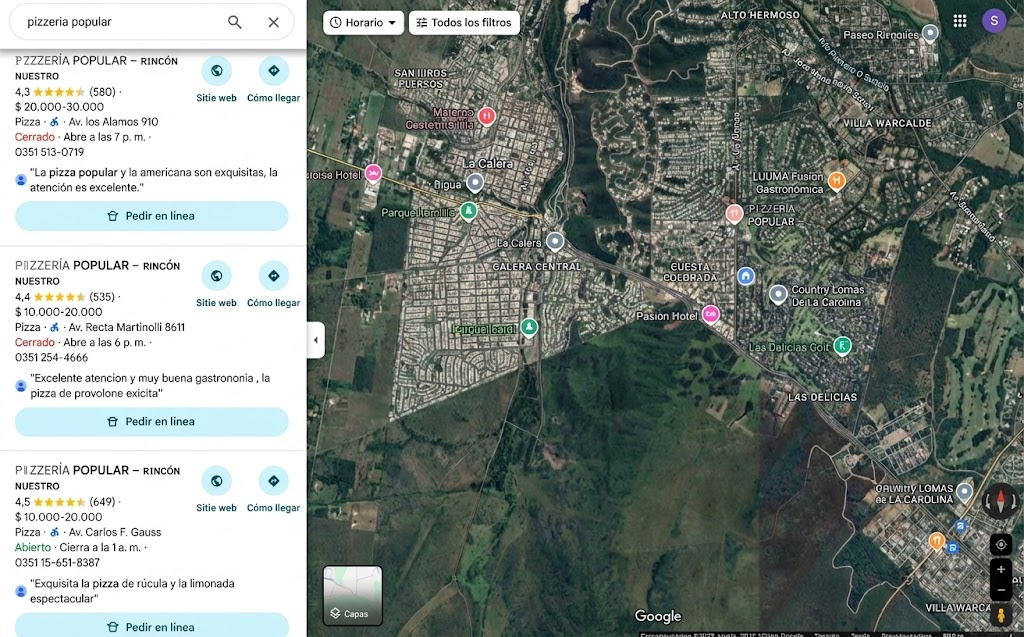
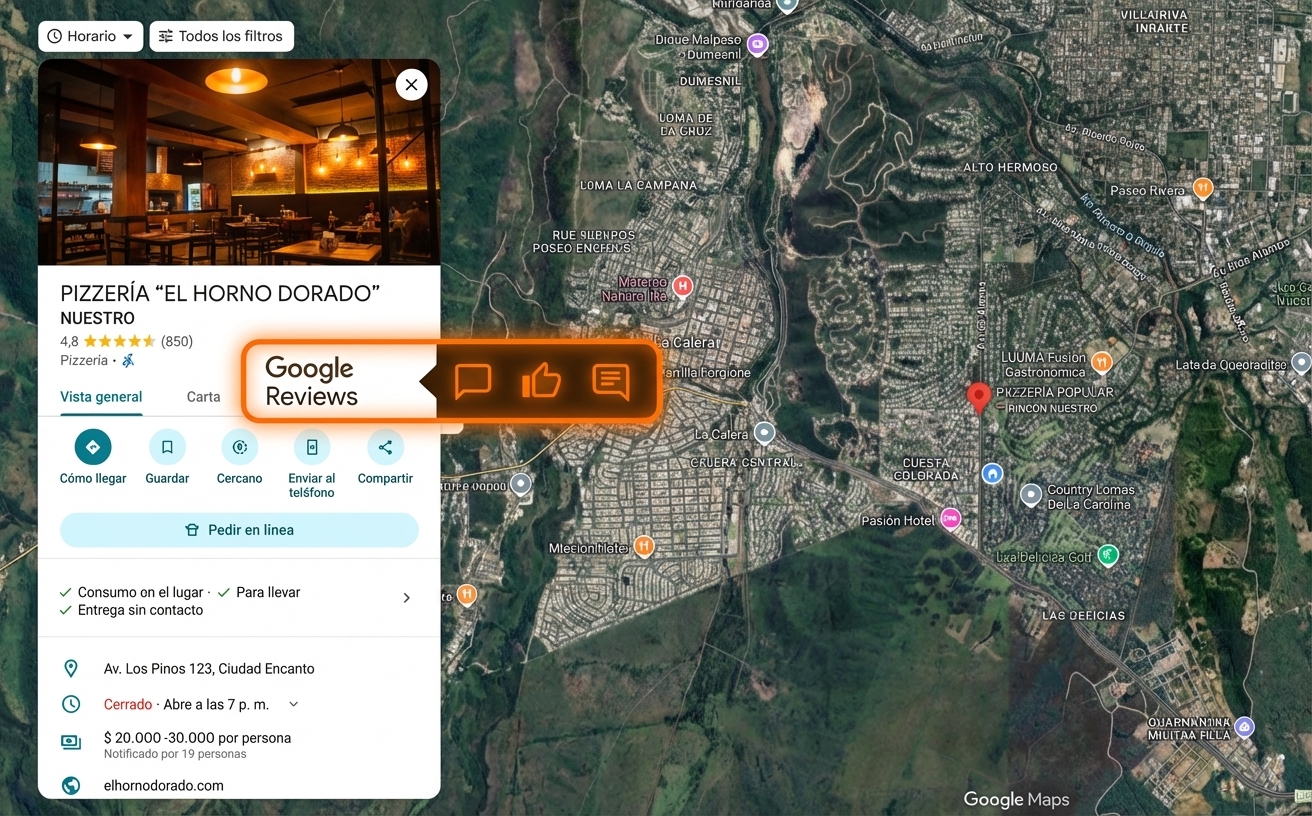
Pizzería Popular (Argentina)
120 locations. +40,000 reviews generated. Active system across the full network.
Initial challenge: location-level reputation variability, non-scalable manual workflows, lack of comparative metrics, and no continuous system.
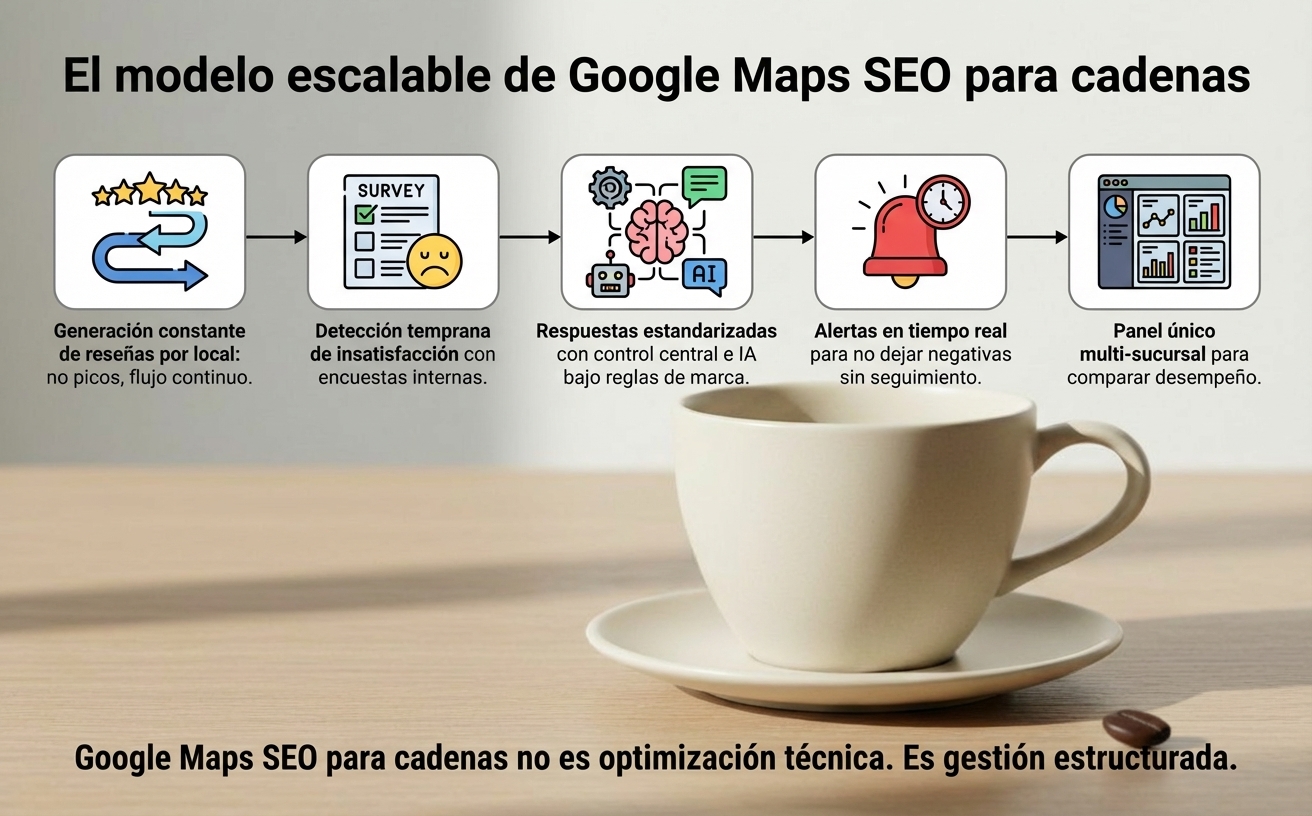
- Geo-targeted review generation by location.
- Internal surveys to filter dissatisfaction.
- Real-time alerts.
- Automated responses with brand rules.
- Multi-location comparative dashboard.
- Result: steady growth, stronger reputation consistency, and better local ranking control.
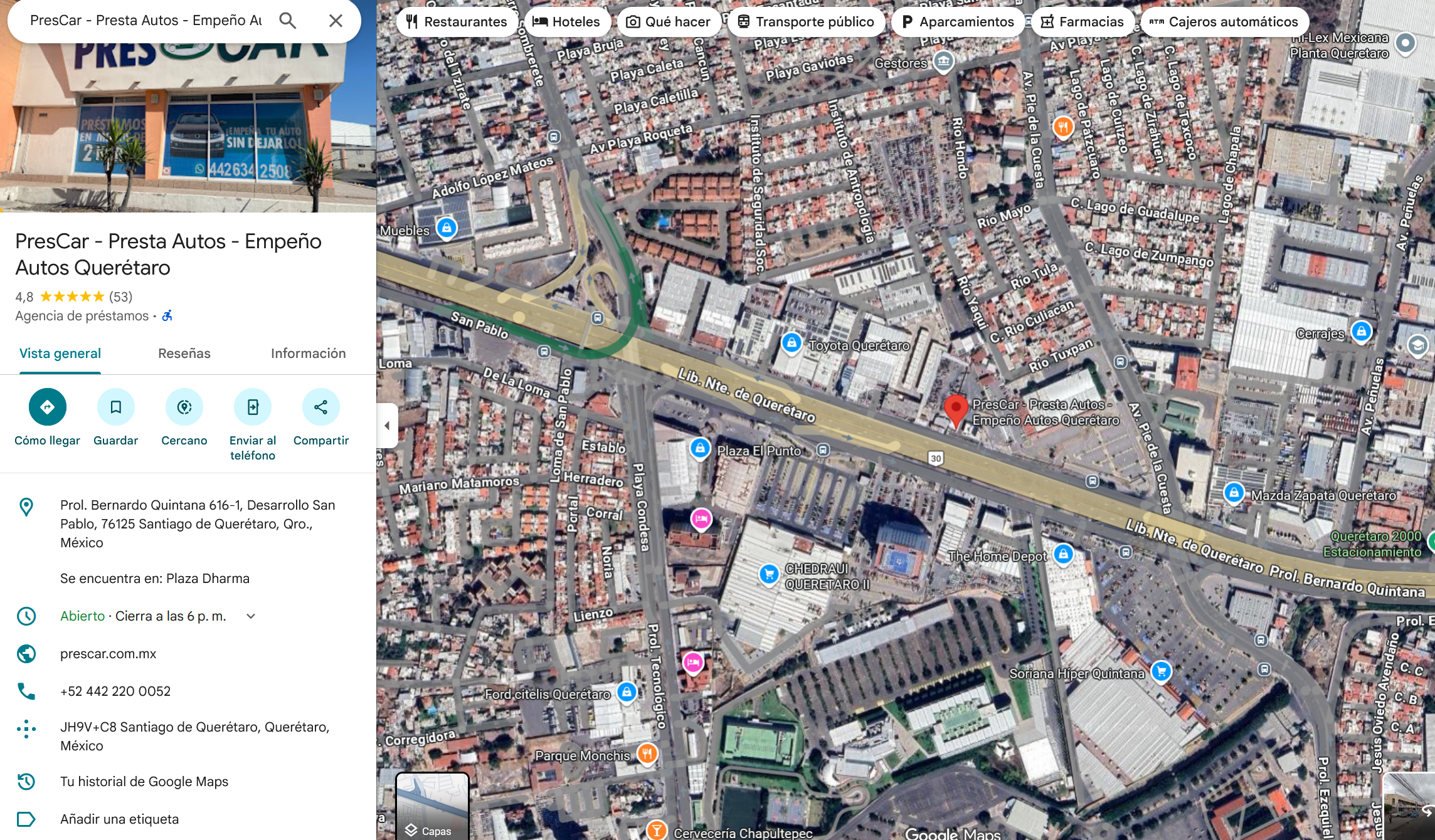
PresCar (Mexico)
Context: multi-location business that needed a professional reputation workflow.
- Problem: inconsistent replies, no centralized control, no comparative metrics.
- Implementation: response automation, continuous review flow, centralized monitoring.
- Result: unified management, sustained visibility growth, strategic channel control.
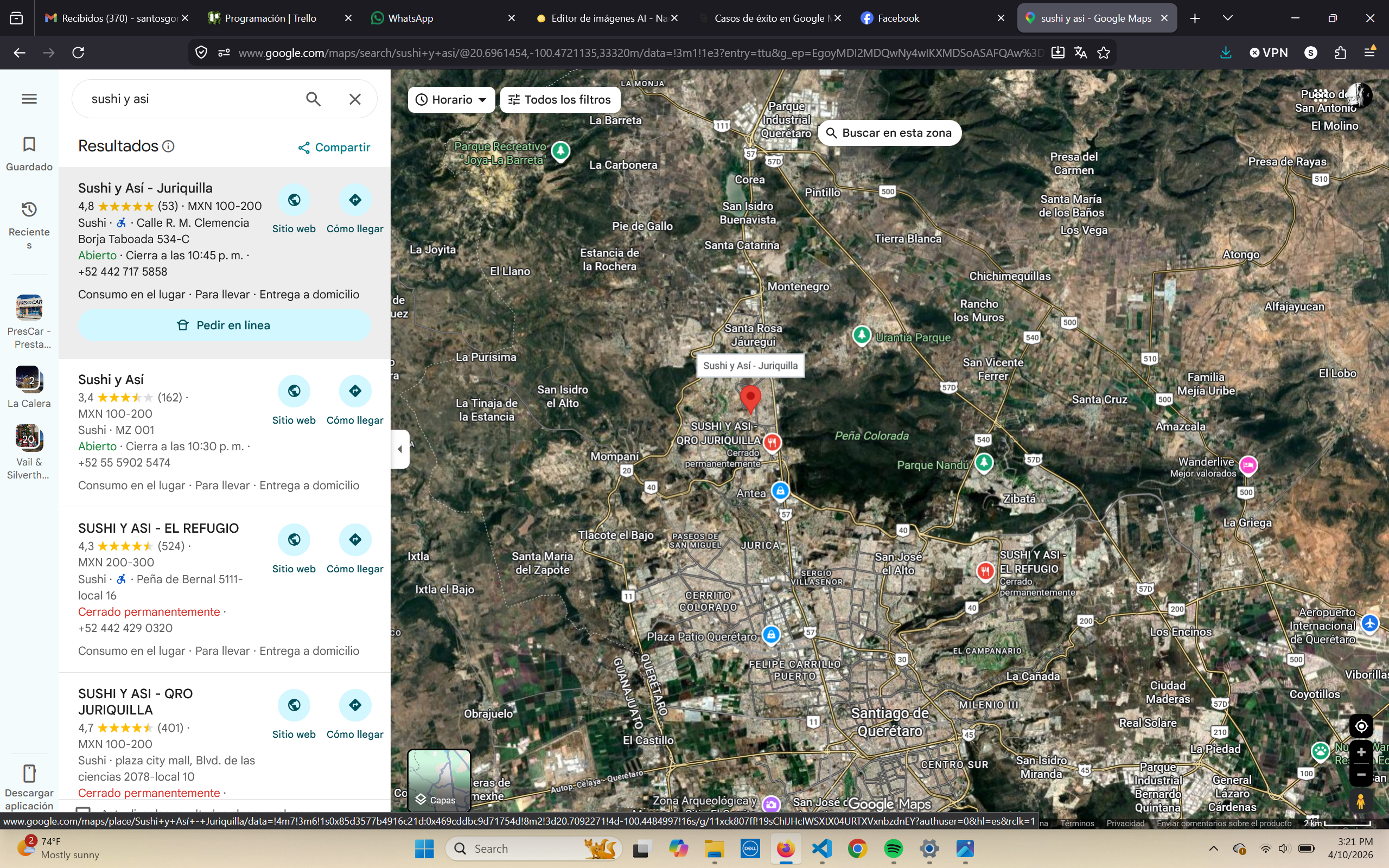
Sushi y Así (Mexico)
Challenge: intense local competition and need for stronger Google Maps activity.
- Implementation: continuous review generation, internal surveys, location-level monitoring.
- Result: greater reputation stability, stronger profile dynamics, professionalized management.
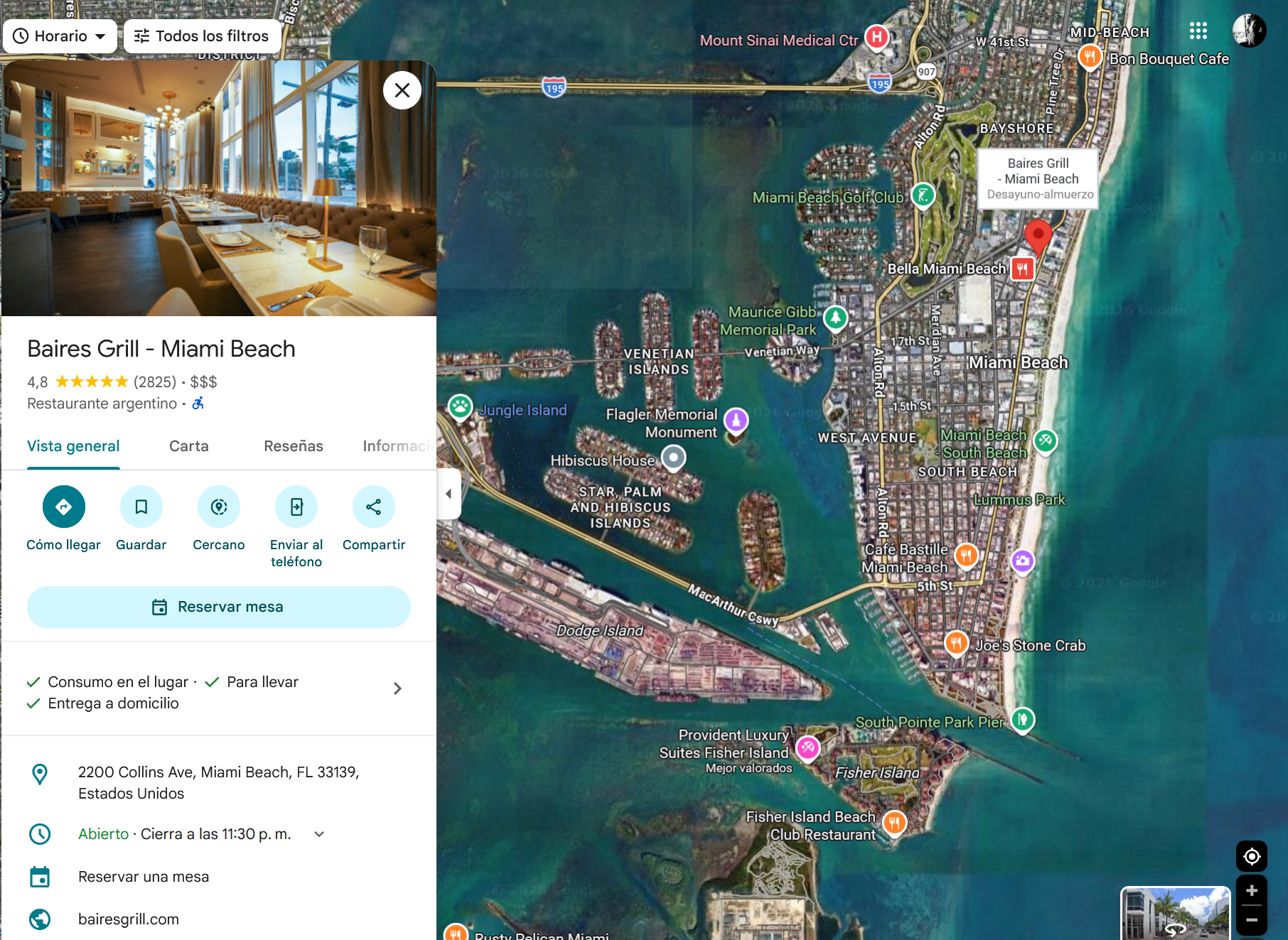
Baires Grill (United States)
Challenge: standardize reputation across multiple cities.
- Implementation: supervised automated responses, negative-review alerts, single multi-location panel.
- Result: consistent reputation, centralized management, better local positioning control.
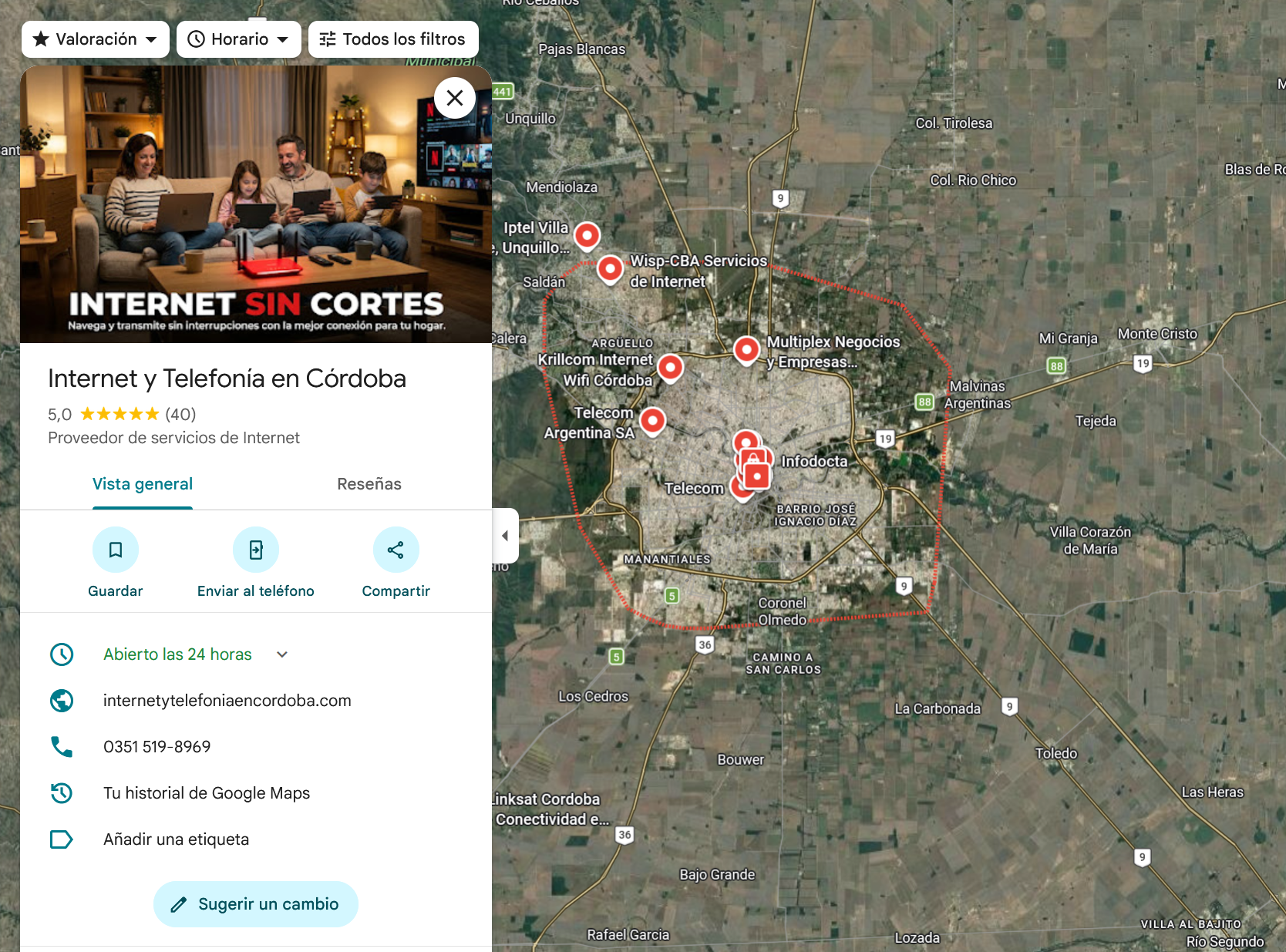
Internet y Telefonía (Argentina)
Challenge: rank the Google Business Profile of Internet y Telefonía in Córdoba in the #1 position for keywords such as "internet in Córdoba," "internet providers," and "internet company in Córdoba," among others.
- Implementation: custom survey setup for internet installation technicians.
- Implementation: usage manual for all field crews.
- Implementation: AI-powered automatic replies for all reviews.
- Result: two new reviews generated per day.
- Result: Google Business Profile positioned in first place.
- Result: number of inquiries doubled.
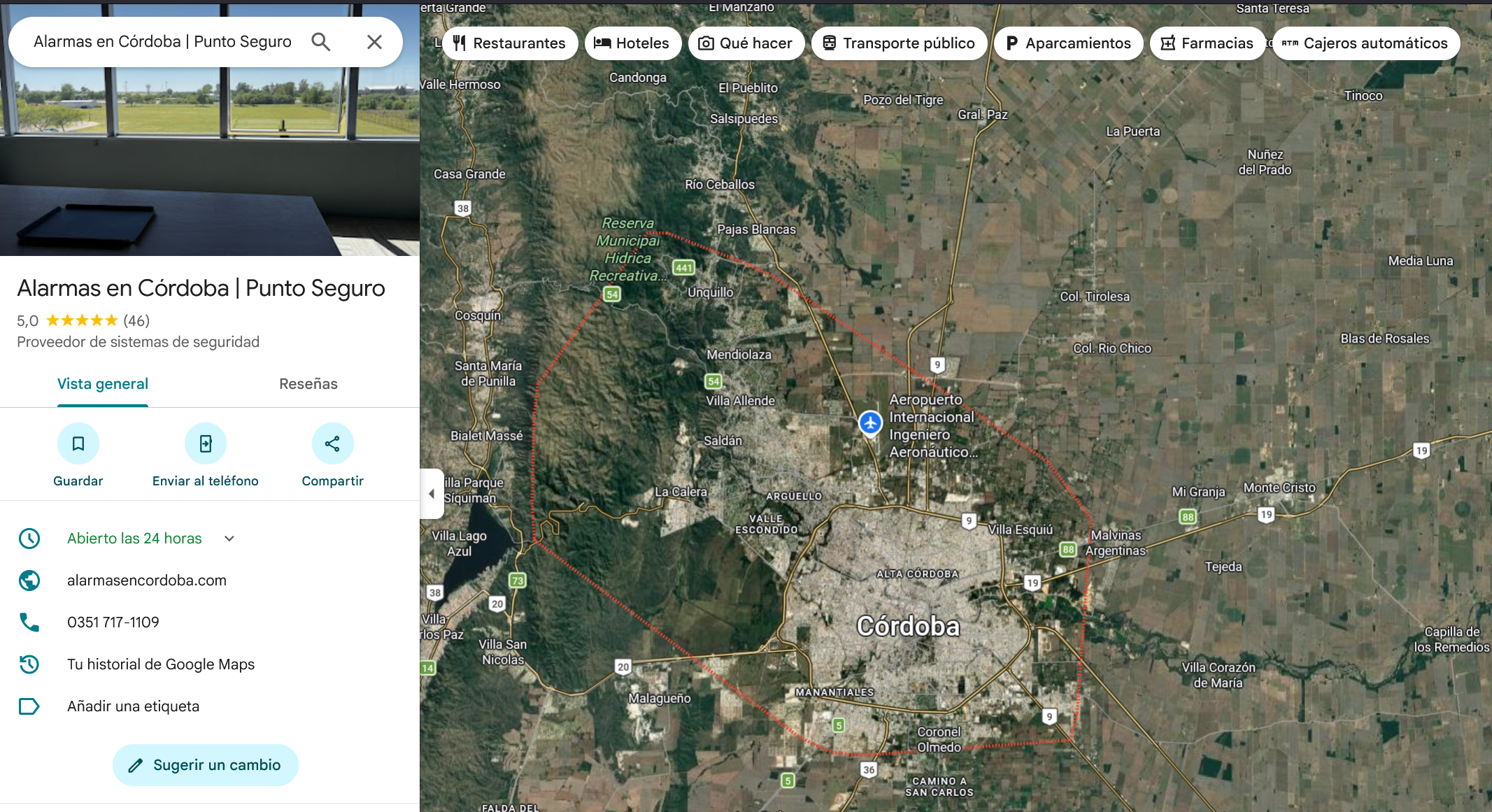
Alarmas en Córdoba (Argentina)
Challenge: rank the Google Business Profile of Alarmas en Córdoba in the #1 position for keywords such as "alarmas en Córdoba," "alarm systems," and related queries.
- Implementation: custom survey setup for alarm installation technicians.
- Implementation: usage manual for all field crews.
- Implementation: AI-powered automatic replies for all reviews.
- Result: two new reviews generated per day.
- Result: Google Business Profile positioned in first place.
- Result: number of inquiries doubled.
What pattern repeats across all cases
Brands that improve Google Maps positioning share five principles:
- Continuous review flow.
- Active and fast management.
- Consistent responses.
- Centralized control.
- Comparative measurement by location.
- Google Maps SEO for chains is not one-time optimization. It is a continuous system.
Explore the Google Maps hub
Go deeper with these practical guides for local visibility and rankings.
The system that scales across locations
A repeatable framework for review flow, monitoring, and response quality.
How to rank on Google Maps
Practical guide to improve local visibility with profile optimization and review flow.
Google Maps ranking factors
Understand how relevance, proximity, and prominence affect local visibility.
Apply this model to your chain
Request a demo and we will assess your operation location by location.
Request demoSuggested FAQ
Are these results only for large chains?
No. The model applies to any multi-location brand with local-search demand.
What improves with centralized control?
Consistency improves, response times drop, and teams can compare performance by location.
Can Google Maps become a real acquisition channel?
Yes. With sustained profile activity, visibility and visit/contact probability both increase.
Can this be implemented without disrupting operations?
Yes. The system should integrate into each location workflow, not create additional friction.