Online reputation strategy for chains and multi-location businesses
Introduction
When a company has multiple locations, online reputation is no longer just a marketing topic.
It becomes an operating system that directly impacts customer acquisition from Google.
Each location has:
Location-level reality
- its own Google Maps profile
- its own average star rating
- its own reviews
- its own local search visibility
- Without a centralized strategy, brand reputation becomes inconsistent.

The reputation challenge in multi-location businesses
Chains and franchises usually face problems such as:
- reputation differences across locations
- lack of centralized monitoring
- inconsistent review responses
- late detection of negative comments
- absence of comparable metrics across stores
- This creates a scenario where some locations have strong reputation while others become invisible or harm brand perception.
Why reputation impacts Google acquisition
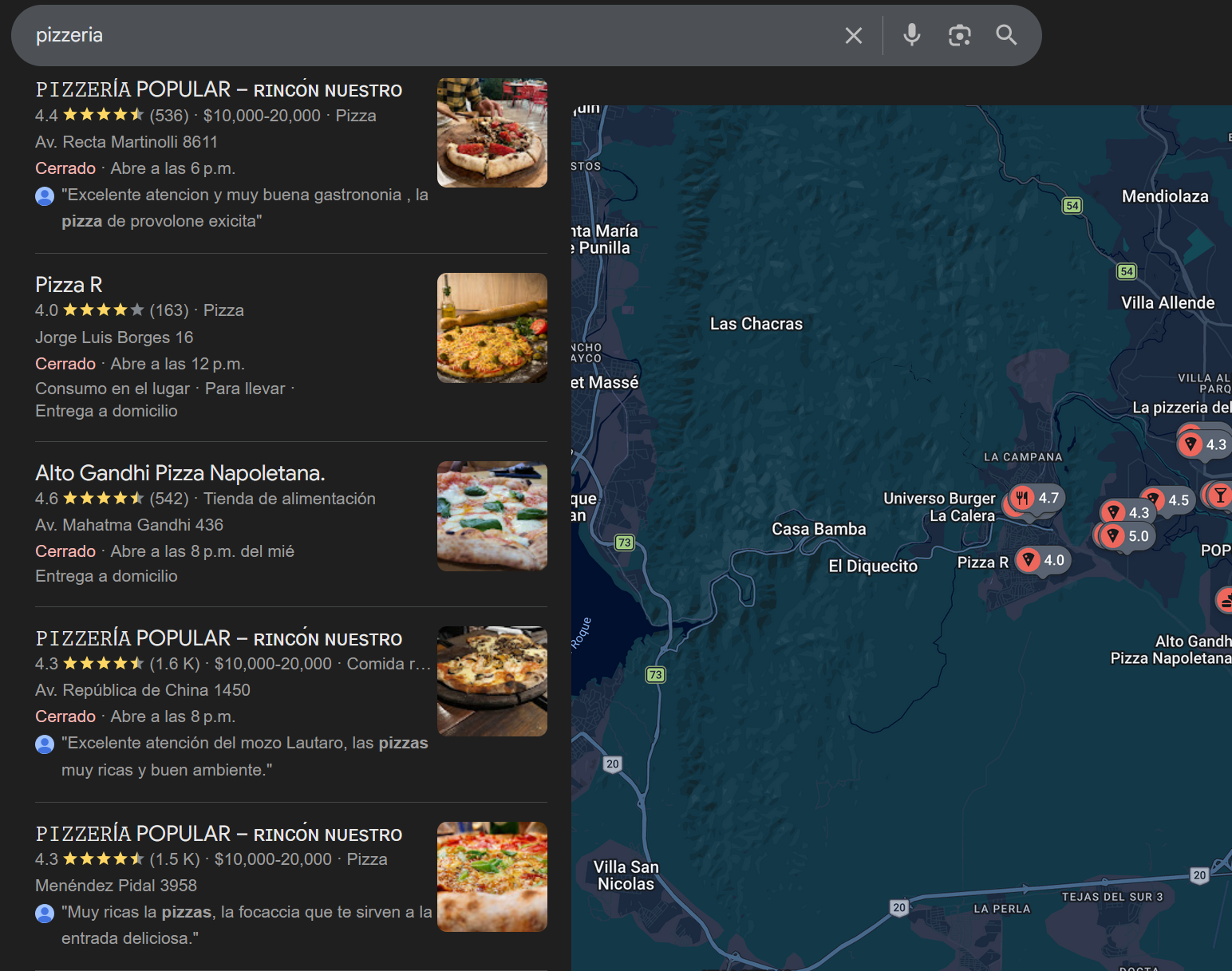
When a user searches for a business in Google Maps, they usually compare:

- average star rating
- review volume
- recent profile activity
- how the company responds
- In multi-location brands, each profile competes independently in its own area.
- That is why a reputation strategy not only improves brand perception, but also helps capture more customers from local searches.
The 5 pillars of a multi-location reputation strategy
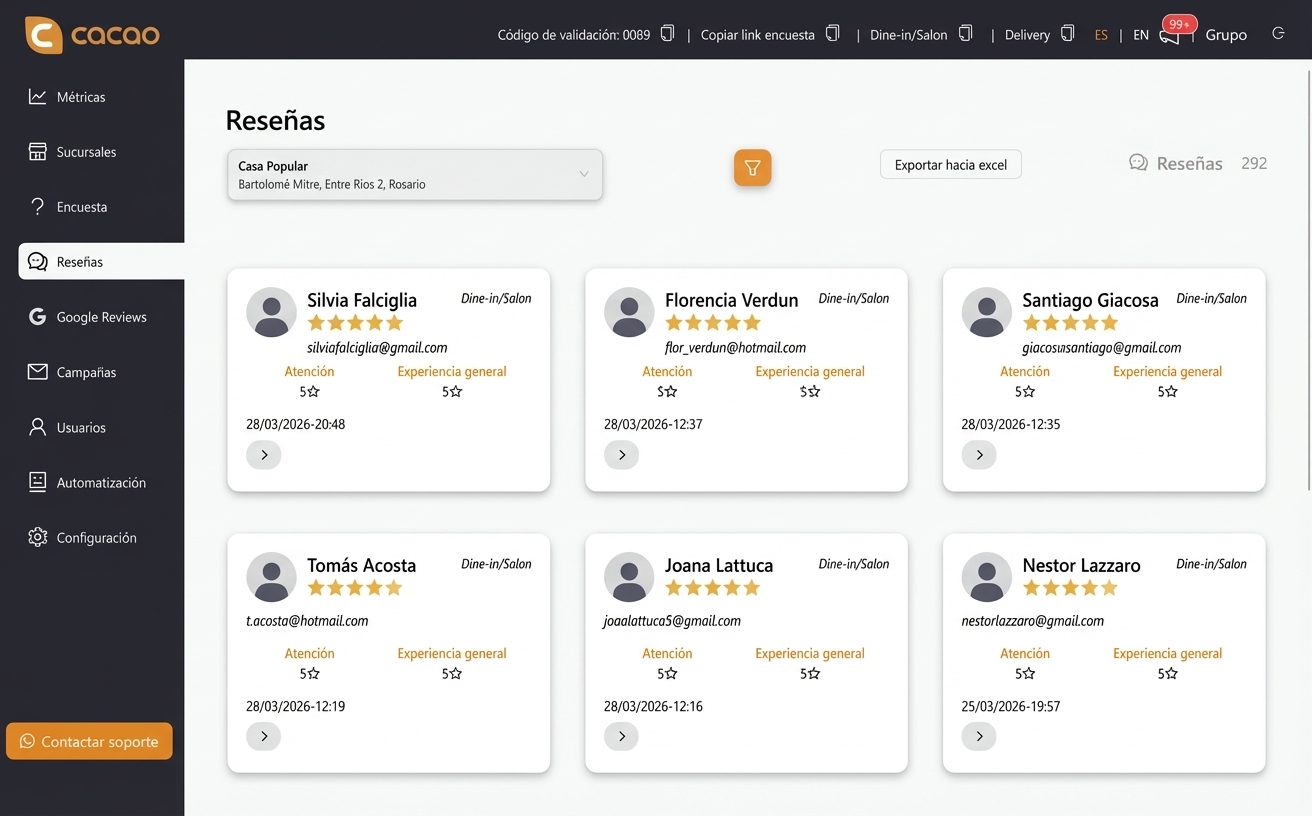
- 1. Centralized review monitoring: all reviews from all locations should be visible in one place. This helps detect issues quickly and understand what is happening at each store.
- 2. Alerts for negative reviews: negative reviews must be detected in real time. Fast responses can reduce impact and demonstrate customer commitment.
- 3. Response standards: chains need to define brand tone, response times, and response structure. This avoids inconsistent replies across locations.
- 4. Consistent review generation: companies that rely on occasional campaigns usually get irregular results. A stronger strategy is to maintain a continuous flow of new reviews per location.
- 5. Comparative metrics across locations: a mature strategy allows analysis of which locations receive more reviews, which ones have better ratings, and where negative comments appear most often. This helps identify operational improvement opportunities.
How to implement a multi-location reputation strategy
Applying these principles requires a system that can:

- centralize reviews from all locations
- monitor comments in real time
- reply from one dashboard
- analyze performance by location
- In large chains, this system usually combines specialized software and clear operating processes.
Real cases of reputation management in chains
This strategy is already implemented by companies with multiple locations across countries.
- Pizzería Popular (Argentina): 120 locations · +40,000 reviews generated
- PresCar (Mexico): Financial services
- Sushi y Así (Mexico): Restaurant
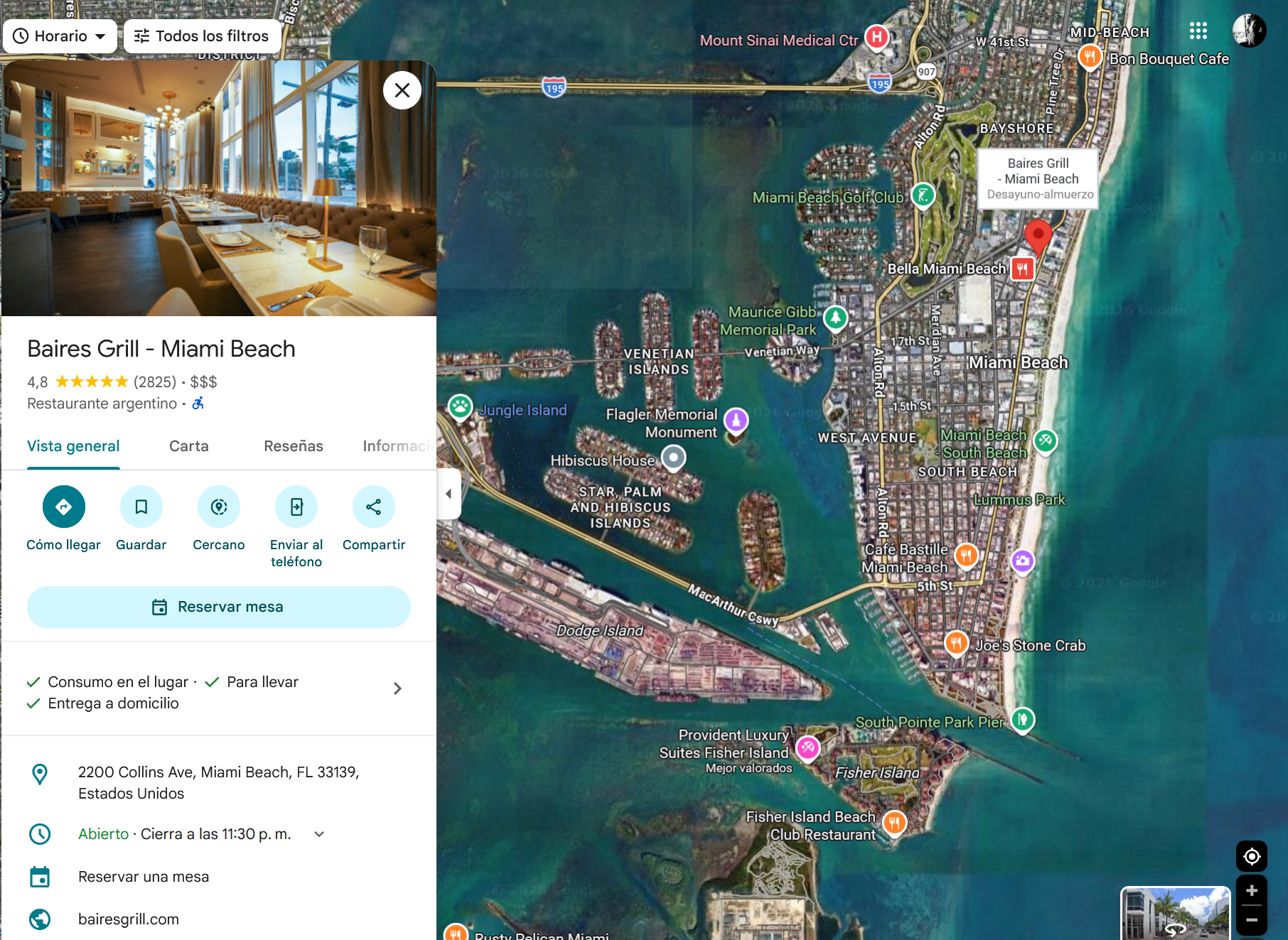
- Baires Grill (United States): Restaurant chain
Professionalize online reputation across all your locations
Request a demo and we will assess how to improve your brand reputation on Google.
Request demoFAQs
Why is a reputation strategy important for chains?
Because each location has its own Google reputation and competes independently in local search.
How can reputation be monitored across multiple locations?
By using tools that centralize reviews and allow performance analysis by location.
Do reviews impact customer decision-making?
Yes. Users usually compare ratings and comments before choosing a business.
How many reviews should each location have?
There is no single number, but consistency in review generation is usually more important than occasional spikes.