How to manage negative Google reviews and protect your brand reputation
Introduction
Negative Google reviews are inevitable for any business with customers.
Even companies with great service receive critical comments on Google Maps or Google Business Profile.
The problem is not receiving a negative review.
The problem is failing to detect it on time or answering incorrectly.
Poor management can affect:
Impact of poor management
- brand perception
- customer trust
- purchase decisions from other users
- That is why multi-location companies need a system to handle these situations quickly and consistently.

What negative Google reviews are
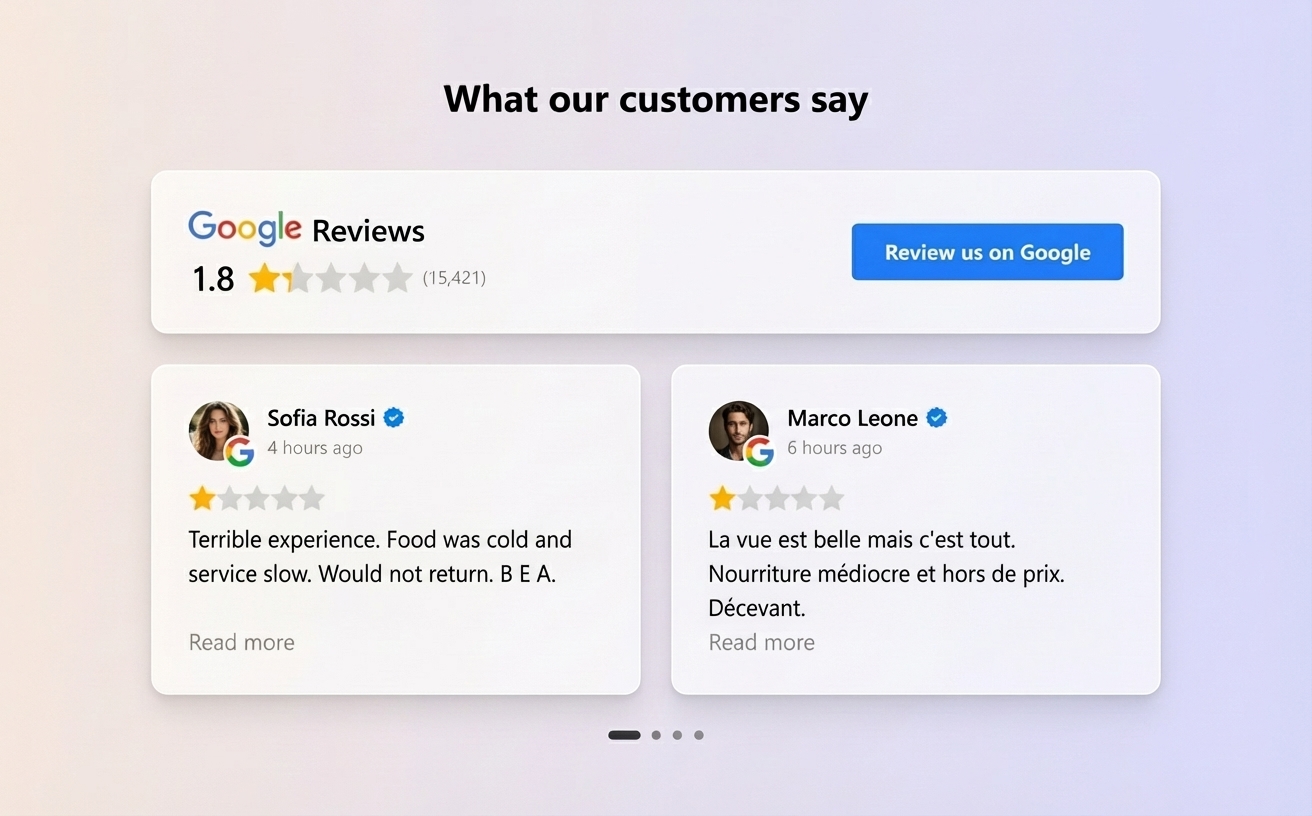
A negative review is a user comment published on Google with a low score (usually between 1 and 3 stars).
These reviews can mention:
- poor service
- product issues
- service delays
- operational mistakes
- unsatisfactory experiences
- On Google Maps, these comments stay visible to anyone searching for the business.
Why negative reviews impact decisions
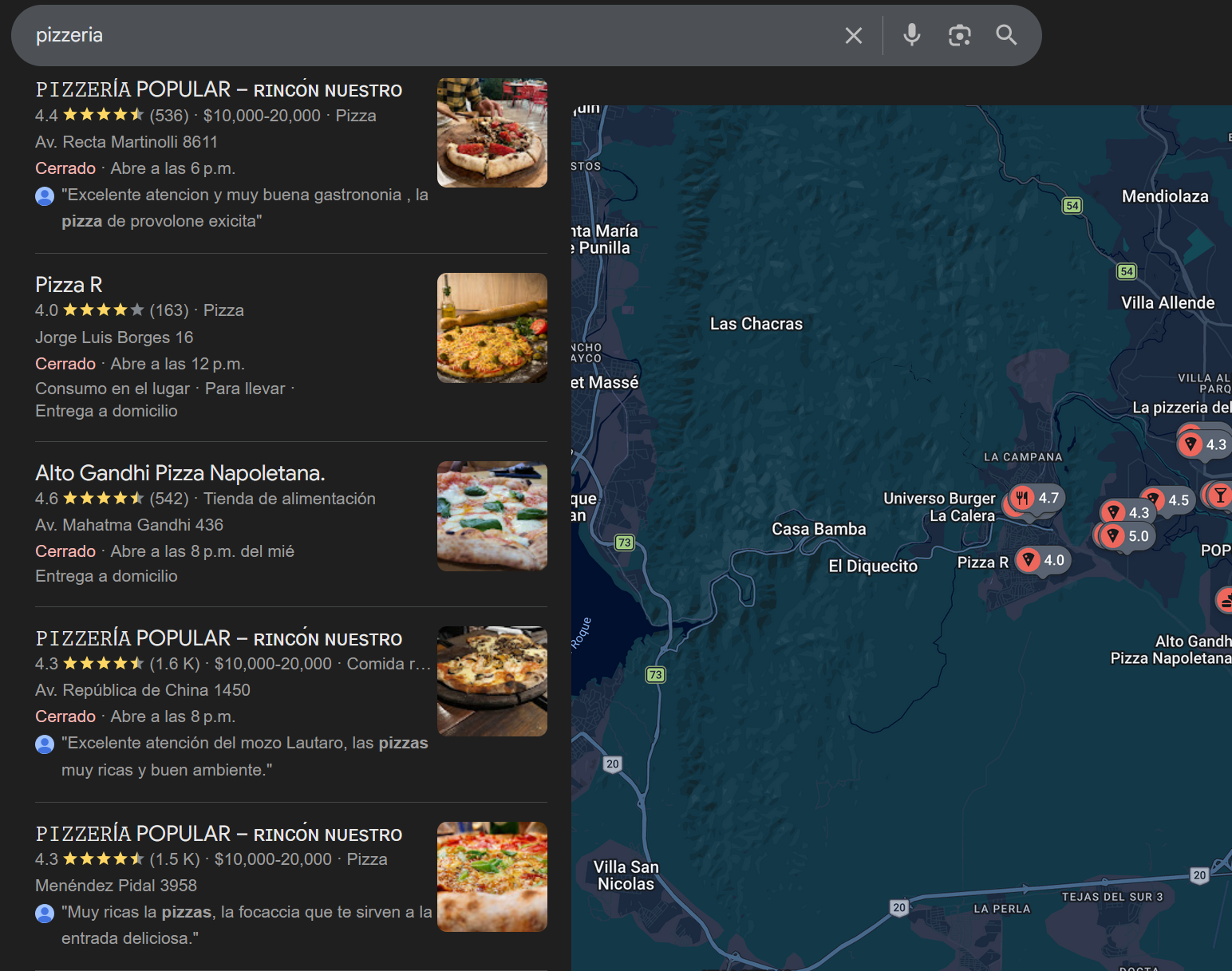
When users compare options on Google Maps, they usually check:

- average star rating
- recent reviews
- how the company responds
- In fact, many purchase decisions happen after reading negative comments.
- Users pay special attention to how a company reacts to problems.
Common mistakes when responding to negative reviews
Many businesses make mistakes that worsen the situation.
- Ignoring the review: Not replying signals lack of customer care.
- Responding defensively: Arguing publicly with the customer usually creates more distrust.
- Copying generic responses: Impersonal replies may look automated or insincere.
- Replying too late: A response weeks later loses impact.
How to respond correctly to a negative review
An effective response usually includes four elements.
- Acknowledge the customer experience: Show that the company takes the feedback seriously.
- Apologize when appropriate: Even when the full context is not yet clear.
- Explain that the case will be reviewed: This shows commitment to improvement.
- Offer to continue the conversation privately: This helps solve the issue without exposing more details publicly.
Example of a response to a negative review
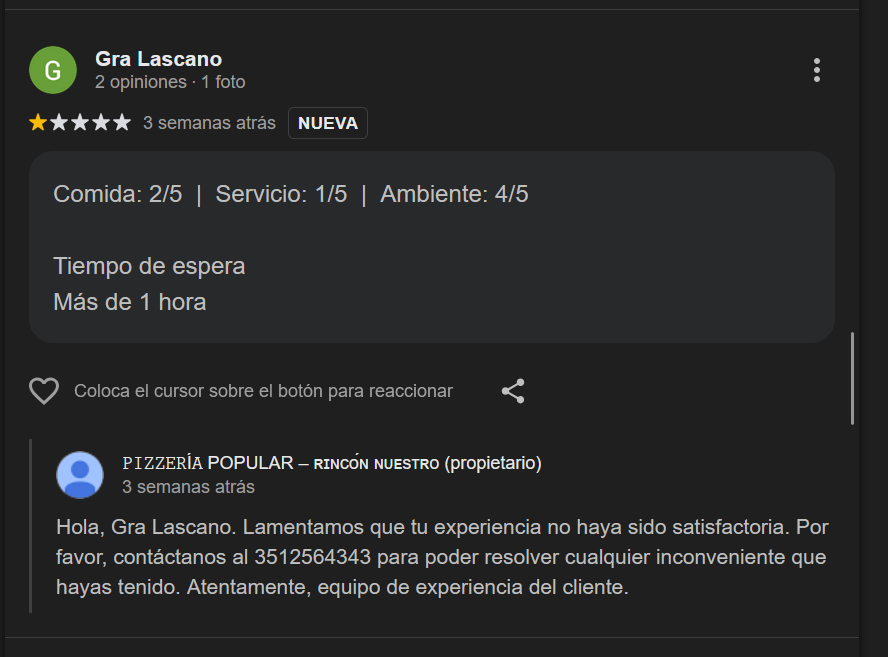
Example:
Hi, thank you for sharing your experience. We are sorry this happened and we want to better understand what occurred. Our team will review the case to improve service. If you want, you can contact us directly so we can help you.
This kind of response shows openness and accountability.
The challenge for businesses with multiple locations
When a brand has multiple locations, managing negative reviews becomes more complex.
The most common issues are:
- late detection of negative reviews
- inconsistent responses across locations
- lack of response standards
- lack of centralized monitoring
- Without a system, each location manages reputation differently.
How to detect negative reviews quickly
To manage reputation professionally, it is key to:
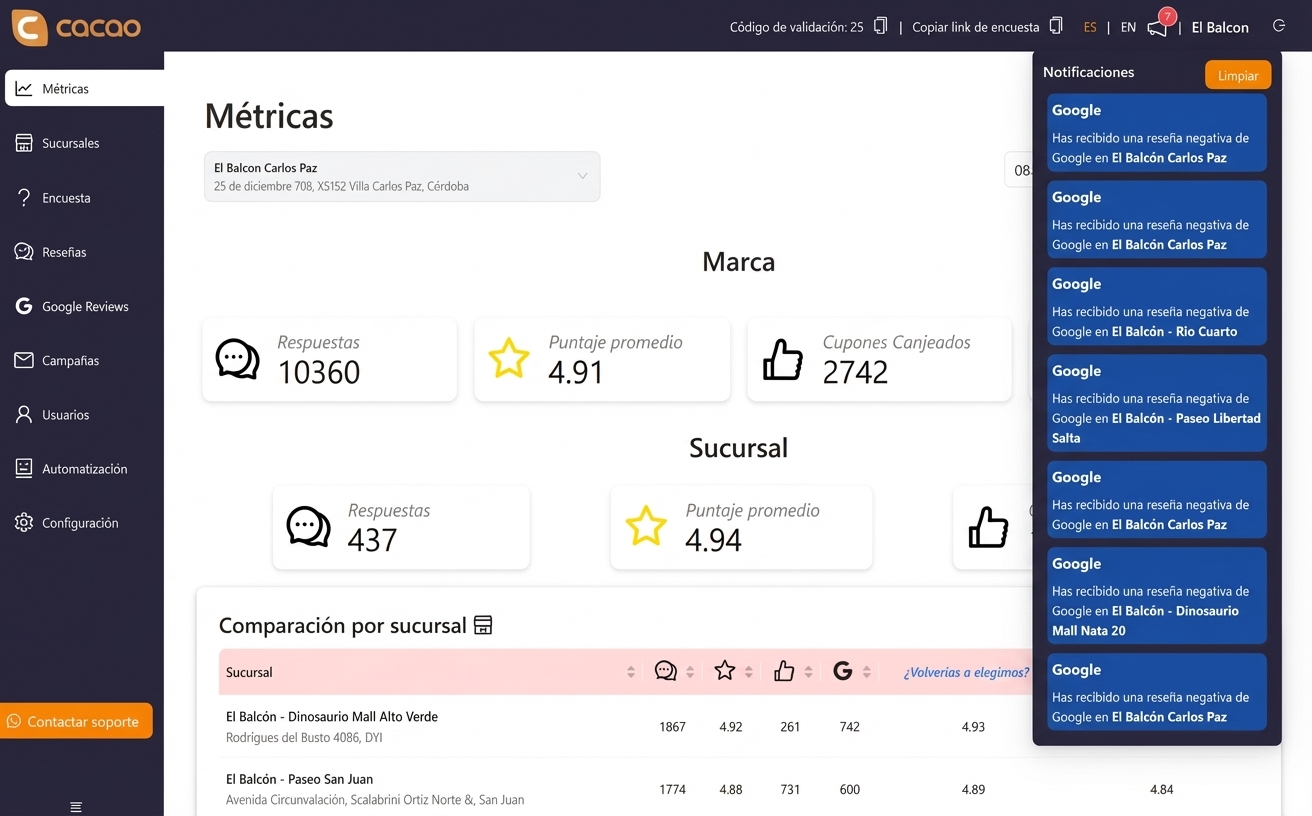
- monitor reviews in real time
- receive alerts when a low rating appears
- respond quickly
- analyze location-level patterns
- This turns an isolated problem into an improvement opportunity.
Professional management of negative reviews
Multi-location businesses often use tools that allow them to:

- centralize all Google reviews
- receive immediate alerts
- reply from one dashboard
- keep brand consistency across all locations
Real cases
This kind of reputation management is applied by businesses with multiple locations across countries.
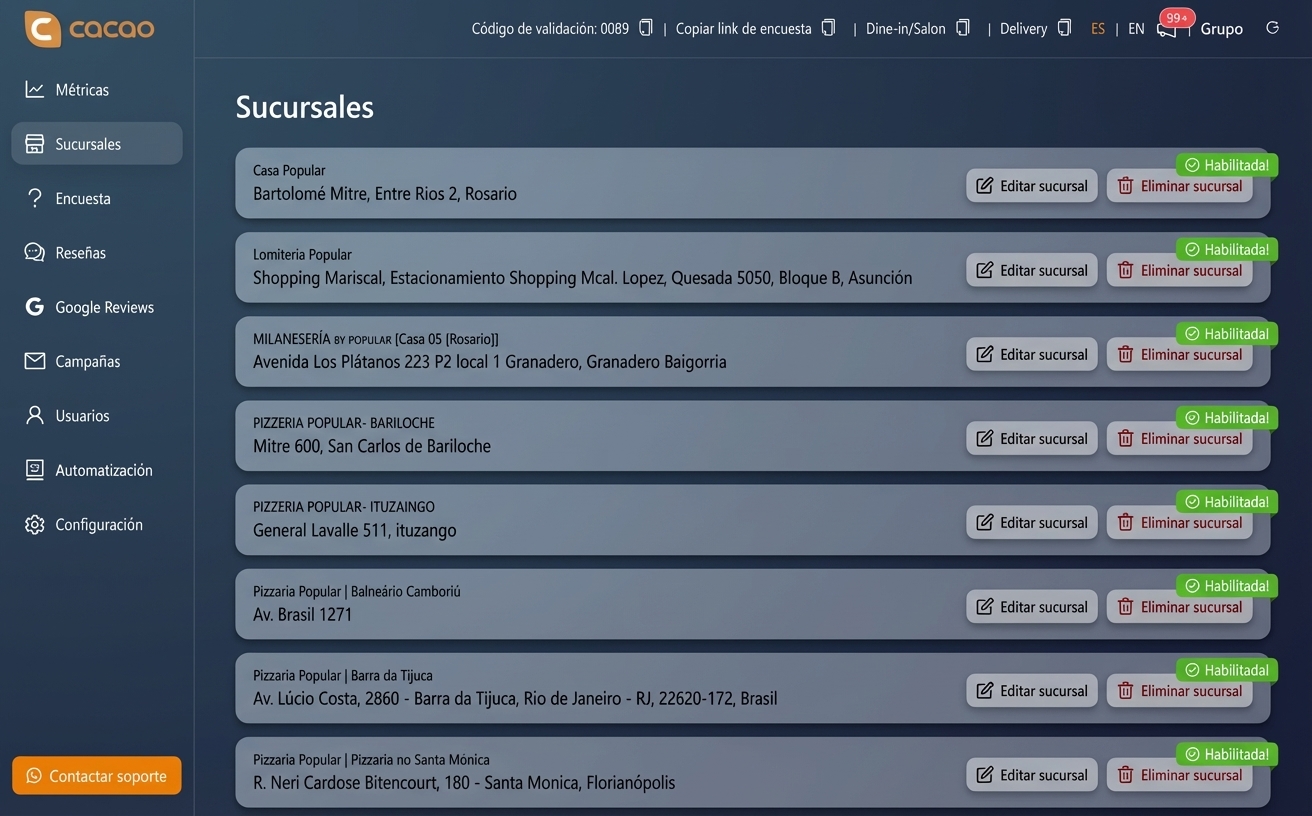
- Pizzería Popular (Argentina): 120 locations · +40,000 reviews generated
- PresCar (Mexico): Financial services
- Sushi y Así (Mexico): Restaurant
- Baires Grill (United States): Restaurant chain
Do you want to manage negative reviews across all your locations from one place?
Request a demo and we will assess how to improve your brand reputation on Google.
Request demoFAQs
Can negative Google reviews be removed?
Google only removes reviews that violate its policies. In most cases, the best strategy is to respond properly.
Does responding to negative reviews improve reputation?
Yes. Users value when businesses respond and show intent to improve.
How fast should a response be?
Ideally within the first 24 to 48 hours.
Can all reviews be managed from one dashboard?
Yes. There are tools that centralize reputation management across multiple locations.