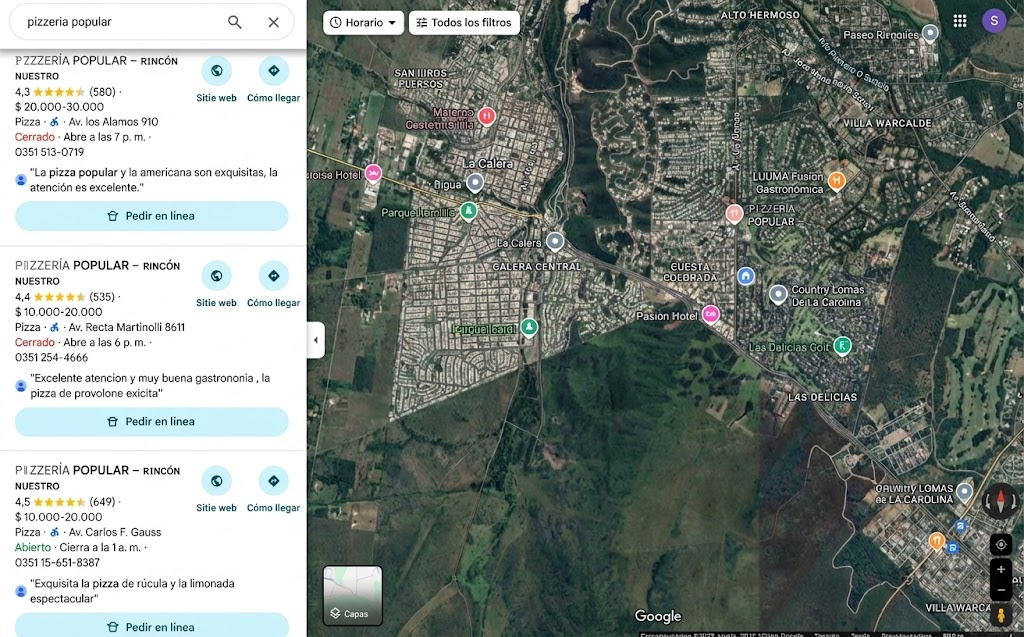
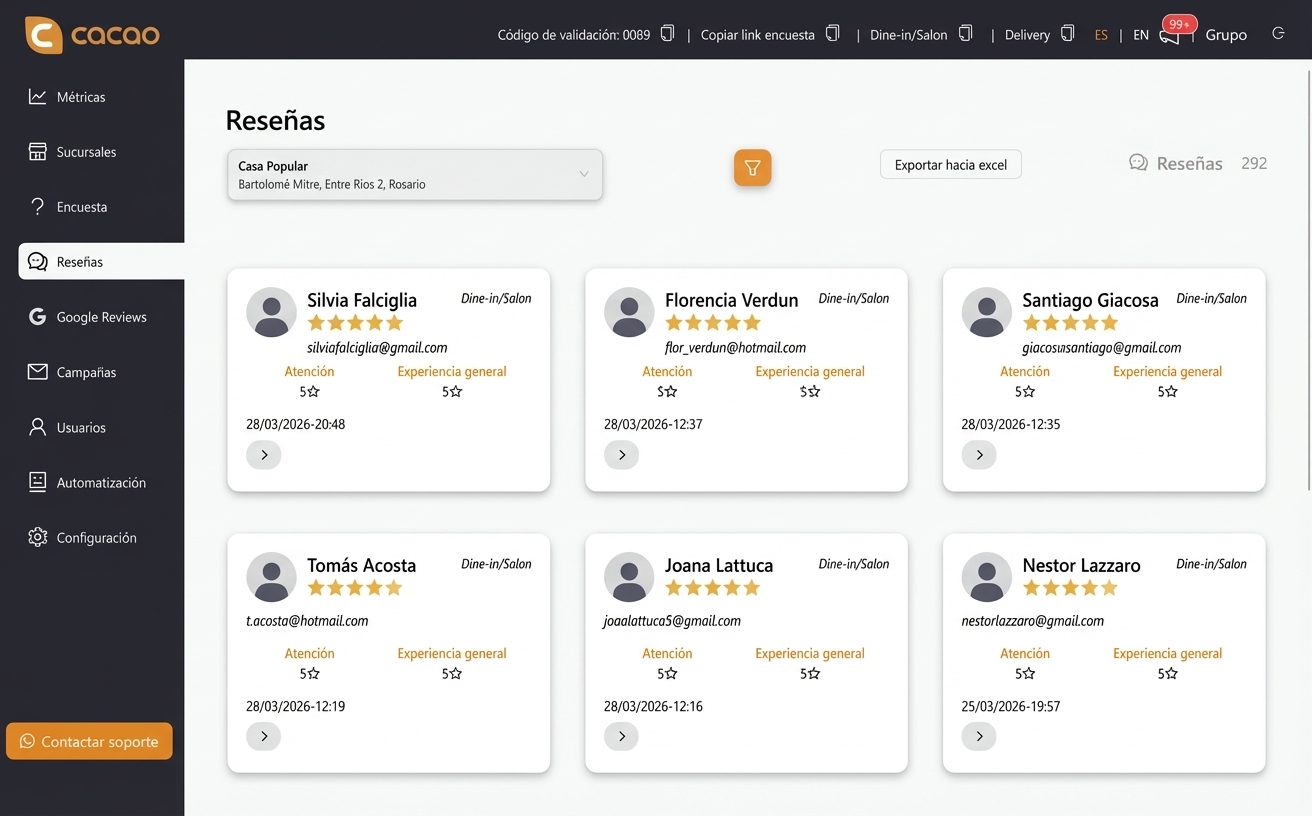
What actually works: 5 levers to get Google reviews
H3 — 1) Ask for reviews at the right time
The best moment is usually when the customer is satisfied and the experience is fresh (checkout, post-delivery, post-service).
Practical rule: ask for a review when the customer would naturally say “thank you.”
This becomes much more consistent when you turn it into process inside a multi-location reputation strategy.
H3 — 2) Make it easy (one action, zero friction)
If the customer has to do this to leave a review:
- search for the profile,
- choose the location,
- navigate...
- you will lose most of them.
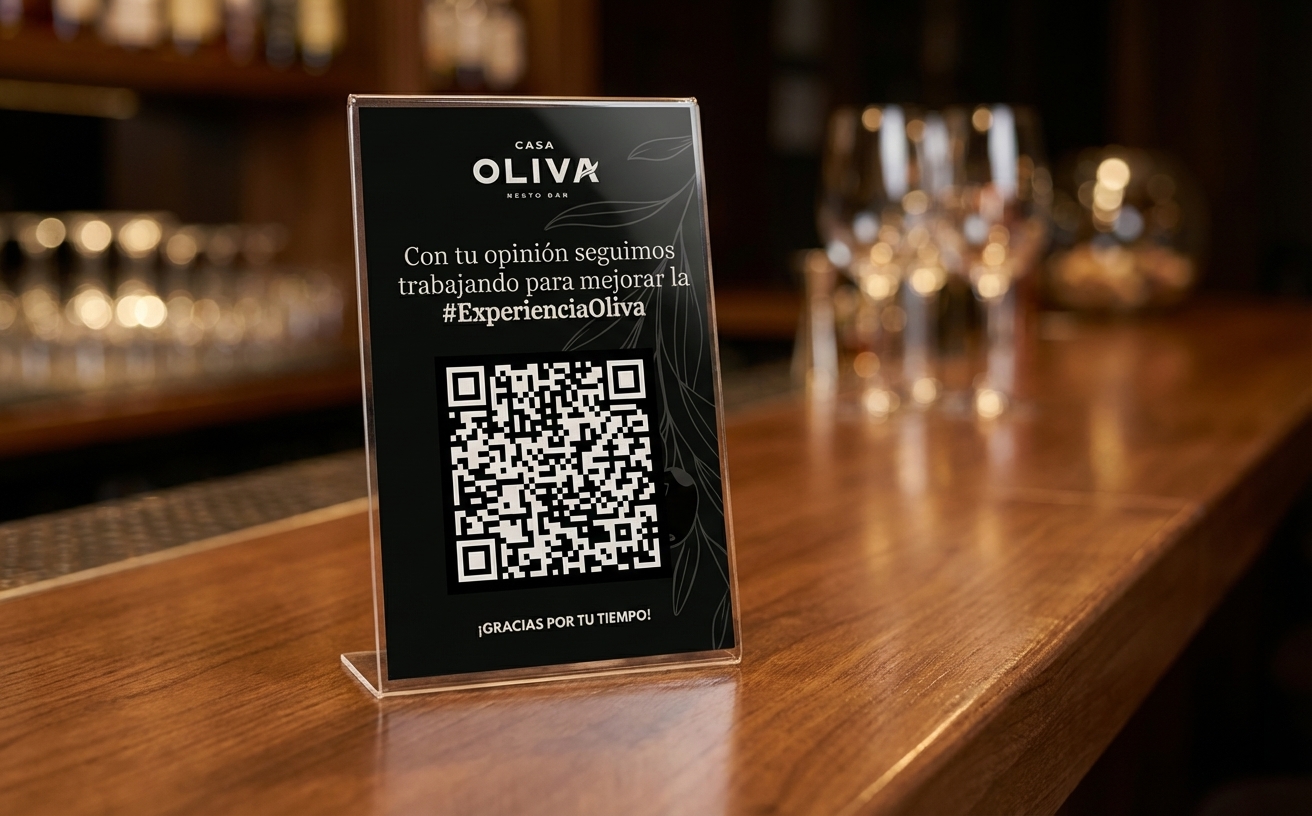
- The right way is to take them directly to the review point, by channel and by location.
- You connect this with a generation flow as part of Google Maps review management.
- H3 — 3) Be consistent by location (not by brand)
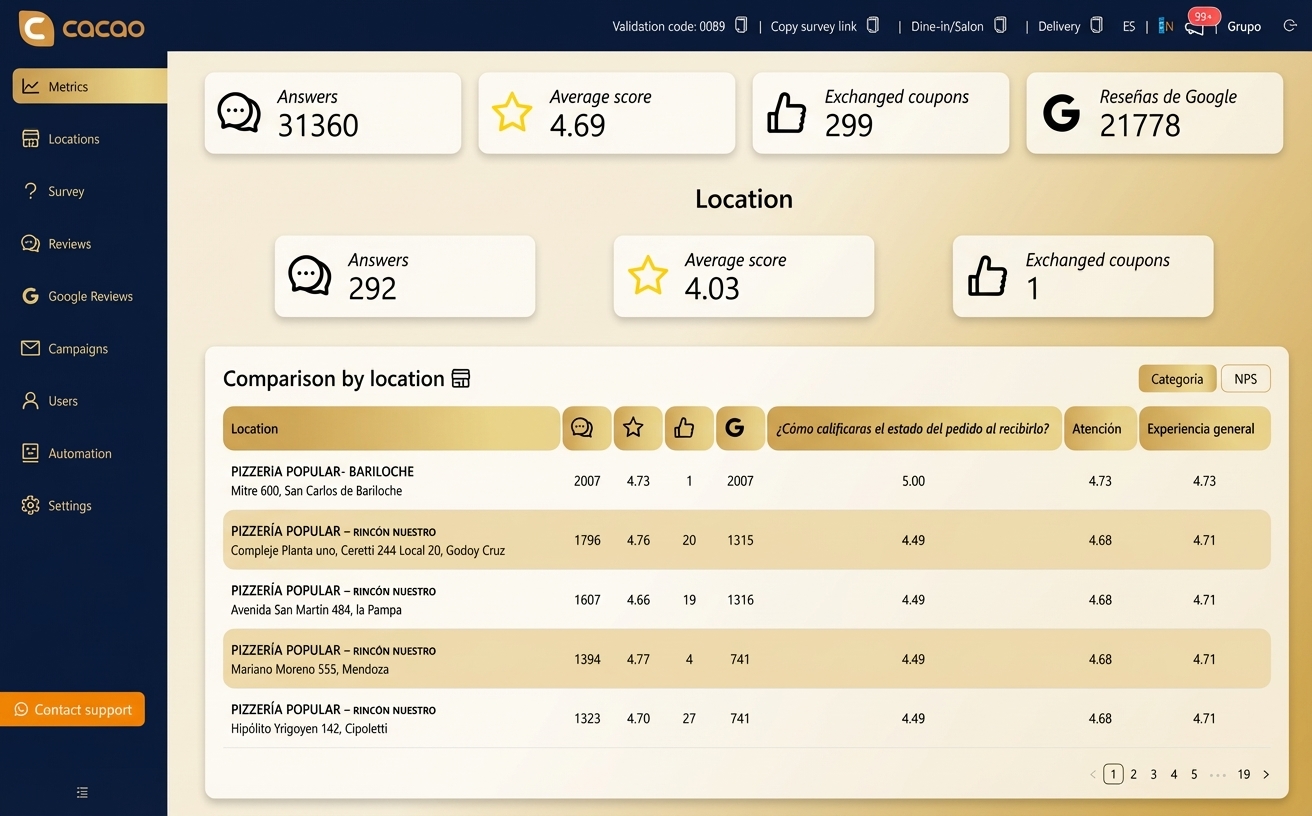
- In chains, the big problem is that some locations generate reviews and others do not.
- This breaks:
- global reputation
- brand consistency
- local performance
- That is why your objective should be “reviews per location,” not “total reviews.”
- This is measured and managed from a single review dashboard (if that piece is already published) and operationalized with a Google reputation software.
- H3 — 4) Prevent negative reviews
- A very effective way to protect reputation while generating reviews is to capture feedback first, solve the problem, and only then invite the customer to review.
- This is done with feedback/survey flows (for example, your survey module), and it is part of online reputation management.
- If you want to see the crisis angle, check negative Google reviews.
- H3 — 5) Respond to reviews (yes, even positive ones) to reinforce the cycle
- Responding to reviews plays an operational role: it demonstrates activity and reinforces trust.
- If you also need to standardize and scale responses by location, you have the guide on how to respond to Google reviews and the approach of Google reputation monitoring.