Google reputation monitoring: how to detect, control, and scale your positioning

You cannot improve what you cannot see. On Google, each new review can improve your positioning, damage your reputation, or help you win or lose a customer. The problem is that, in most businesses, those reviews are not monitored in real time. They are discovered late. Or they are not seen at all. That is where the loss of control begins. Google reputation monitoring is not just an operational task. It is a critical system for protecting and growing the business.

Google reputation monitoring

What Google reputation monitoring is

Google reputation monitoring is the process of:

It is not only about reading comments.

It is about having full visibility into the channel.

This is part of online reputation management.

  • detecting new reviews
  • analyzing their content
  • responding on time
  • identifying problems
  • maintaining control over all locations
Impact of not monitoring reviews in time

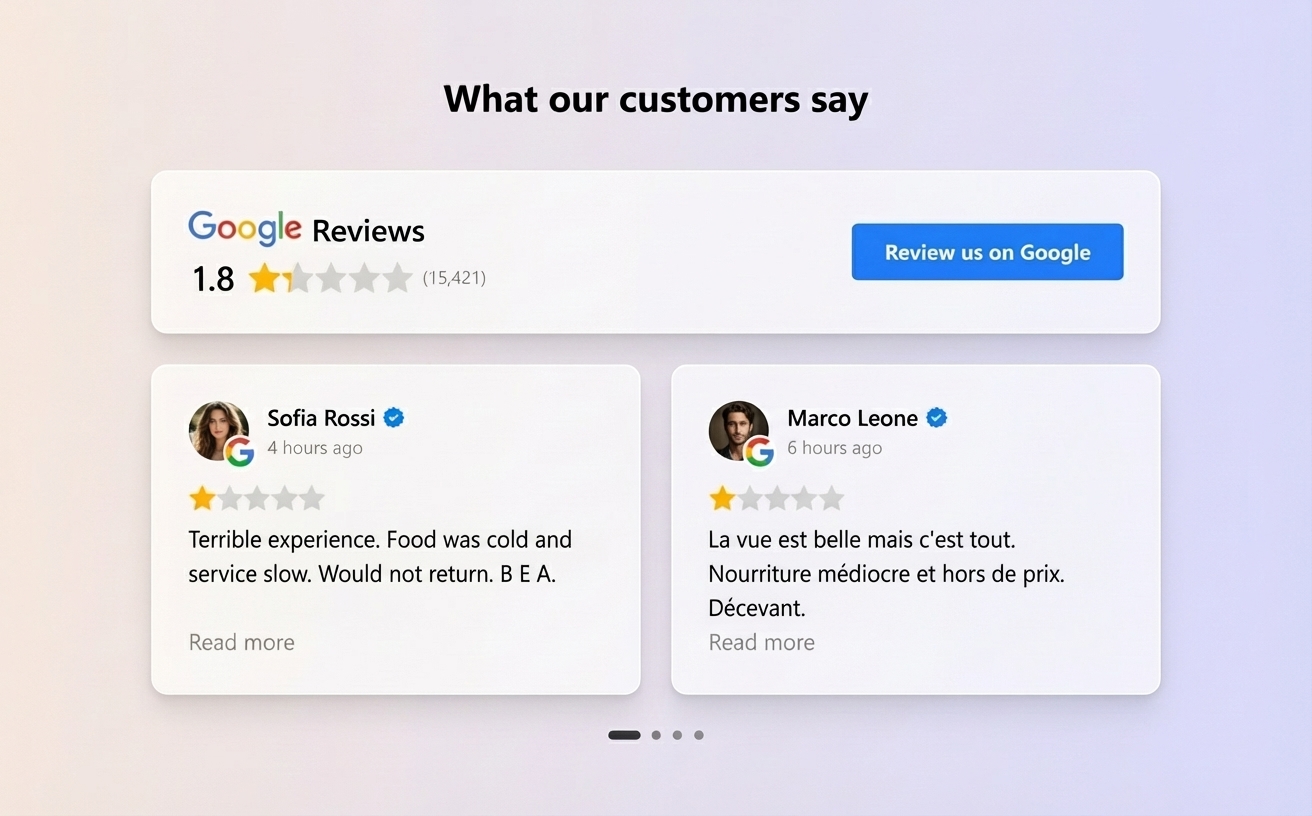
Why not monitoring reviews causes revenue loss

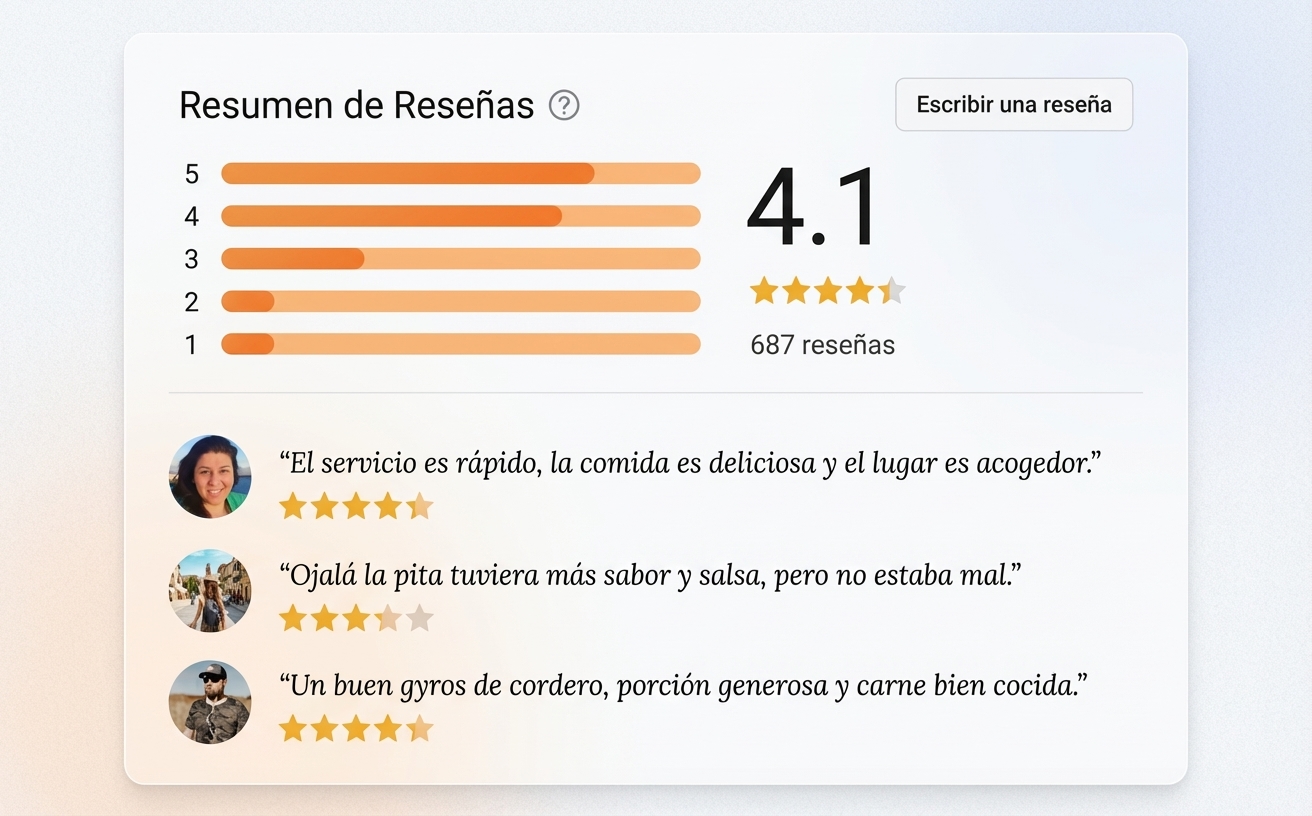
Each review that is not seen in time can generate:

In practice, this affects:

This is directly related to Google Maps ranking factors.

  • an unresolved bad experience
  • a late response
  • a public negative perception
  • user trust
  • purchase decision
  • positioning
Monitoring in businesses with multiple locations

The problem in businesses with multiple locations

When there are multiple locations, monitoring becomes more complex.

Common issues include:

This creates inconsistencies and directly affects the performance of each profile.

That is why monitoring is a central piece within a multi-location reputation strategy.

  • unanswered reviews
  • problems that scale out of control
  • lack of visibility by location
  • absence of metrics
Consequences of not having a monitoring system

What happens when you do not have a monitoring system

Without a system, monitoring is usually:

This creates:

And as a consequence:

  • manual
  • sporadic
  • incomplete
  • loss of information
  • late responses
  • lack of control
  • worse positioning
  • lower conversion
  • loss of customers
Google reputation monitoring system

How a real reputation monitoring system works

Effective monitoring is not checking Google from time to time.

It is a continuous system.

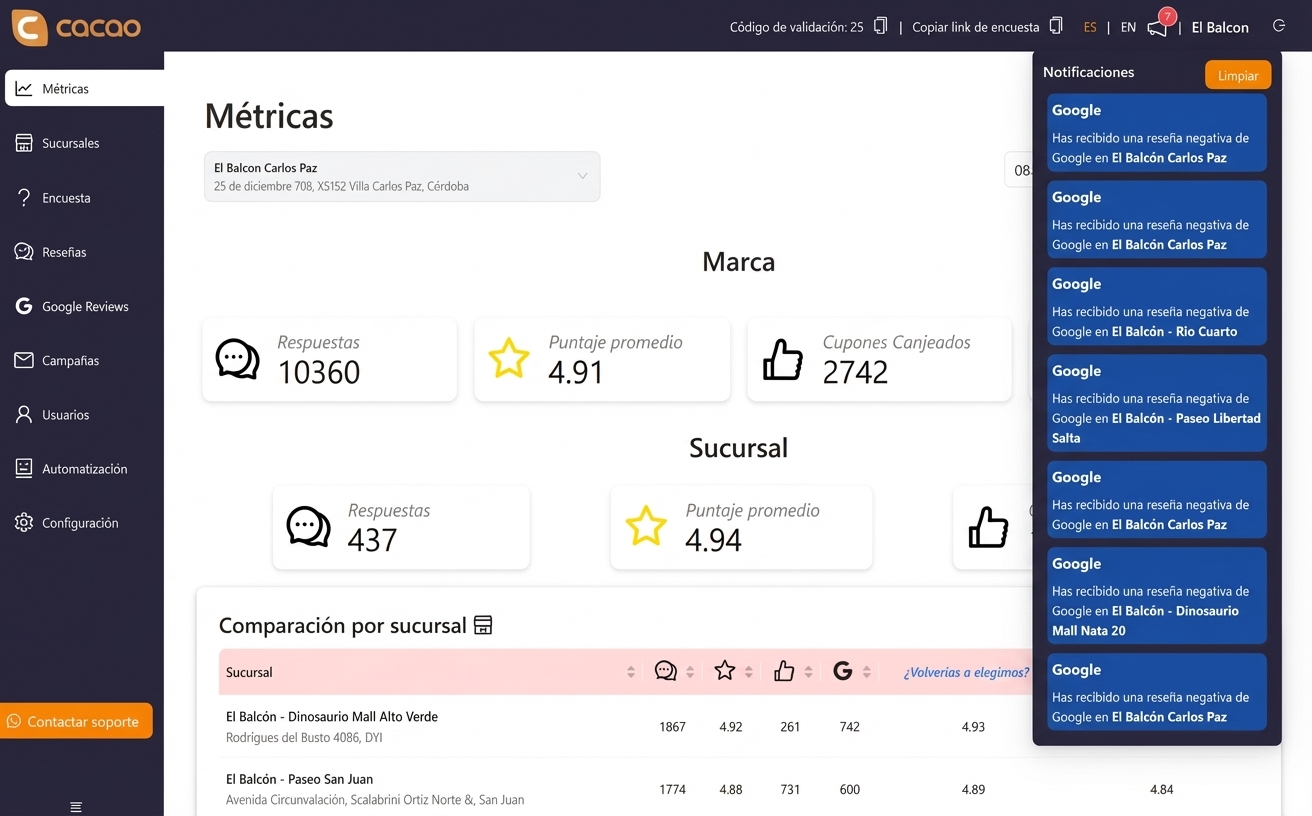
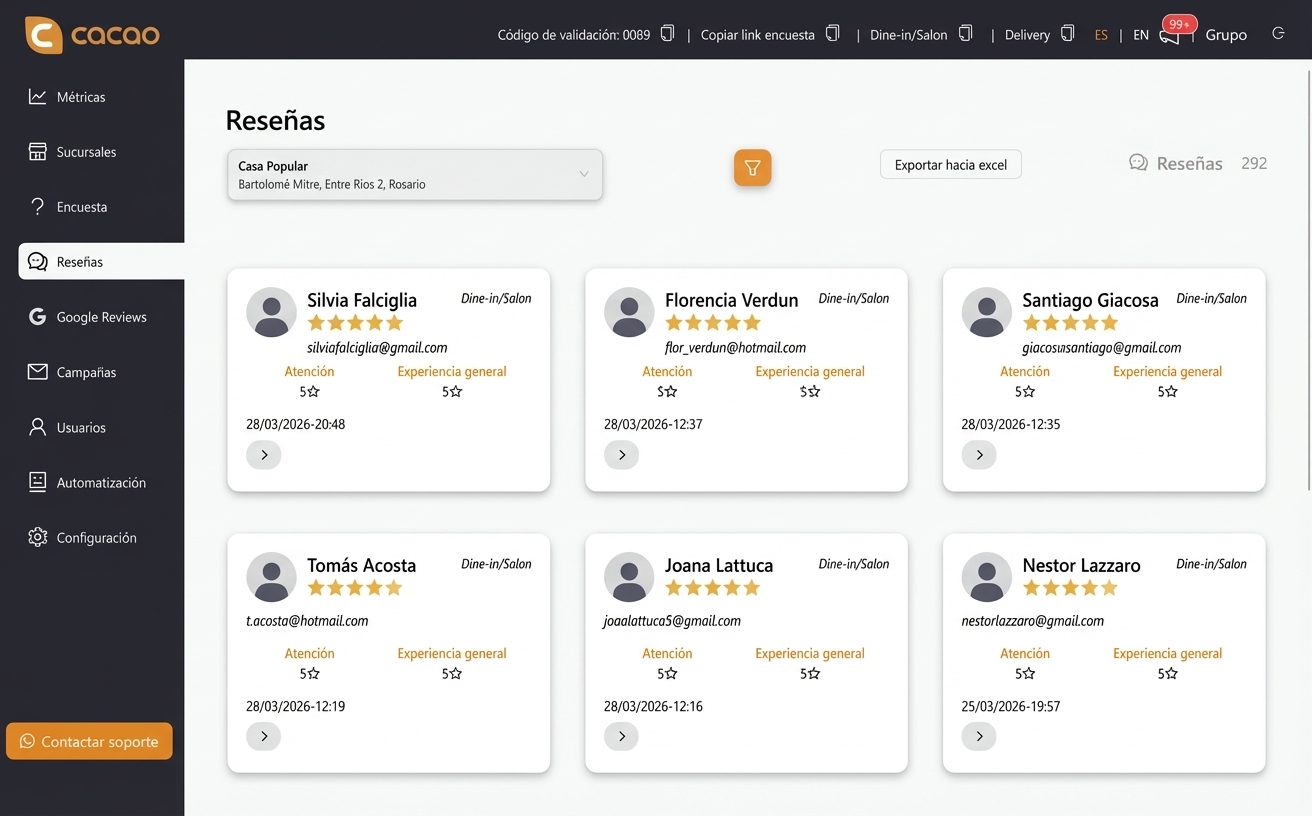
Automatic review detection

Each new review must be detected in real time.

This is achieved with negative review alerts.

Problem prioritization

Not all reviews have the same impact.

Negative ones require immediate action.

You can see how to manage them in negative Google reviews.

Information centralization

When there are multiple locations, centralizing everything is key.

This is achieved with a Google reviews dashboard.

Fast and consistent management

Replying quickly improves:

Smart automation

To scale, many companies use automated AI review responses.

This allows:

  • speed
  • consistency
  • efficiency
Real cases of Google reputation monitoring

Real cases: monitoring applied in practice

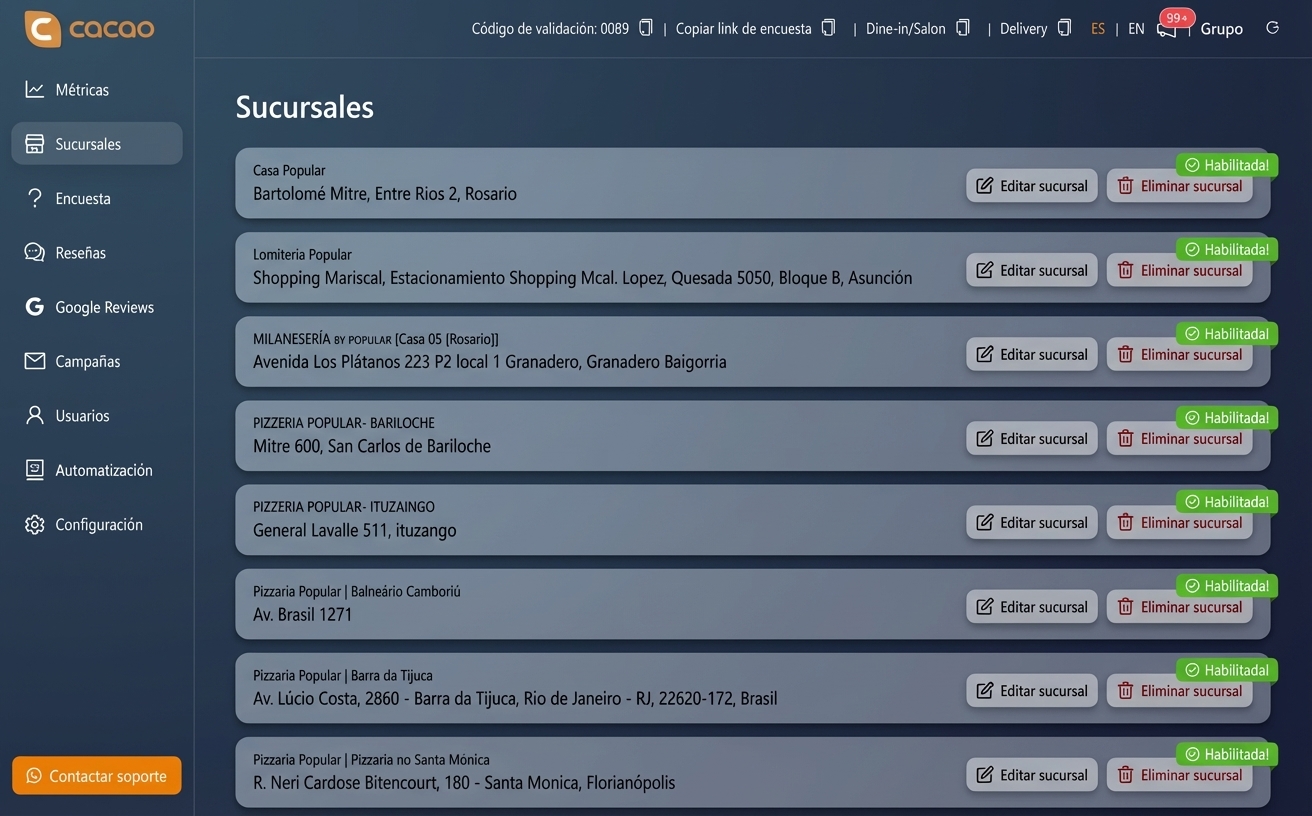
Pizzeria Popular in Argentina generated more than 40,000 reviews across 120 locations. The problem was lack of visibility and control. The solution was centralized monitoring, alerts, and a system. The result was total channel control and improved positioning.

PresCar in Mexico had disorganized replies. The combination of monitoring and automation enabled unified management and sustained improvement.

See more in Google Maps success stories.

Impact of monitoring on positioning

How monitoring impacts positioning

Monitoring allows you to:

  • reply quickly
  • maintain activity
  • avoid accumulation of negative reviews
  • All of this directly impacts Google Maps positioning.
Scaling reputation monitoring

From monitoring to scaling

Monitoring is the first step.

But the goal is to scale.

The companies that achieve it:

That is why many use a Google review management tool.

  • automate
  • centralize
  • systematize

Reputation monitoring is not optional.

It is what allows you to maintain control in a channel that directly impacts your business. The companies that understand this do not react. They operate with a system.

Request demo

Frequently asked questions

What does monitoring reputation on Google mean?

It means having real-time visibility into all the reviews your business receives so you can analyze them, respond to them, and make decisions.

How often should I check my reviews?

Ideally in real time. In practice, manual monitoring does not allow that, which is why automated systems are used.

What happens if I do not reply to a negative review on time?

It can cause loss of trust, impact other users, and damage positioning.

Can monitoring be done manually?

Yes, but it does not scale. As volume grows, control is lost.

How do you monitor multiple locations at the same time?

By centralizing information in a system that lets you see all locations in one place.

What tools are used to monitor reviews?

Tools that allow you to detect reviews automatically, send alerts, centralize information, and automate replies.

How does monitoring affect sales?

Directly. Better reputation control improves trust, positioning, and conversion.

What is the biggest mistake in reputation monitoring?

Thinking that checking reviews occasionally is enough.

How do you start monitoring correctly?

Identify all locations, analyze current reviews, implement alerts, define a reply process, and scale with a system.