Online reputation management: how to improve your ranking and attract more customers

Online reputation is not only what people say about your business. It defines whether a customer chooses you or not. More importantly, it defines whether your business appears on Google or stays invisible. Today, online reputation directly impacts your ranking, your visibility, and your ability to generate customers. That is why managing it is no longer optional. It has become a key system for growth.

What online reputation is

What online reputation is

Online reputation is the perception users have of your company on the internet.

It is built mainly through reviews, ratings, comments, and interaction.

But it is not only perception. It is also a direct ranking factor.

You can go deeper into what online reputation is.
Why online reputation impacts Google Maps

Why online reputation impacts Google Maps

Google does not show every business. It shows the ones it considers most trustworthy.

That trust is built with clear signals: review volume, frequency, interaction, and activity.

That is why online reputation is one of the pillars of Google Maps ranking.

How online reputation is built

How online reputation is built in practice

Reputation does not appear on its own. It is built through a system.

  • Review generation. Without reviews, there is no visibility. You can see how to do it in how to get Google reviews.
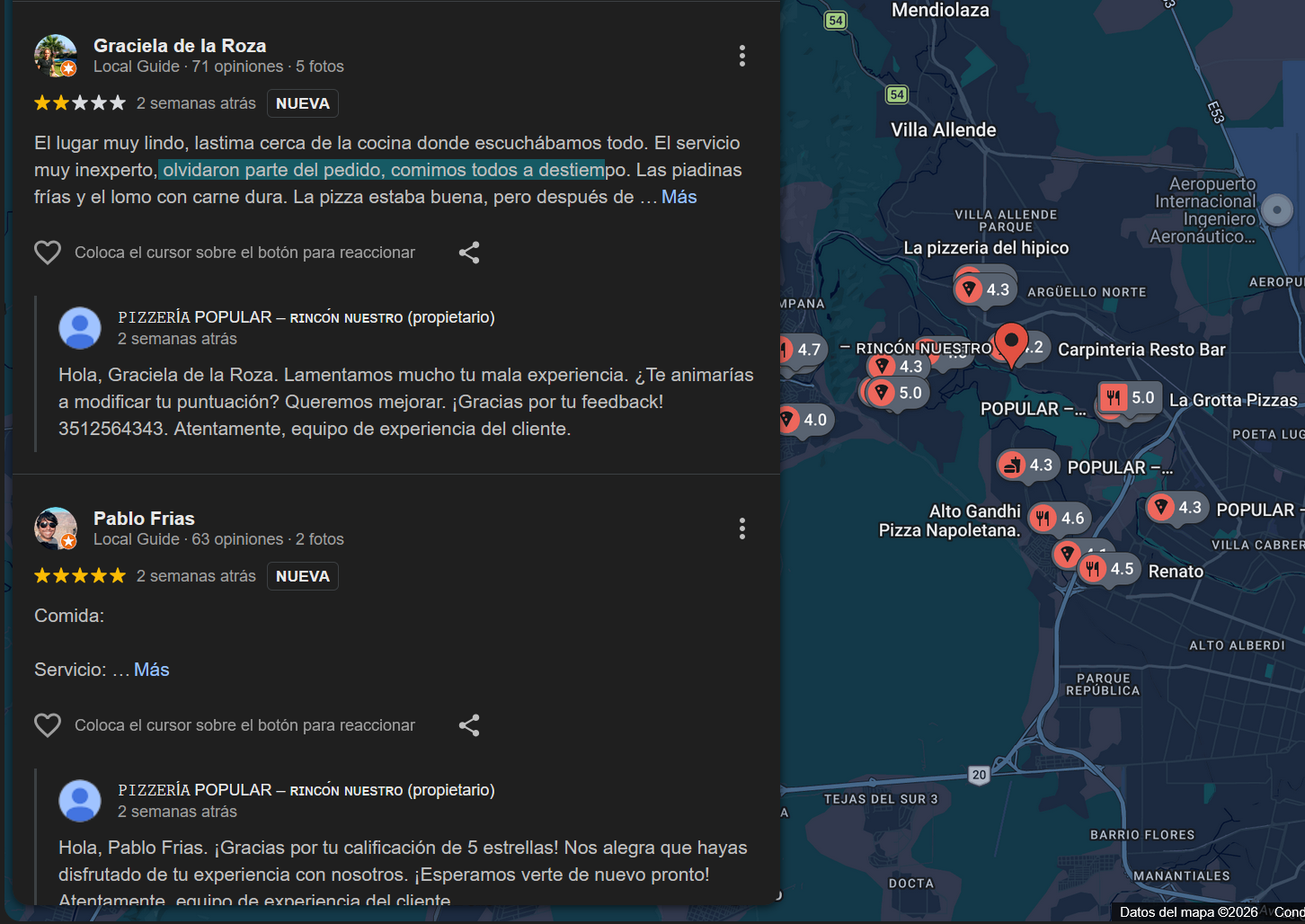
  • Active management. Responding, interacting, and improving. Good Google Maps review management directly impacts both perception and ranking.
  • Constant monitoring. If you do not know what people are saying, you cannot improve. This is handled through Google reputation monitoring.
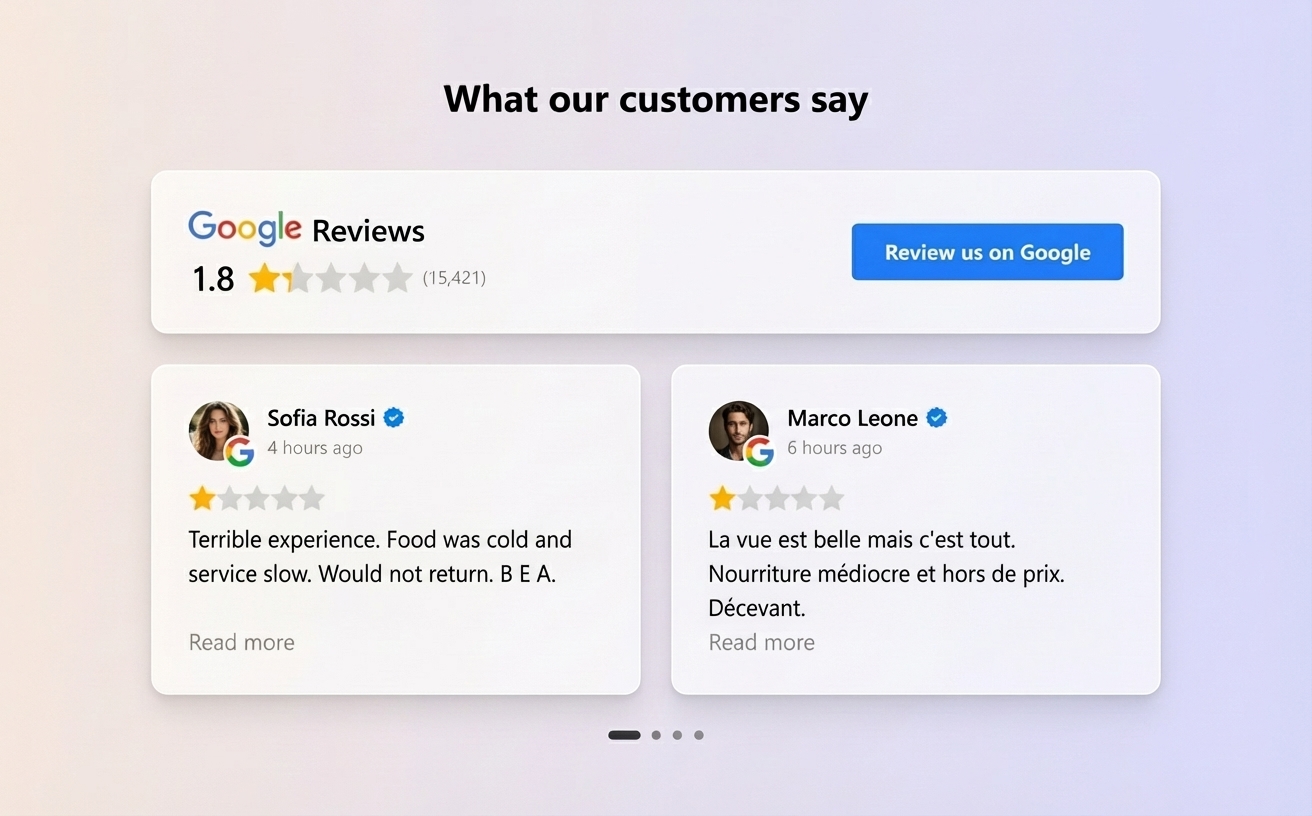
  • Negative review handling. Negative reviews are not the problem. The problem is failing to manage them. You can see how to do it in negative Google reviews.
Real online reputation cases

Real cases: same system, results in different countries

This approach is not theoretical.

It is already being applied by businesses with multiple locations and different markets, producing concrete ranking and customer-acquisition results.

Companies already implementing it:

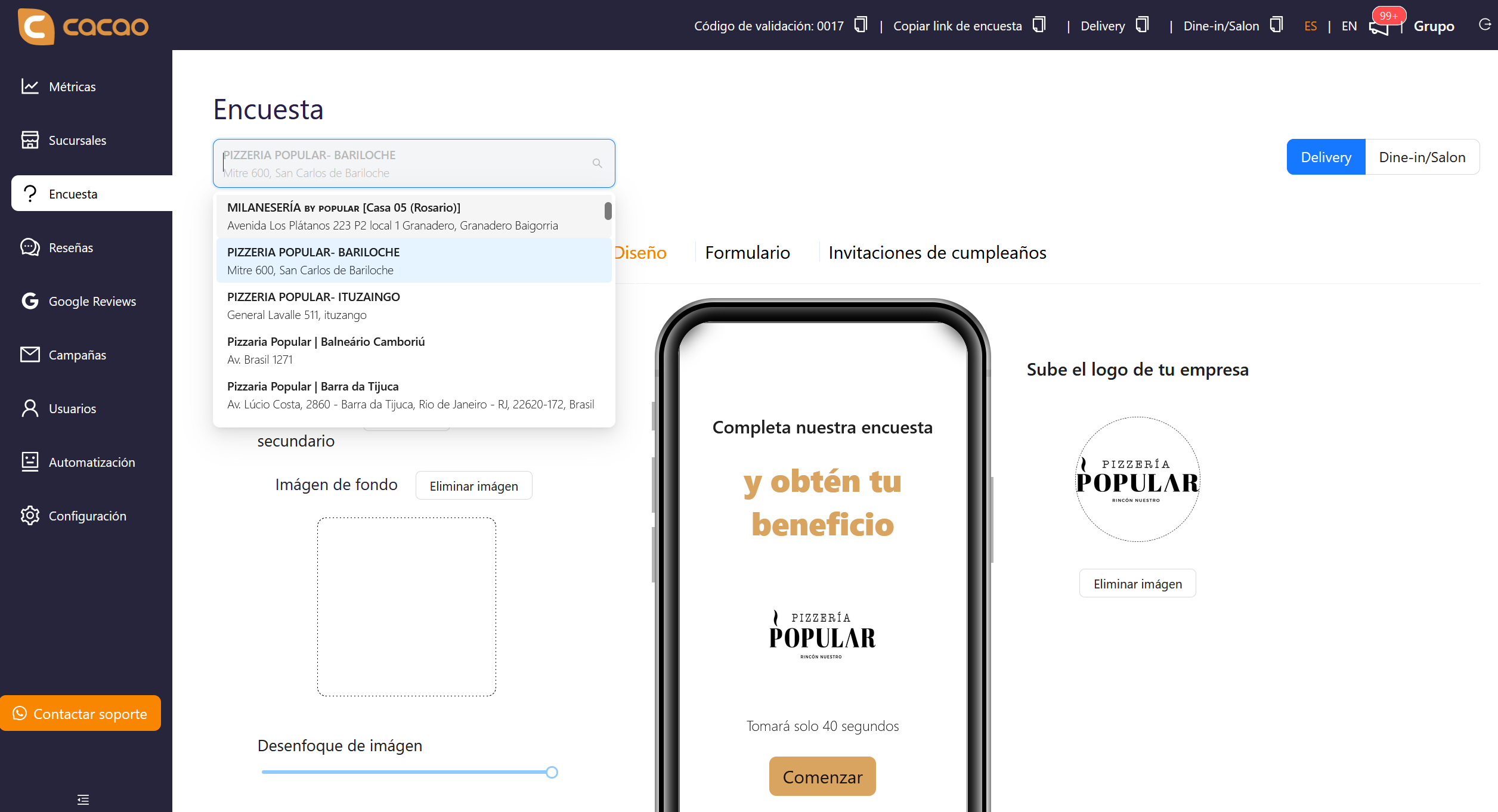
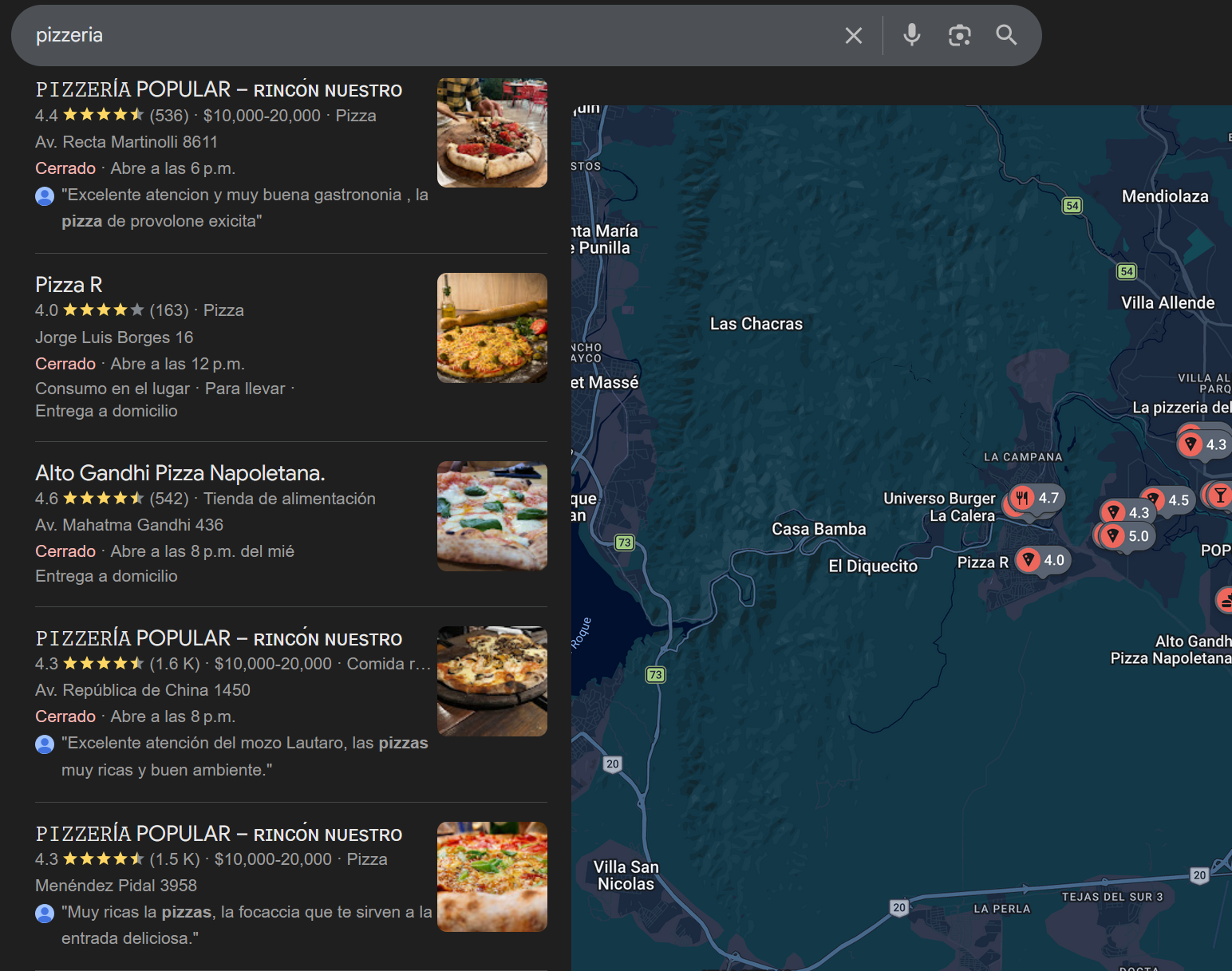
  • Pizzeria Popular- (Argentina): 120 locations · +40,000 reviews generated · active system across the full network |
  • PresCar- (Mexico): Centralized management · sustained visibility improvement |
  • Sushi y Asi- (Mexico): Higher Google Maps activity · reputation stability |
  • Baires Grill- (United States): Consistency across locations · ranking control |
  • What these cases have in common: steady review generation, active management, real-time monitoring, and system-based execution.
  • This is what makes it possible to improve Google Maps ranking.
Online reputation in multiple locations

Online reputation in multi-location businesses

When you have more than one location, the challenge changes completely.

Each location has its own reputation, competes independently, and impacts the global brand.

Without a system, this creates inconsistencies, ranking losses, and lack of control.

That is why you need a specific strategy.

Mistakes in online reputation management

Most common mistakes in online reputation management

Some mistakes slow growth and weaken the business impact of reputation.

  • Thinking it is passive. Reputation does not build itself.
  • Not responding to reviews. That reduces trust, activity, and ranking.
  • Not having a system. That creates inconsistency.
  • Not scaling. It may work at first, but it fails when the business grows.
Competitive advantage through online reputation

How to turn reputation into a competitive advantage

Online reputation can become your biggest asset. But only if you work on it as a system.

That means generating reviews consistently, managing them, monitoring them, and optimizing.

When all of that works together, the impact is direct on both ranking and sales.

Online reputation management tool

The most efficient way to manage reputation

The businesses that manage reputation best do not do it manually.

They implement systems that let them centralize, automate, and scale.

That is why many use a Google review management tool to execute this process consistently.

Online reputation is not just image.

It is ranking. It is visibility. And it is sales. The businesses that work on it as a system are the ones that end up dominating their market.

Request demo

Frequently asked questions

What is online reputation and why is it so important today?

It is the perception users have of your business on the internet. Today it is critical because it directly impacts whether you appear on Google, whether a customer trusts you, and whether you end up making a sale. It is not just image, it is performance.

How does online reputation influence Google Maps ranking?

Google uses reputation as a trust signal. This includes review quantity, frequency, quality, and interaction. All of this is part of Google Maps ranking factors.

What matters more: having many reviews or having good reviews?

Ideally, both. Volume improves visibility and quality improves conversion. In addition, Google analyzes review content to better understand your business.

How can I improve my online reputation in a sustainable way?

With a system that combines review generation, active management, monitoring, and optimization. Isolated actions do not work over time.

What should I do if I have many negative reviews?

That is not unusual. What matters is responding correctly, acting quickly, and improving the experience. You can see how to do it in negative Google reviews.

Can online reputation be built without asking for reviews?

It is very difficult. Most customers do not leave reviews spontaneously. That is why strategies like how to get Google reviews are key.

How does reputation affect multi-location businesses?

Each location has its own reputation. That creates ranking differences, inconsistencies, and lack of control. That is why a specific strategy is needed.

Can reputation be managed manually?

Yes, but it does not scale. As the business grows, volume increases, control is lost, and inconsistencies appear. That is why many businesses implement automated systems.

What is the biggest mistake in online reputation?

Thinking it is secondary. The businesses that grow best treat it as a system.

How do I start improving my reputation today?

You can start by analyzing your current reviews, identifying weak points, generating reviews consistently, and responding to all of them. Then you scale.