Multi-location reputation strategy: how to scale your Google positioning

Managing the online reputation of a business is relatively simple when you have a single location. But when you have 10, 50, or 120 locations, the problem changes completely. Reputation stops being an image issue. It becomes an operational problem. And if it is not solved correctly, it directly affects positioning, visibility, and customer volume. That is why a multi-location reputation strategy cannot rely on isolated actions. It has to rely on a system.

Structural problems in businesses with multiple locations

The real problem in businesses with multiple locations

When a company scales, structural problems appear.

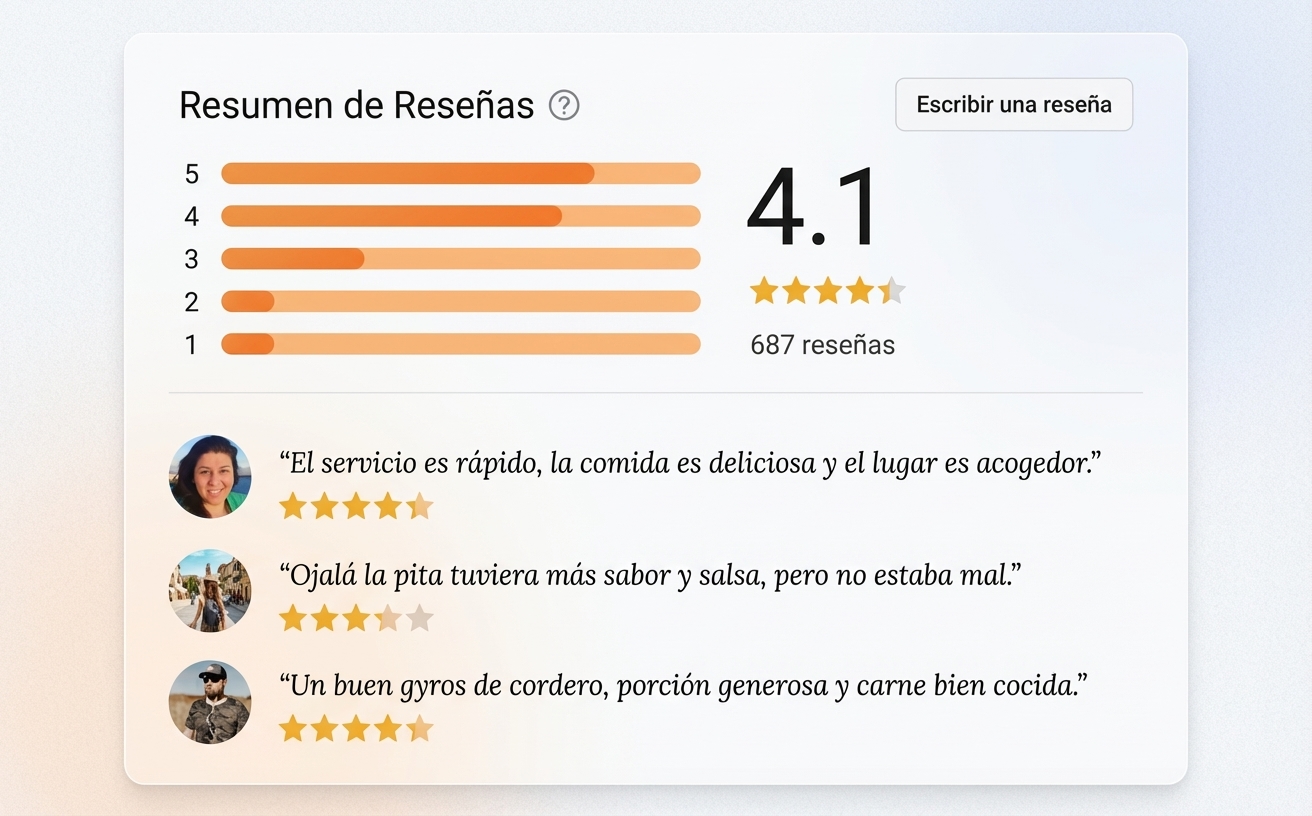
Each location receives different reviews, there are major rating differences, some reply and others do not, there is no central control, and there are no comparable metrics.

The result is always the same: inconsistent reputation, loss of positioning, and loss of customers.

This is what turns reputation into a strategic problem within online reputation management.
Consequences of a traditional reputation strategy

Why a traditional strategy does not work

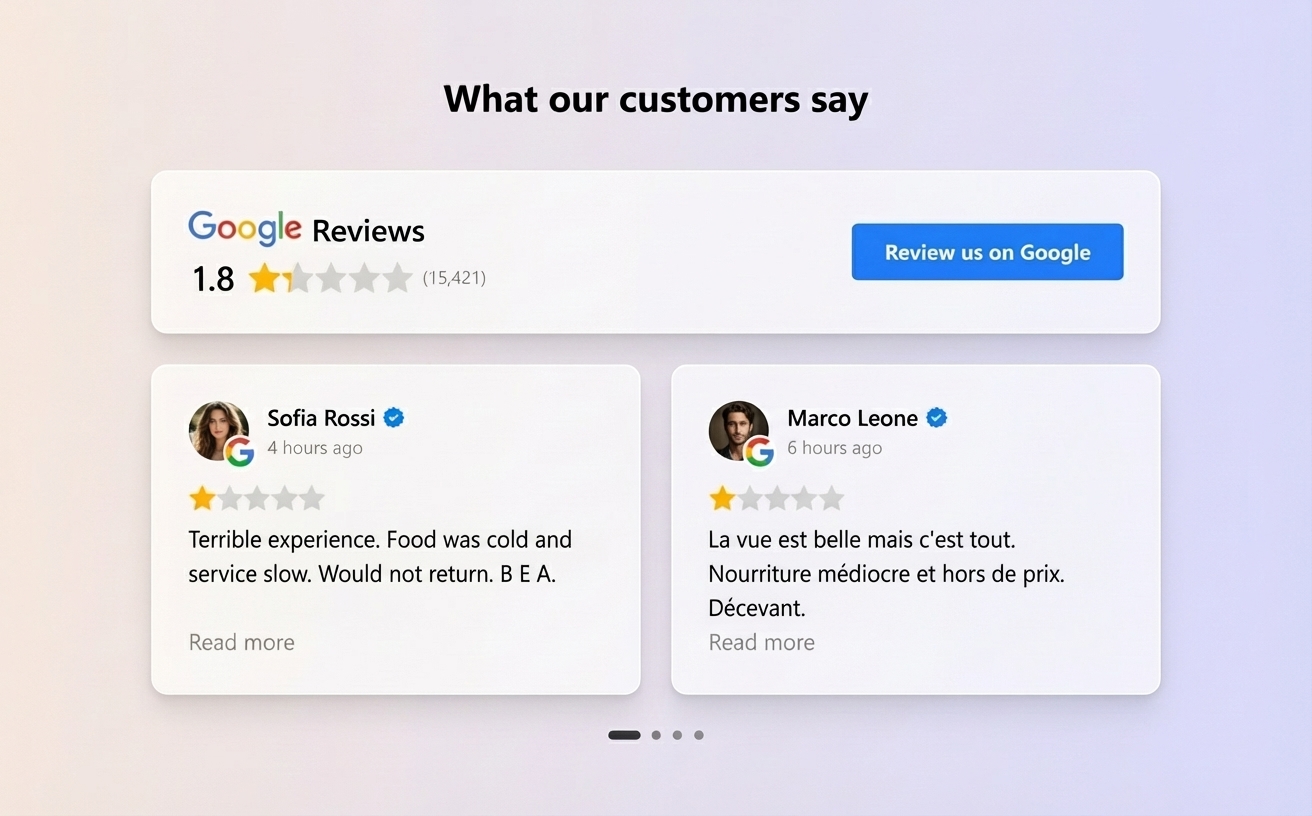
Many companies try to leave management to each location, respond manually, and ask for reviews informally.

That creates disorder, inconsistencies, and lack of control.

And on Google Maps, that translates into worse ranking. You can understand that impact better in Google Maps positioning.

Multi-location reputation system

What a multi-location reputation strategy is

It is not a set of actions.

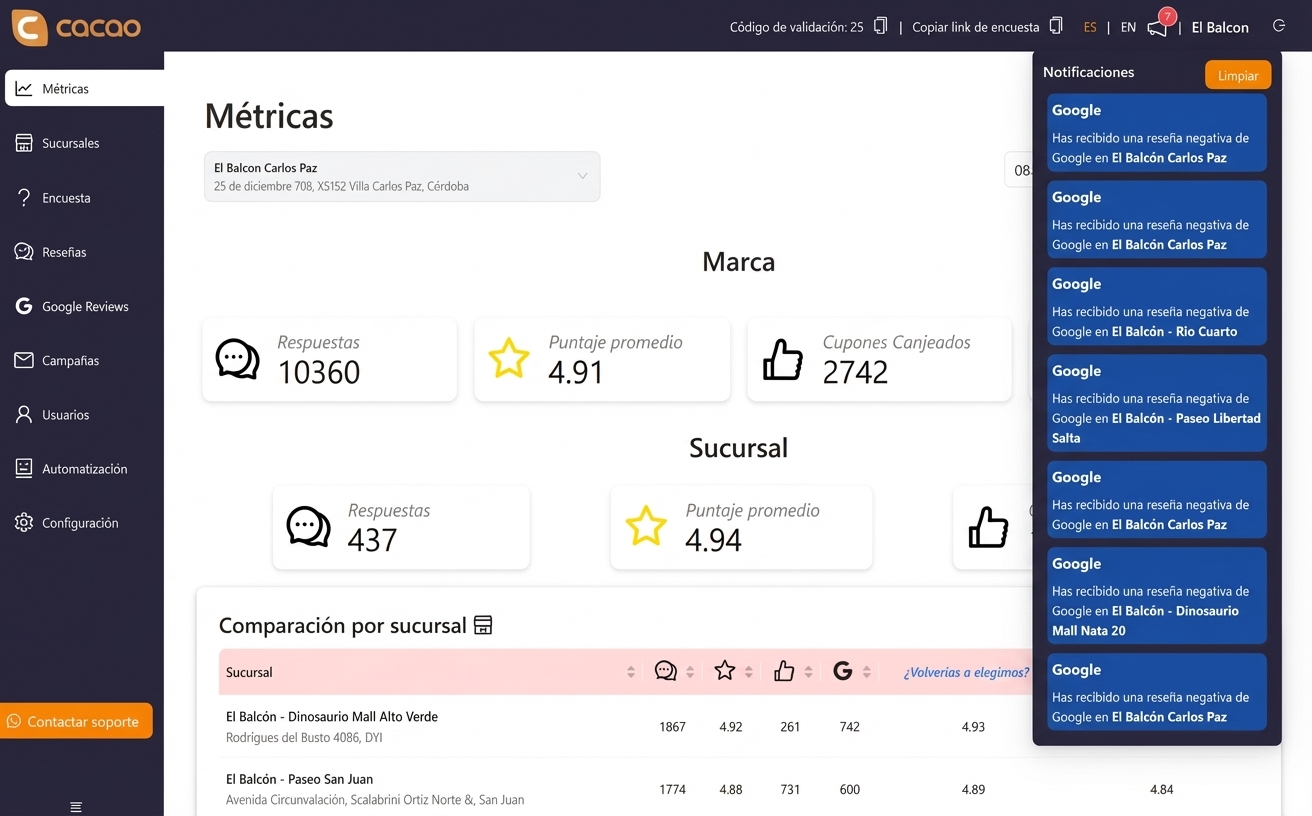
It is a system that allows you to generate reviews at each location, manage centrally, maintain consistency, and scale results.

Multi-location reputation framework

Framework: how to manage reputation across multiple locations

Review generation by location

Each store needs its own review flow.

It does not work to concentrate reviews in a single place.

This is achieved by integrating processes such as:

Negative experience filtering

Before a bad experience reaches Google, it has to be detected.

This is handled with:

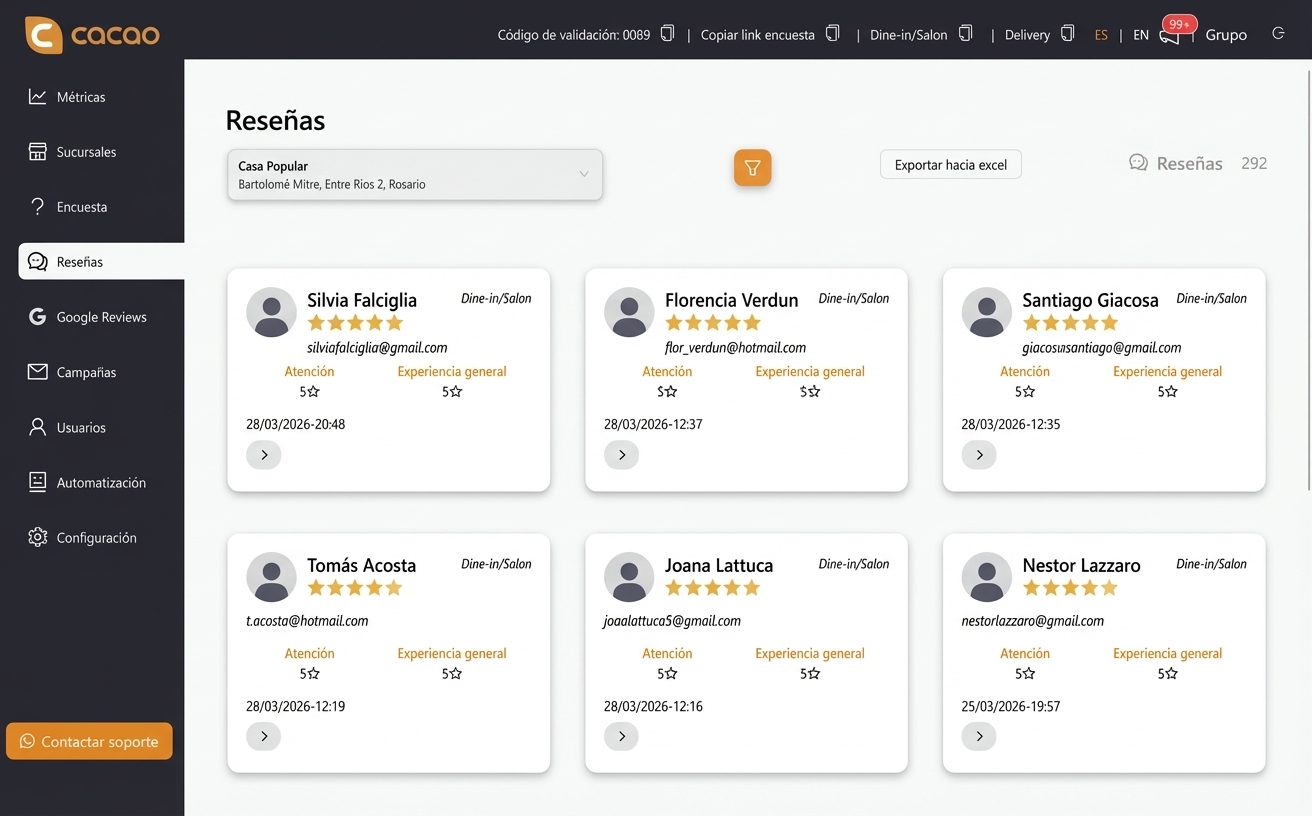
Centralized review management

The biggest problem in multi-location businesses is the lack of control.

That is why it is essential to:

Reply automation

Replying manually does not scale.

Growing companies use:

This allows:

Real-time monitoring

If you do not detect problems quickly, you lose control.

This is handled with:

Comparative metrics across locations

What is not measured cannot be optimized.

You need to:

Real multi-location reputation cases

Real cases: how multi-location companies implement it

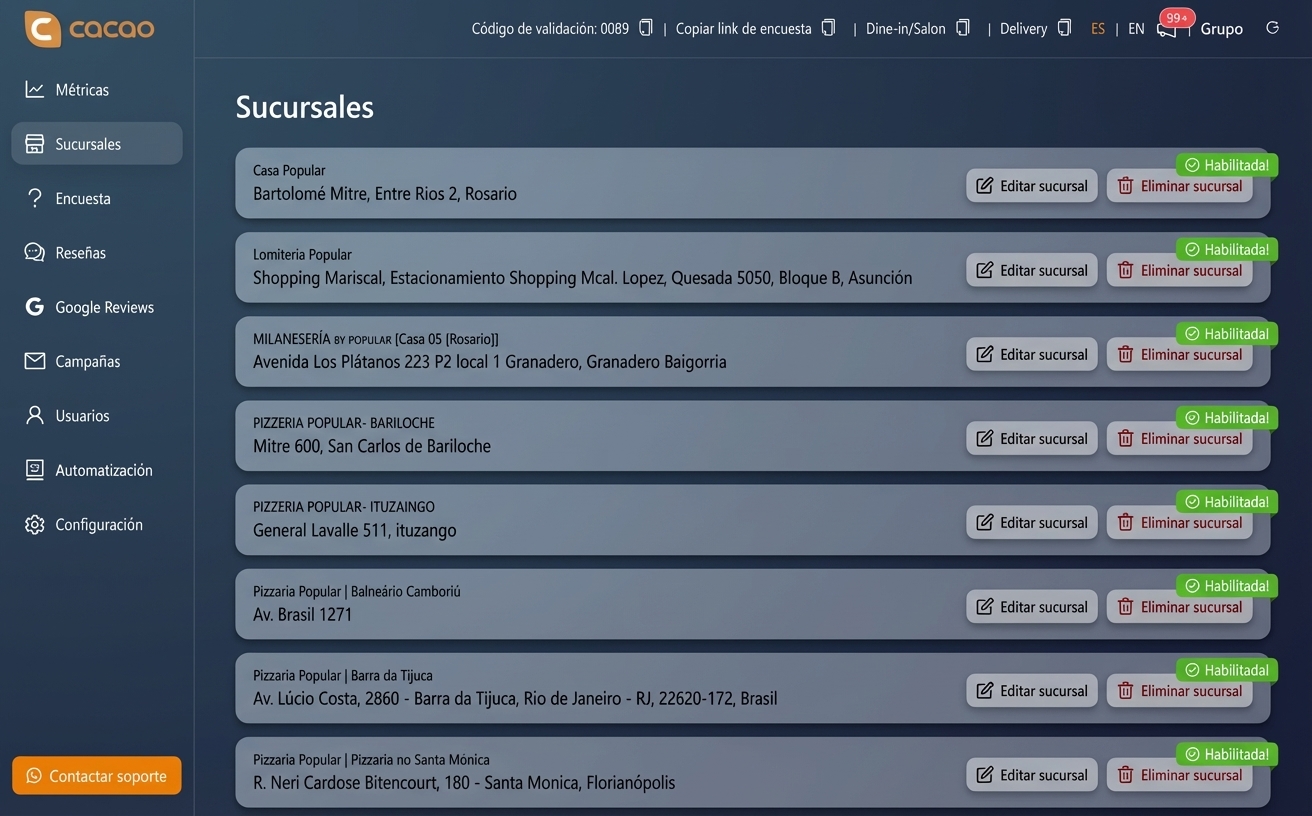
Pizzeria Popular in Argentina operates with 120 locations and generated more than 40,000 reviews. The problem was reputation variability and lack of control. The solution was a complete system with geolocation, surveys, AI, and monitoring. The result was uniform reputation, centralized control, and better positioning.

PresCar in Mexico had disorganized management and no metrics. Implementing automation and central monitoring made it possible to sustain visibility and gain strategic control.

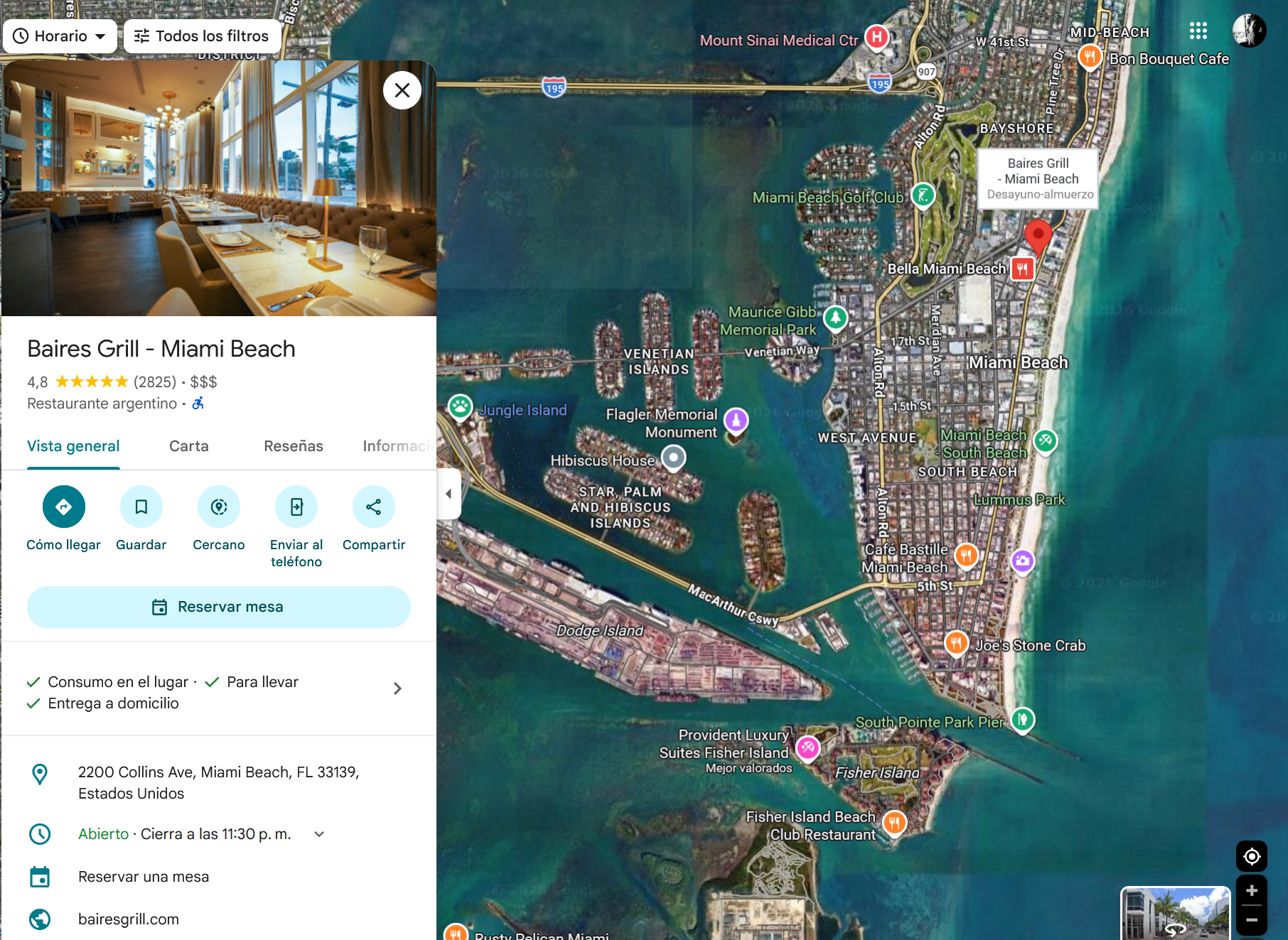
Baires Grill in the United States faced inconsistency across cities. The combination of automated replies and a central dashboard made it possible to build a homogeneous reputation and improve ranking control.

You can see more in Google Maps success stories.

Impact of multi-location reputation on positioning

How this impacts positioning

When each location generates reviews, replies, and stays active, it improves its individual ranking.

This directly reflects how Google Maps ranking factors work.

Common mistake in multi-location reputation

The most common mistake in multi-location companies

Thinking each store can manage itself.

In practice, without a system there is inconsistency. And inconsistency leads to worse ranking.

Scaling reputation with a system

The most efficient way to scale reputation

The companies in these cases do not work manually. They work with systems.

Systems that allow them to centralize, automate, and scale.

That is why many of them use a Google review management tool.

Multi-location reputation is not managed.

It is designed. The companies that manage to scale are the ones that build systems that work across all their locations. That is the real differentiator.

Request demo

Frequently asked questions

Why is it harder to manage reputation across multiple locations?

Because each location behaves like an independent business on Google. Each one has its own reviews, its own ranking, and its own perception. Without a system, this creates inconsistencies.

Does each location rank independently on Google Maps?

Yes. Each profile competes separately. That is why each location needs reviews, management, and activity.

What happens if some locations have bad reviews?

They will rank worse. And they also affect the overall brand perception.

How do you maintain consistency across locations?

By centralizing replies, processes, and monitoring.

Can a large chain be managed manually?

It is possible at the beginning, but it does not scale. As the business grows, volume increases, control is lost, and inconsistencies appear.

What impact does this have on sales?

Direct impact. Better reputation generates more trust, more clicks, and more conversions.

How do you start implementing a multi-location strategy?

Analyze the current situation, detect differences between locations, define the review generation process, centralize management, and implement a system.

What is the biggest mistake in multi-location reputation?

Not treating it as a system.