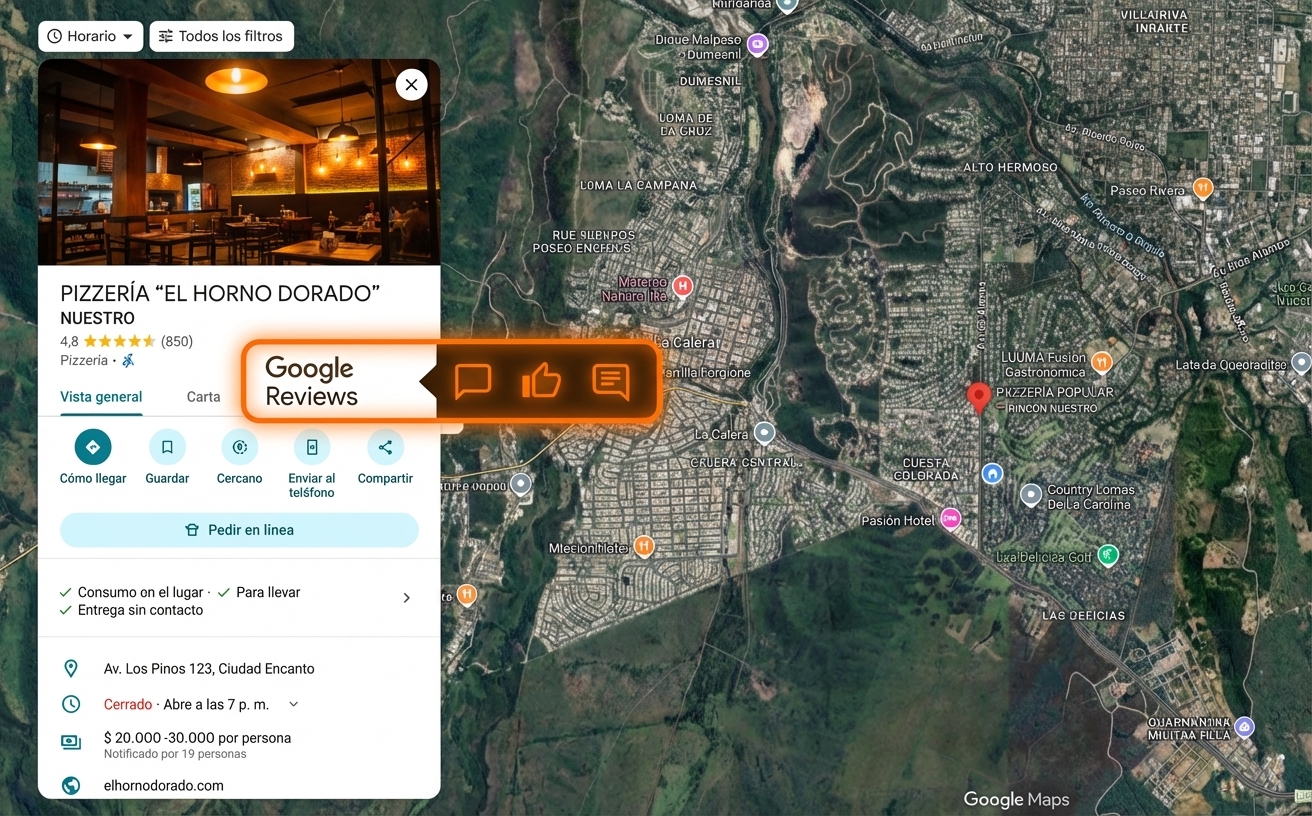
What online reputation is and why it directly impacts Google Maps

Online reputation is not just an image issue. It is one of the factors that defines whether a user chooses you or chooses your competitor. In local businesses, it also defines something even more important: whether you appear on Google or not. Today, online reputation directly impacts ranking, visibility, and purchase decisions. That is why understanding what it is and how it is built is key for any business that wants to grow.

What online reputation is

What online reputation is

Online reputation is the public perception users have of a brand on the internet.

It is built from reviews, ratings, comments, and visible responses.

These signals appear across multiple platforms: social media, marketplaces, and digital media.

But for local businesses, there is one place where everything concentrates.
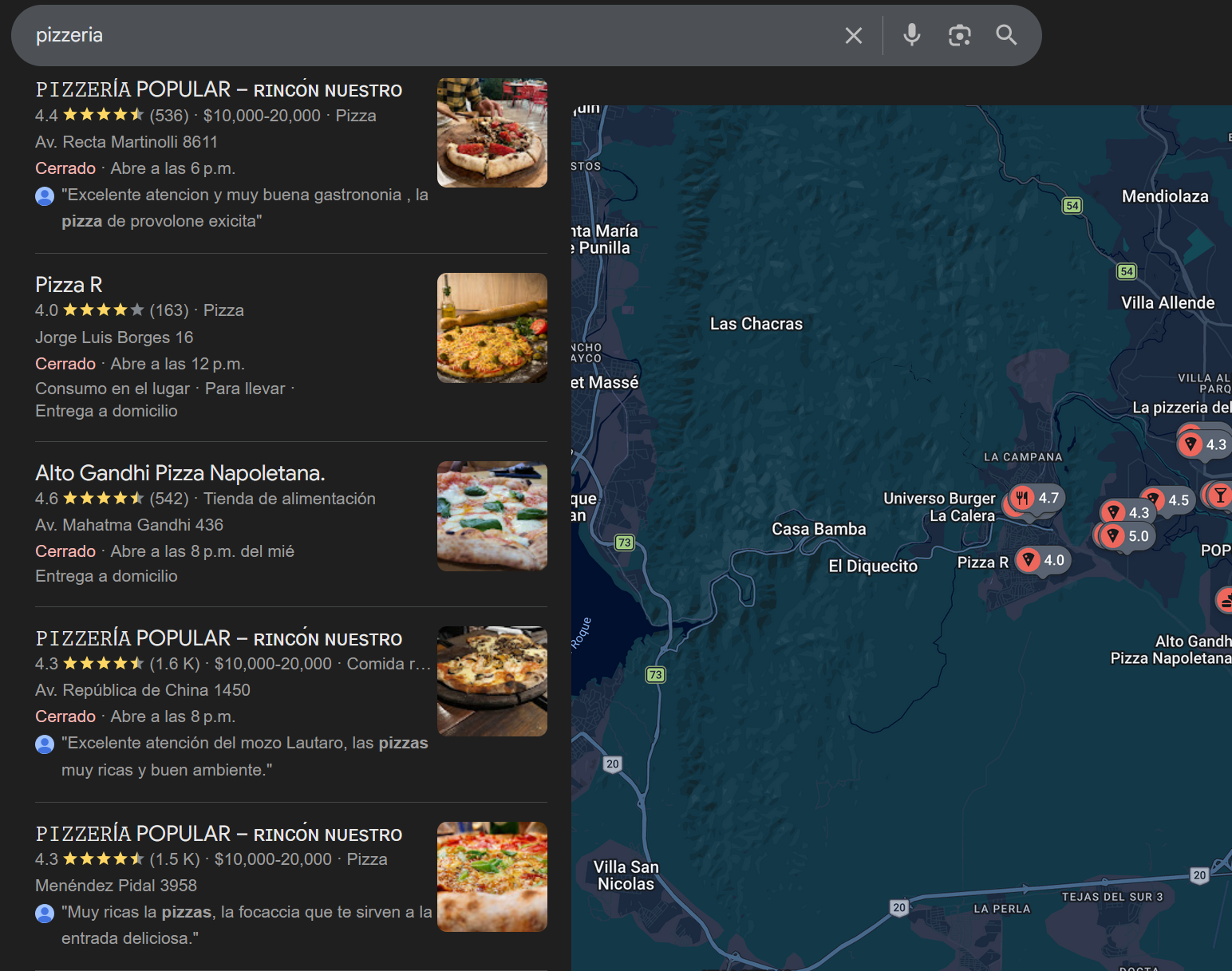
Online reputation vs Google reputation

Online reputation vs Google reputation

Online reputation is broad.

It includes everything said about your business on the internet.

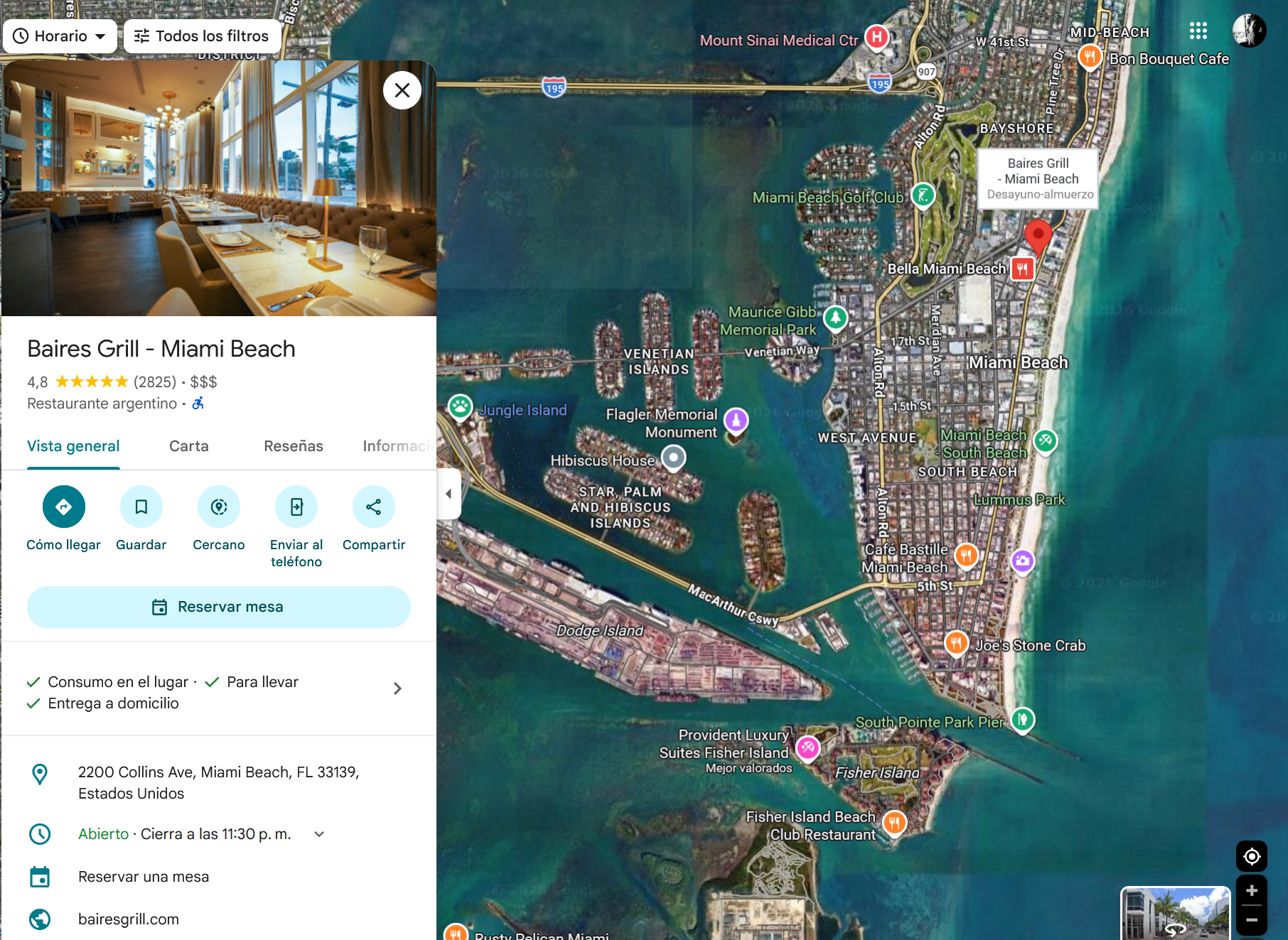
But in practice, for restaurants, retail, and local services, the most important reputation is the one built on Google Maps.

That is where users search for options, compare businesses, read reviews, and make decisions.

In practice, online reputation and Google Maps reputation usually become the same thing.

Why reputation impacts Google Maps

Why reputation impacts Google Maps

Google does not show businesses at random.

It prioritizes the ones it considers more trustworthy.

That trust is built mainly through reviews.

How reputation is built on Google

How reputation is built on Google

Reputation on Google does not depend only on stars.

It is built through multiple variables that work together.

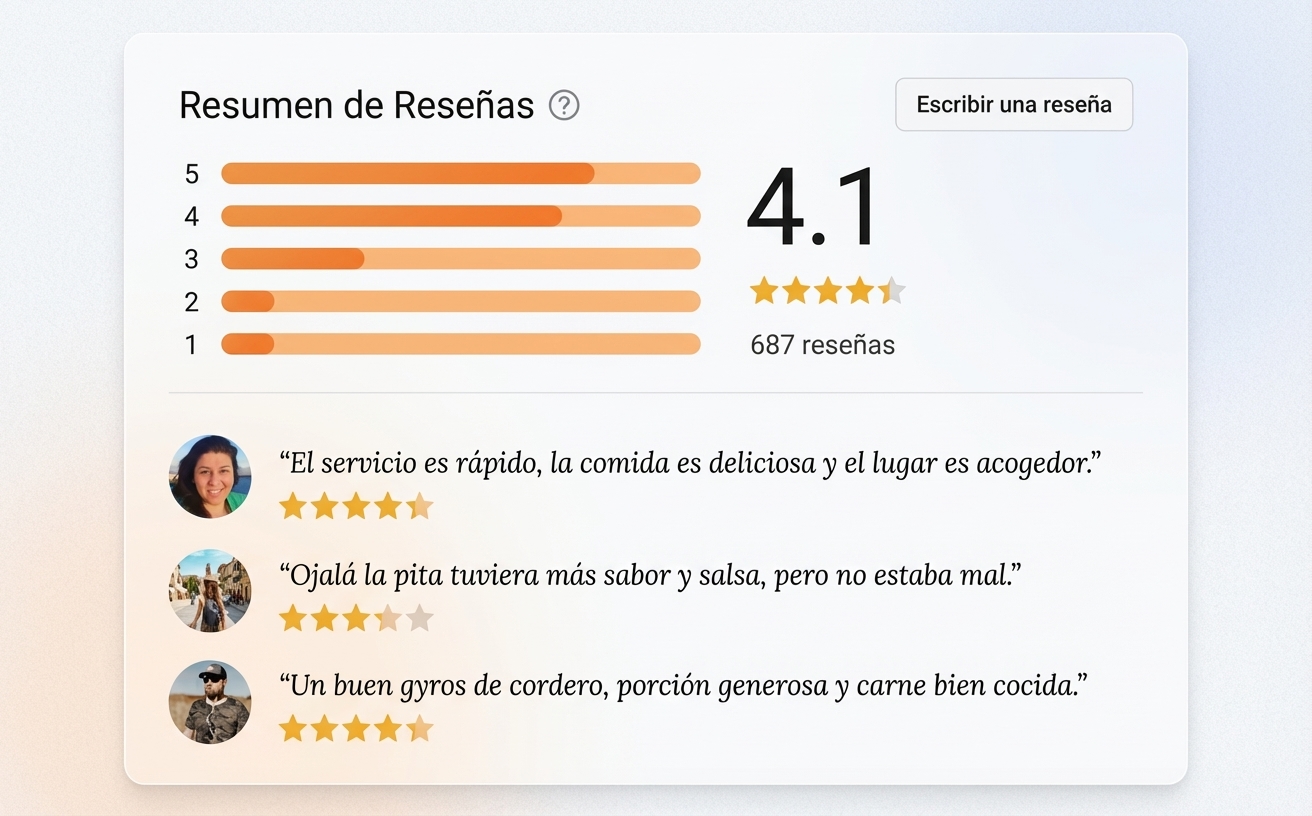
  • Average rating: the visible score, for example 4.2 or 4.6.
  • Review volume: the total accumulated number.
  • Frequency: how often you receive new reviews.
  • Responses: whether the brand replies or ignores comments.
  • Negative reviews: how they are handled and how fast. You can see how to work on this in negative Google reviews.
Impact of online reputation on sales

Why online reputation impacts sales

Reputation is not only perception.

It has a direct impact on the business.

On Google Maps, it influences user decision, pre-visit trust, competitor comparison, and conversion rate.

A profile with consistent reviews, active replies, and strong ratings signals control and quality. An abandoned one signals the opposite.

Problem in multi-location businesses

The problem in multi-location businesses

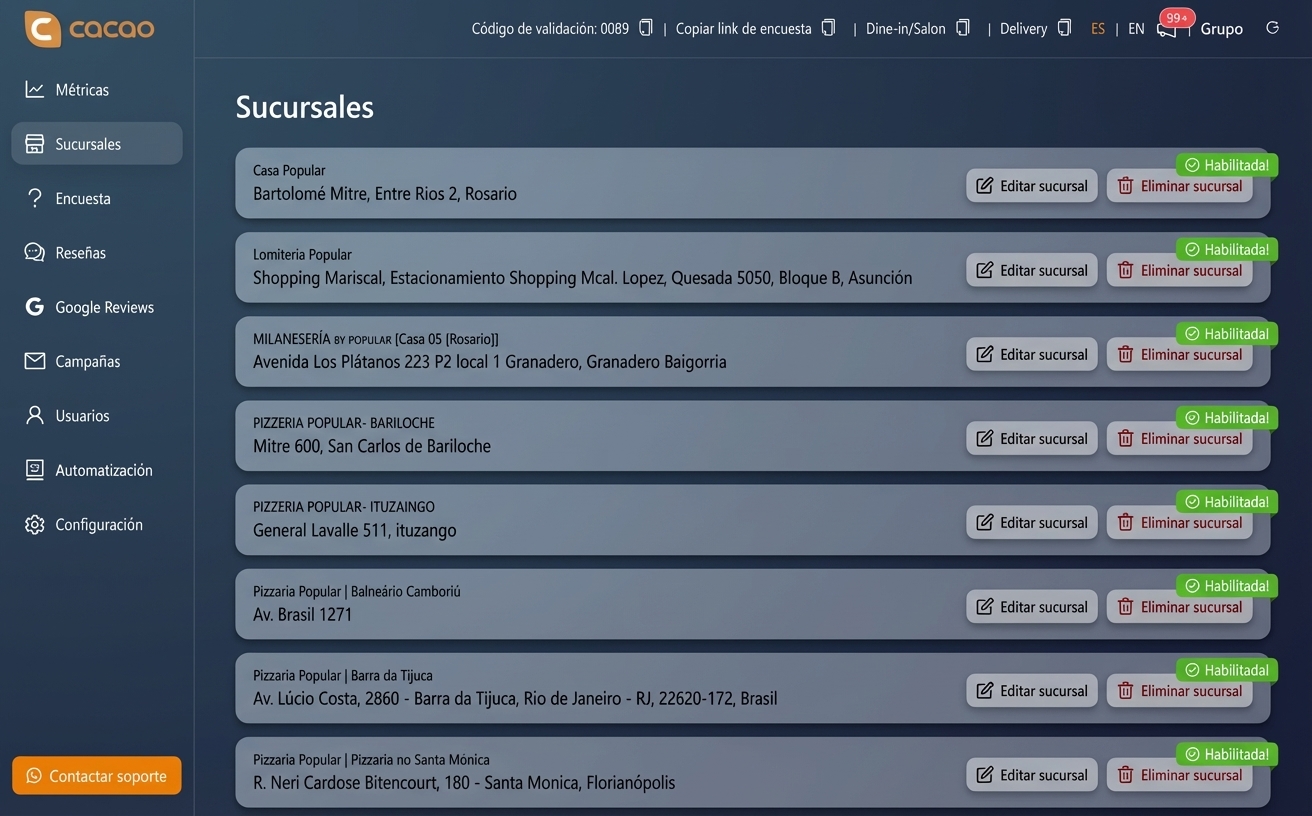
When a brand has multiple locations, reputation becomes an operational problem.

Large differences between locations, unattended negative reviews, inconsistent replies, lack of monitoring, and lack of comparable metrics usually appear.

In that context, each location competes independently. That is why you need a specific multi-location reputation strategy.

From perception to system

From perception to system

Most businesses treat reputation as something passive.

But the ones that grow turn it into a system.

  • Constant monitoring.
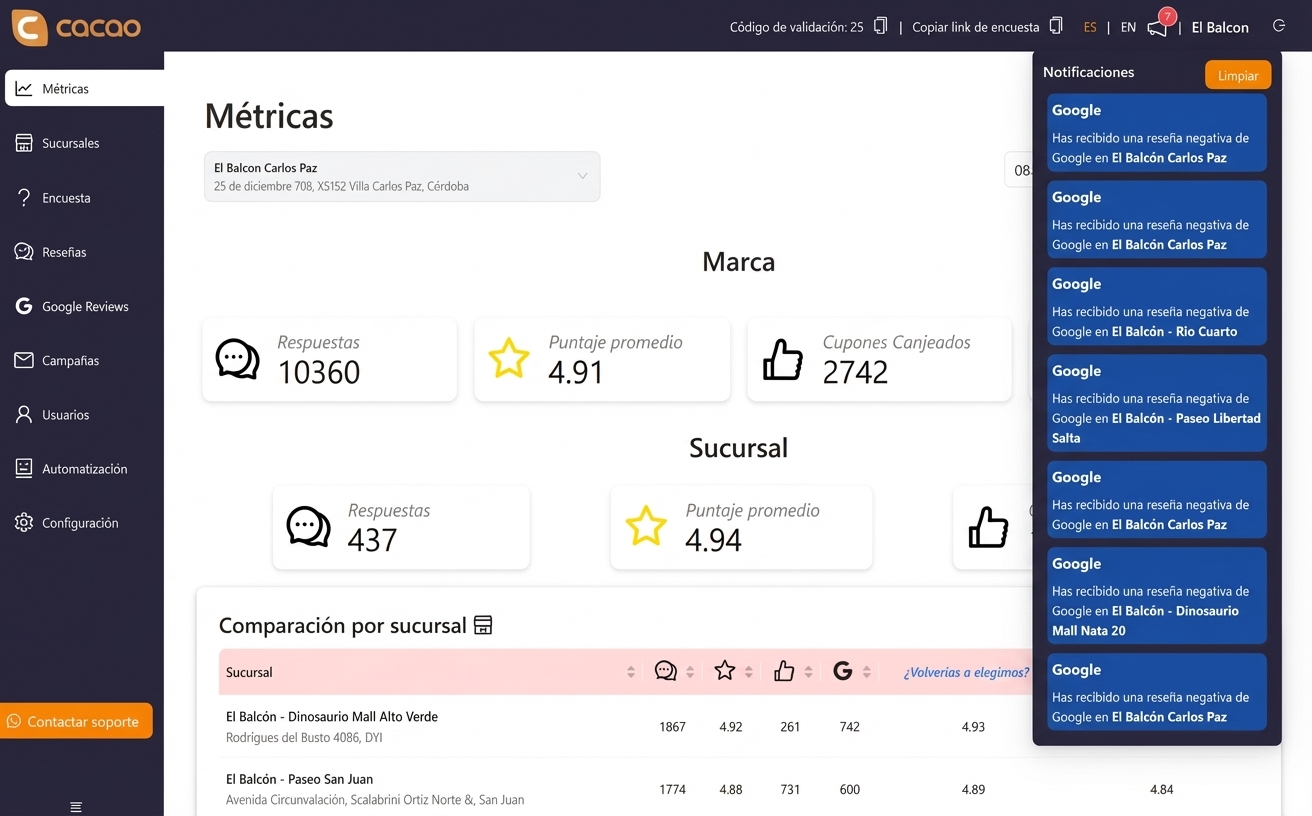
  • Real-time alerts.
  • Response management.
  • Continuous review generation.
  • Centralized control. This is supported by tools like Google reputation monitoring.
Real online reputation cases

Real cases: how it works in practice

This approach is not theoretical.

It is already applied by companies with multiple locations across different countries:

These companies managed to scale review generation, improve ranking, and increase inquiries. You can see the full detail in Google Maps success stories.

How to start working on your online reputation

How to start working on your online reputation

To turn your reputation into a competitive advantage, you need:

  • Generate reviews consistently. You can apply strategies like how to get Google reviews.
  • Manage them actively. Reply and improve the experience.
  • Monitor in real time. Detect problems before they escalate.
  • Implement a system. That is what truly makes the difference.
The most efficient way to manage it

The most efficient way to manage it

As the business grows, manual management stops working.

That is why many companies use a Google review management tool to centralize, automate, and scale the whole process.

Online reputation is not just image.

It is ranking. It is visibility. And it is sales. The businesses that turn it into a system are the ones that end up dominating their market.

Request demo

Frequently asked questions

What is online reputation in simple terms?

It is the perception users have of your business on the internet, based on reviews, comments, and visible ratings.

Why is online reputation so important today?

Because it directly impacts whether you appear on Google, whether a customer trusts you, and whether you end up selling. It is not just marketing. It is performance.

How does online reputation influence Google Maps?

Google uses reviews as a trust signal. The stronger your reputation, the more visibility you get, the better you rank, and the more customers you attract.

What matters more: review quantity or review quality?

Both. Quantity improves visibility and quality improves conversion.

How is a strong online reputation built?

With a system that combines review generation, active management, monitoring, and consistency.

What if I have negative reviews?

It is not a problem if they are managed correctly. What matters is replying and improving the experience.

Can reputation be managed manually?

Yes, but it does not scale. As the business grows, it becomes inefficient.

How does reputation affect multi-location businesses?

Each location has its own reputation. That creates inconsistencies if there is no centralized control.

What is the biggest mistake in online reputation?

Thinking it is passive. The businesses that grow treat it as a system.