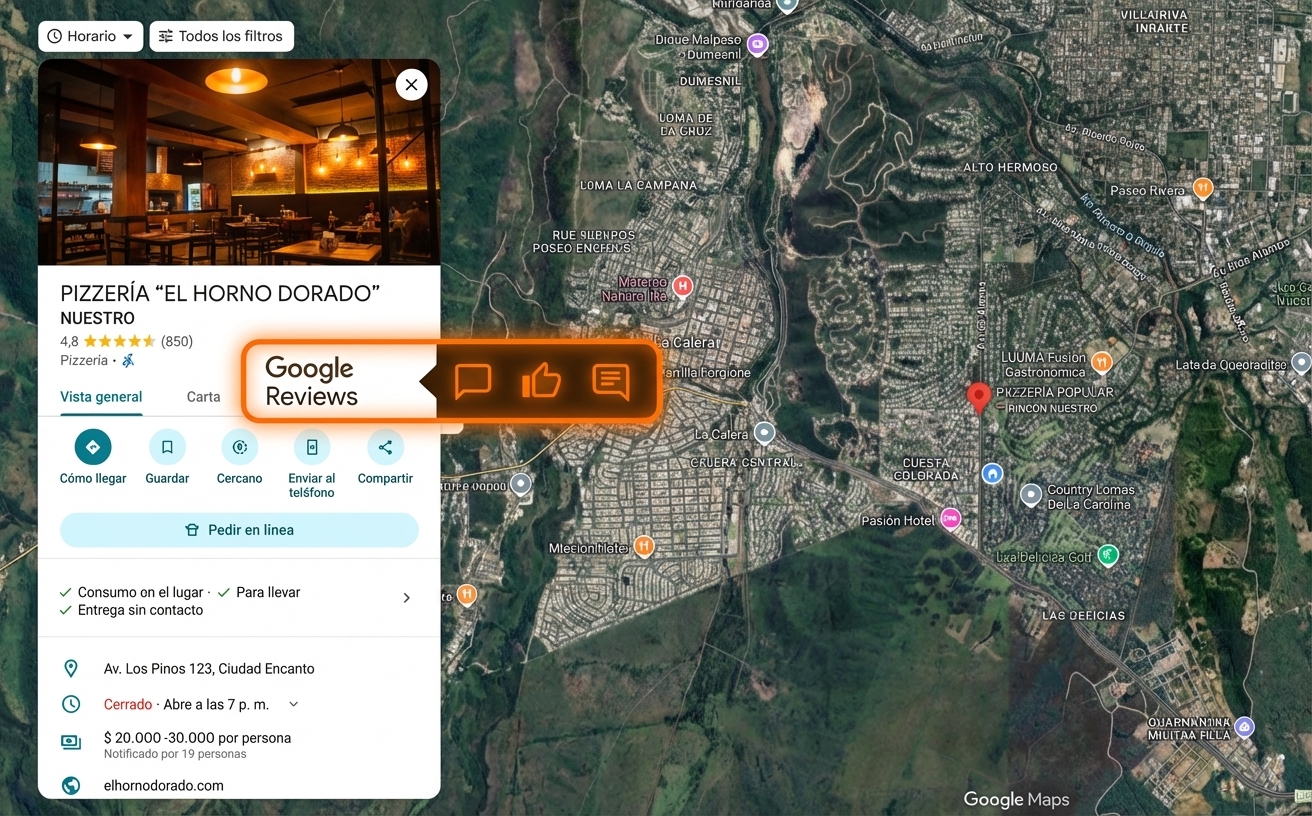
Introduction
Below, you will see real examples of businesses that increased their reviews, improved visibility, ranked for key searches, and scaled their operations.
You will also see how they did it in practice.

Many businesses understand that Google Maps matters. But few manage to turn it into a predictable customer acquisition channel. The difference is not knowing what to do. It is implementing a system.
Below, you will see real examples of businesses that increased their reviews, improved visibility, ranked for key searches, and scaled their operations.
You will also see how they did it in practice.
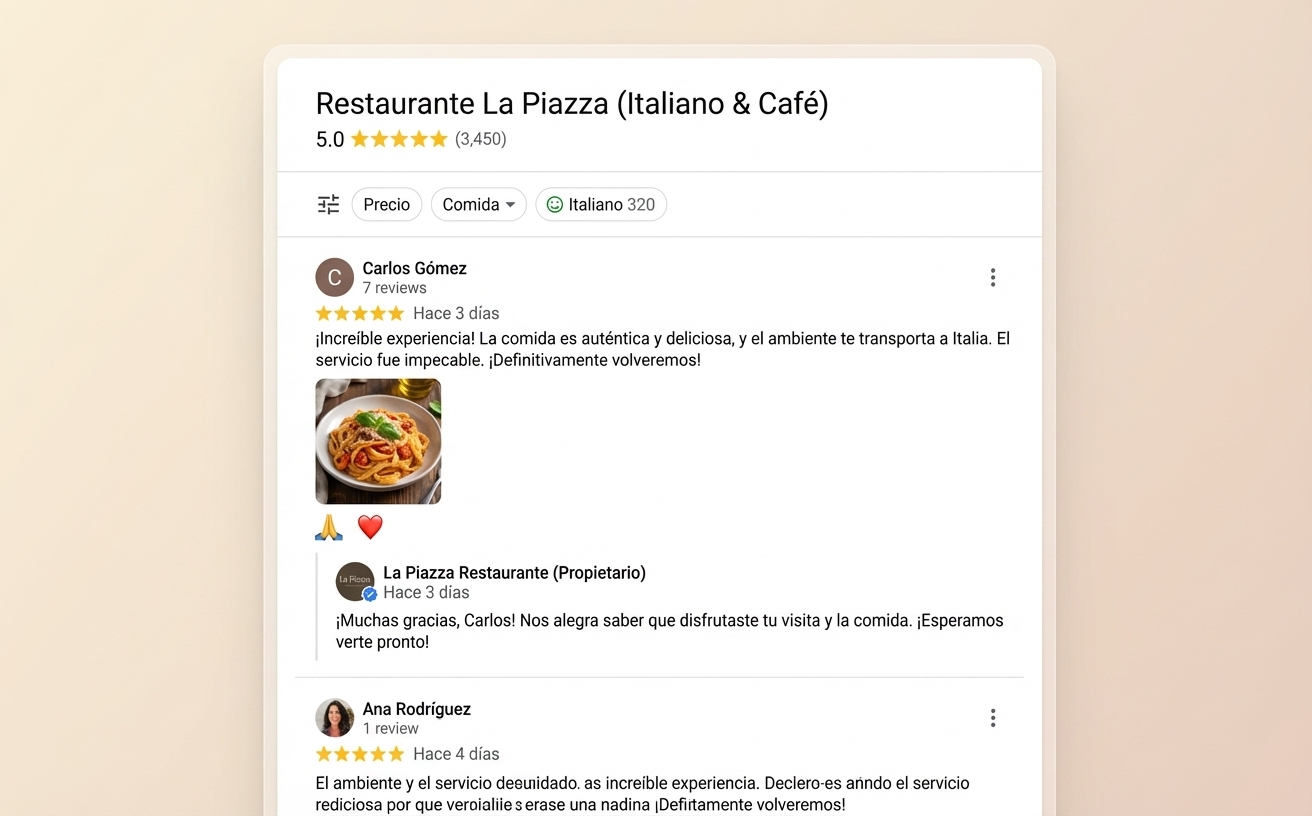
Across industries and countries, the pattern is clear.
The best-performing businesses generate reviews every day, actively manage reputation, work with systems instead of isolated actions, and operate with consistency.
This is what directly impacts Google Maps ranking.
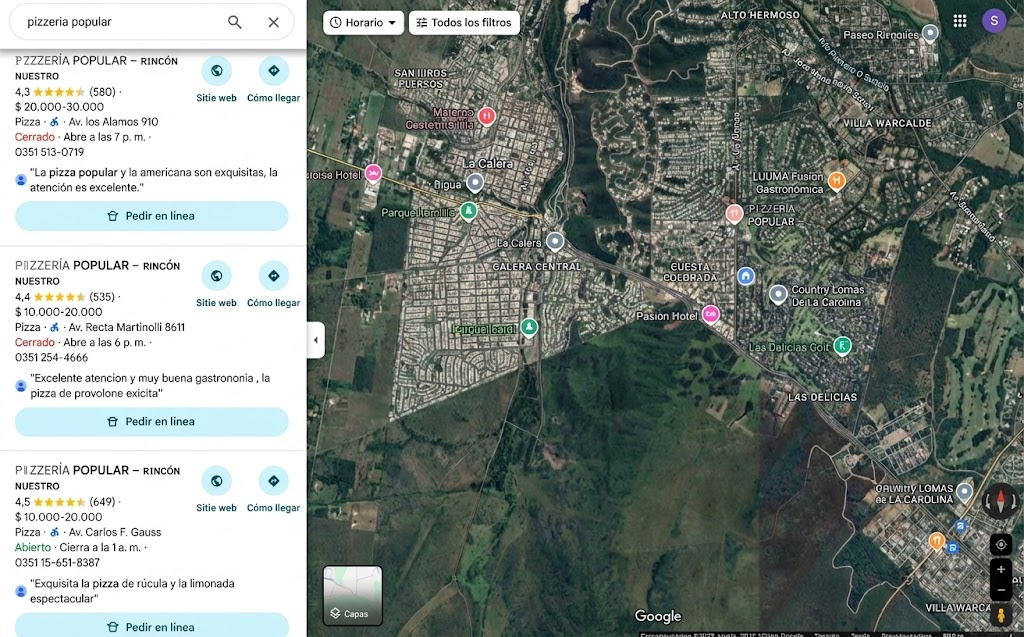
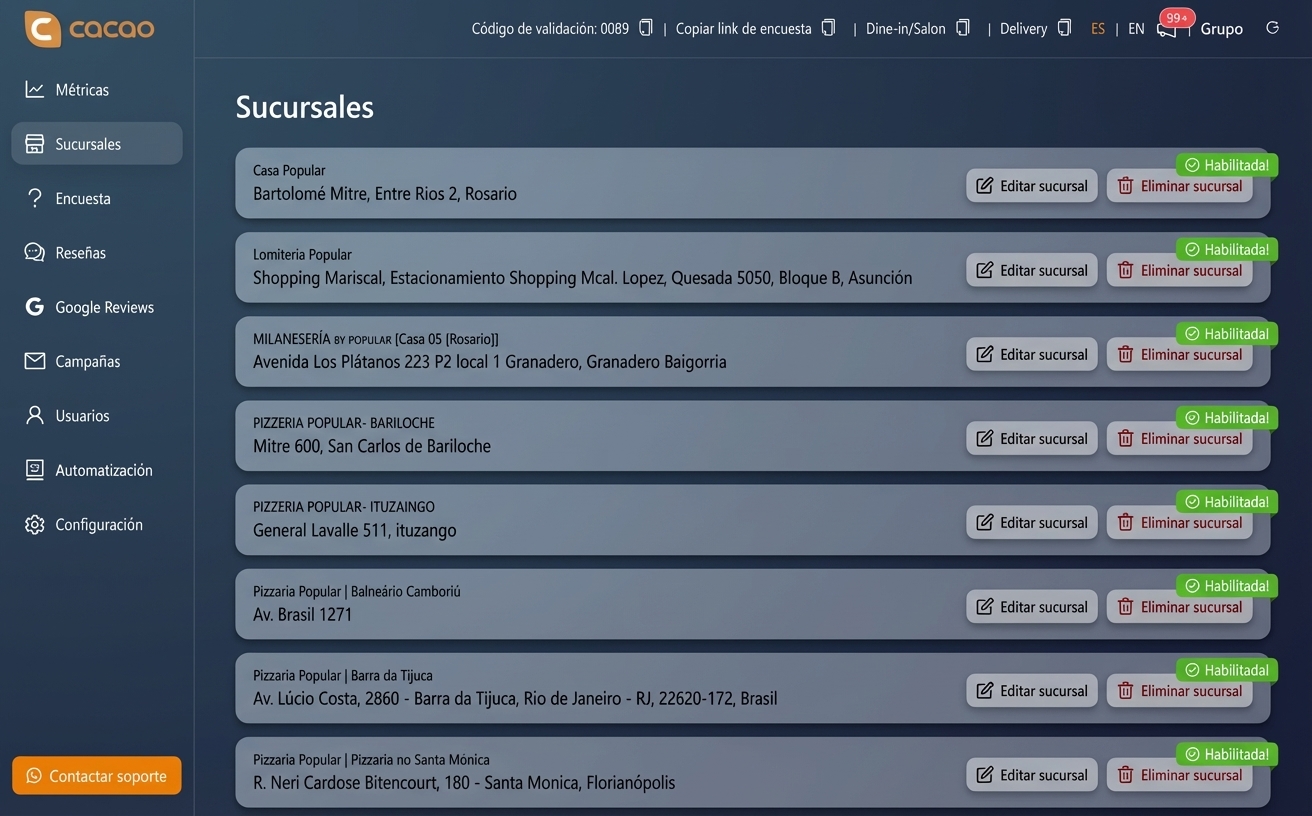
Pizzería Popular is a chain with a strong presence in Argentina, with multiple locations across different cities.
Context: 120 locations, more than 40,000 reviews generated, and a decentralized operation.
Challenge: strong variability between stores, manual management that could not scale, no comparative metrics, and no ongoing system.
A system was implemented based on:
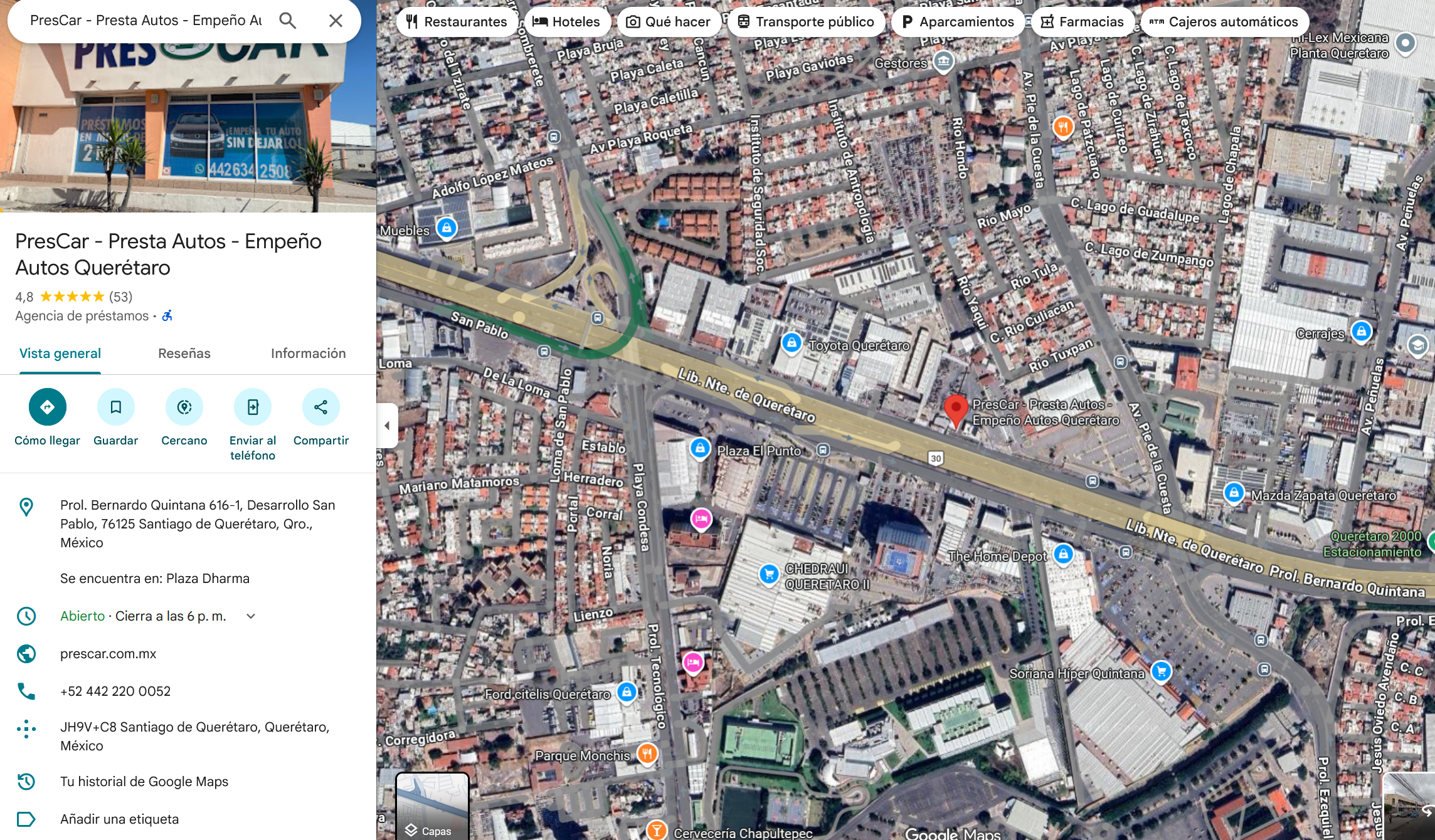
Context: a multi-location business that needed to professionalize reputation management.
Problem: inconsistent replies, lack of centralized control, and no metrics.
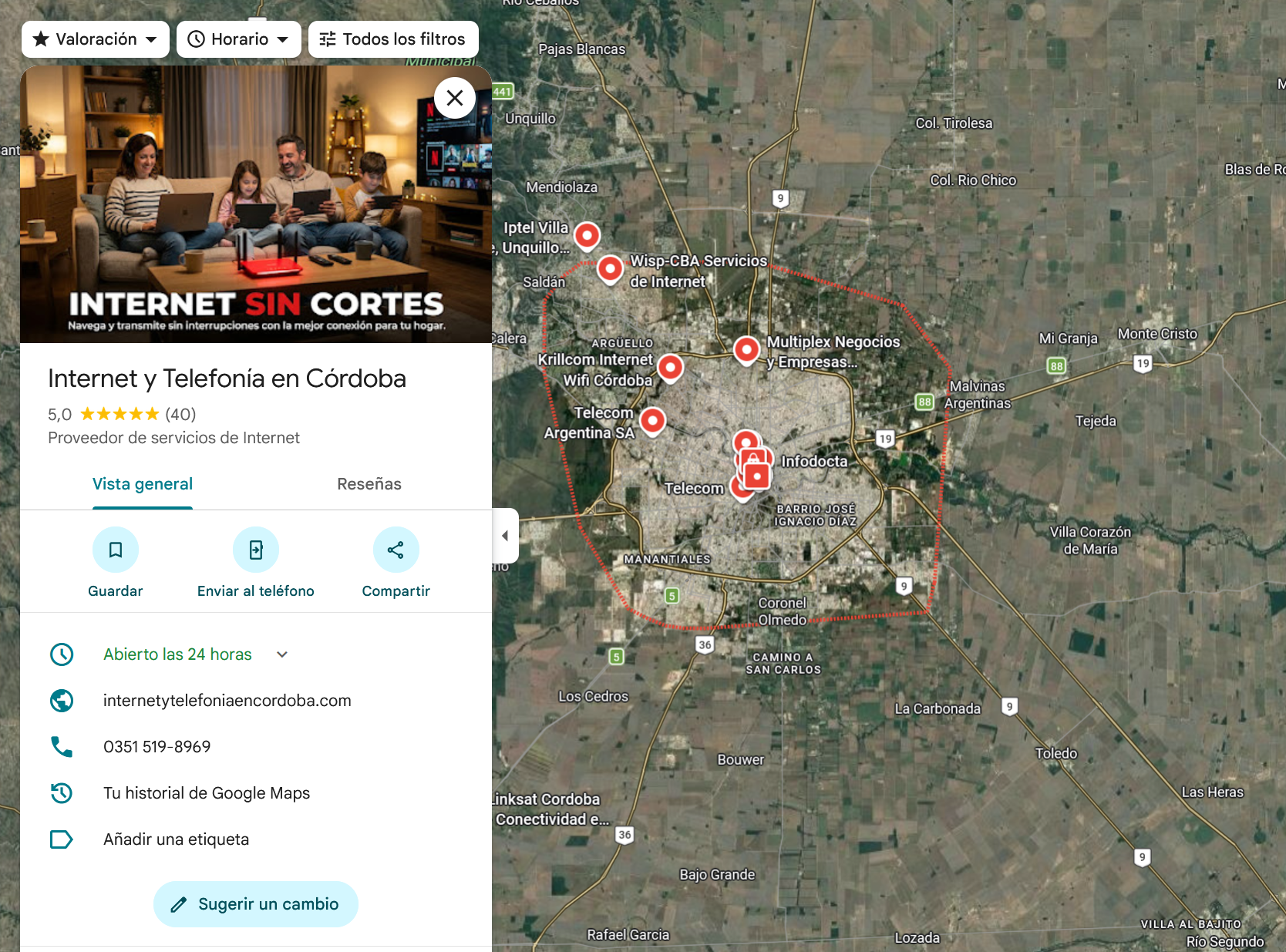
Context: local company focused on internet services in Cordoba.
Challenge: ranking for highly competitive keywords and generating a constant review flow.
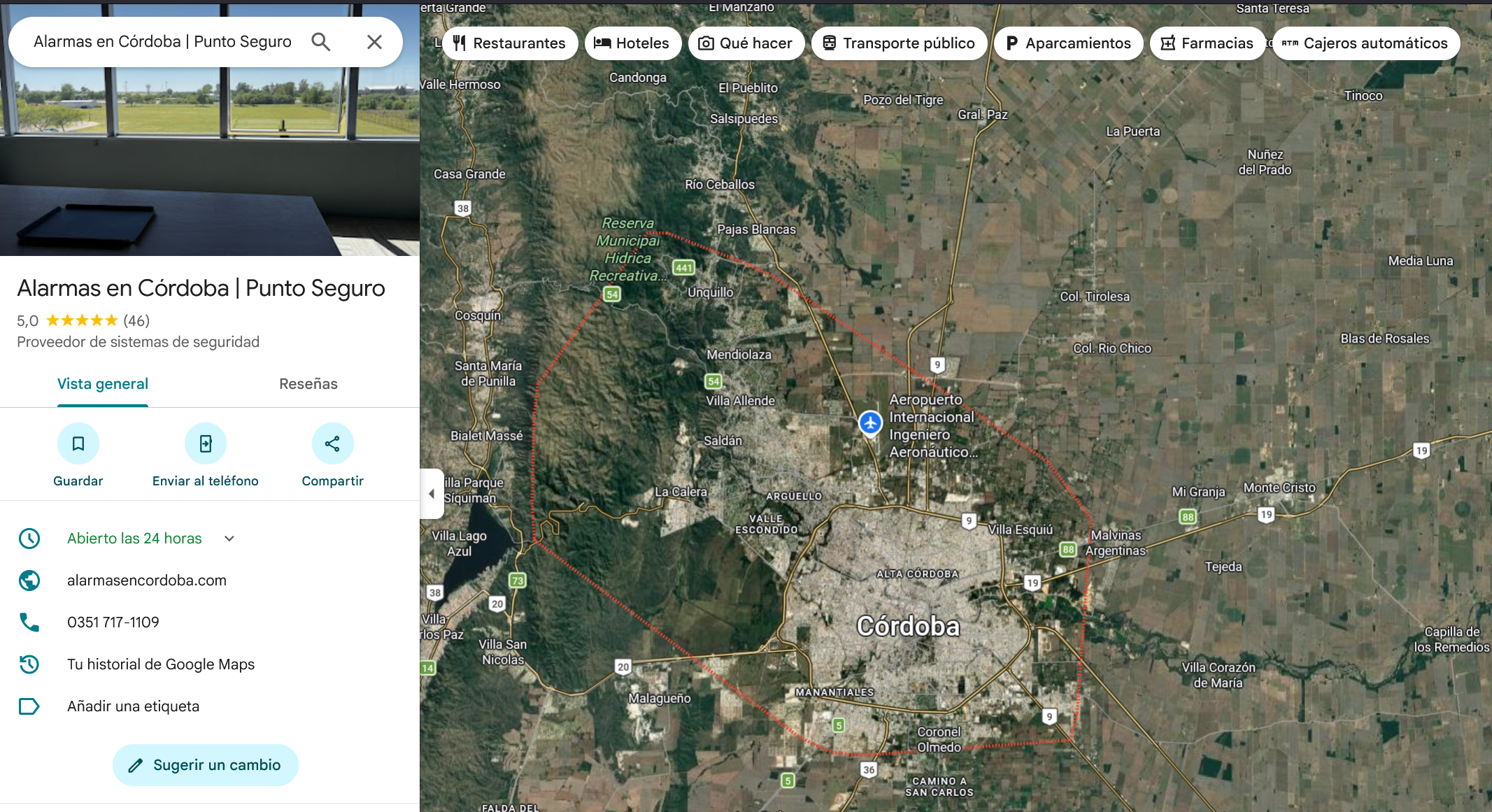
Context: security company competing in key local searches.
Challenge: ranking for keywords such as "alarmas en Córdoba" and scaling review generation.
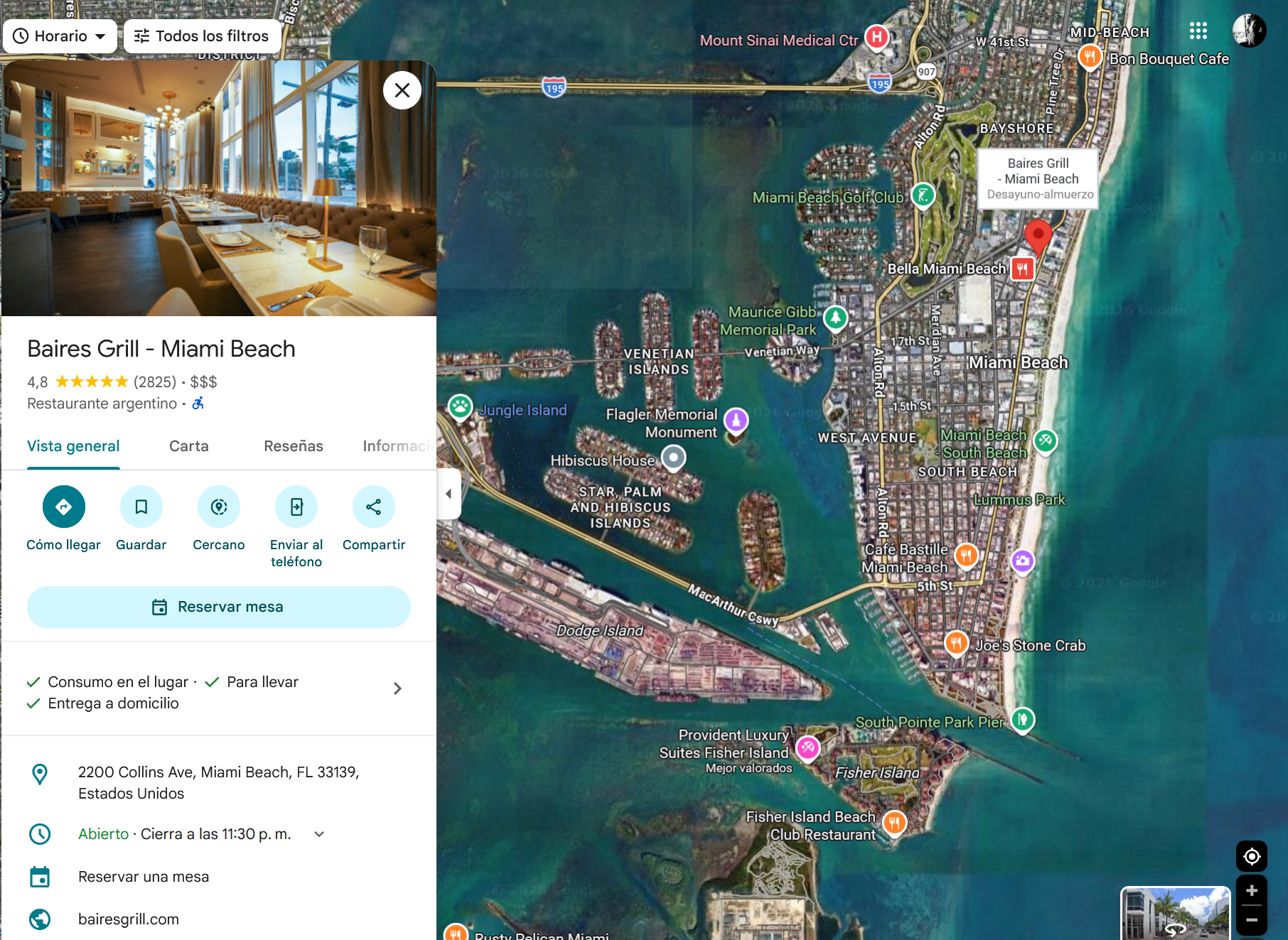
Context: chain with an international footprint.
Challenge: inconsistent replies and lack of centralized control.
Read the full Baires Grill case study on centralized Google reputation management.
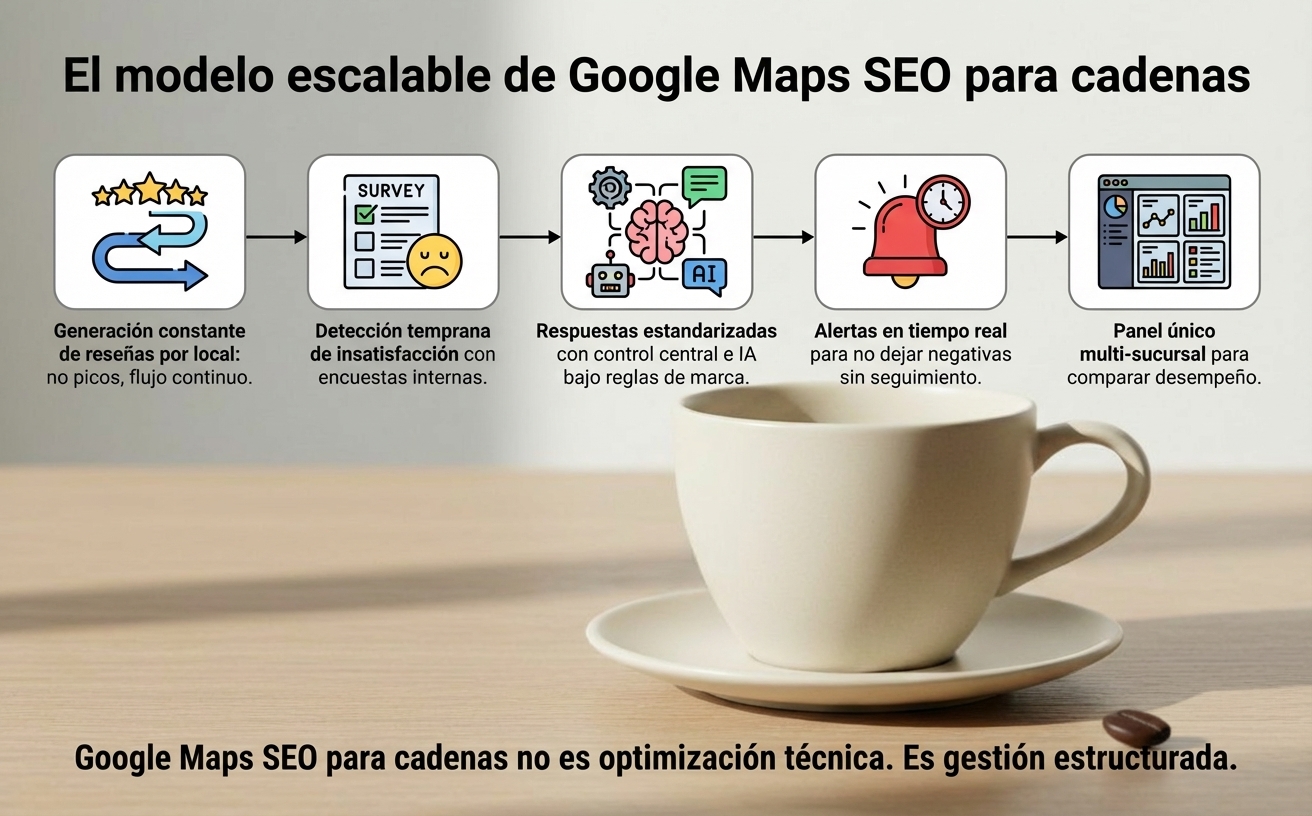
Results do not come from a one-off action. They come from a system.
A system that combines review generation, active management, consistency, and automation.
This is what helps businesses understand how to rank on Google Maps.
Generate reviews consistently.
By applying strategies like how to get Google reviews.
Manage them actively, with clear processes.
Maintain consistency. It is the most important factor.
Implement a system. That is what truly makes the difference.
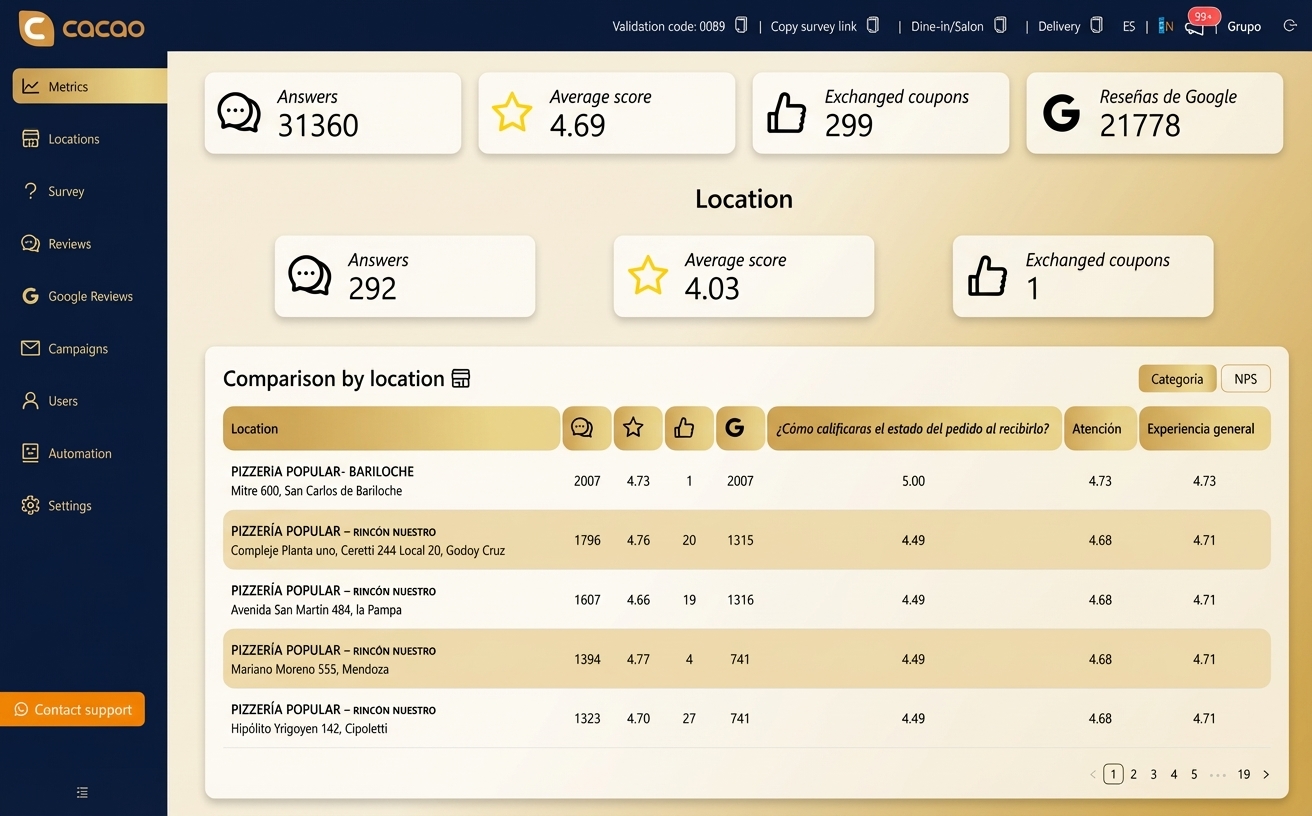
All these businesses share one thing: they do not do it manually. They use systems.
That is why many of them implement a Google review management tool to centralize, automate, and scale.
They are the result of well-implemented systems. The businesses that dominate Google Maps are the ones that work with structure, consistency, and scale. If you want similar results, you need to implement the same approach.
Request demoConsistency. Successful businesses generate reviews continuously and actively manage their reputation.
It depends on the starting point: first improvements can show up within weeks, while solid results usually take 2 to 3 months.
Yes, as long as the same system is implemented.
Both. Generating without managing does not scale.
Because they work with systems, not isolated actions.