Google Maps ranking factors: how to improve your ranking

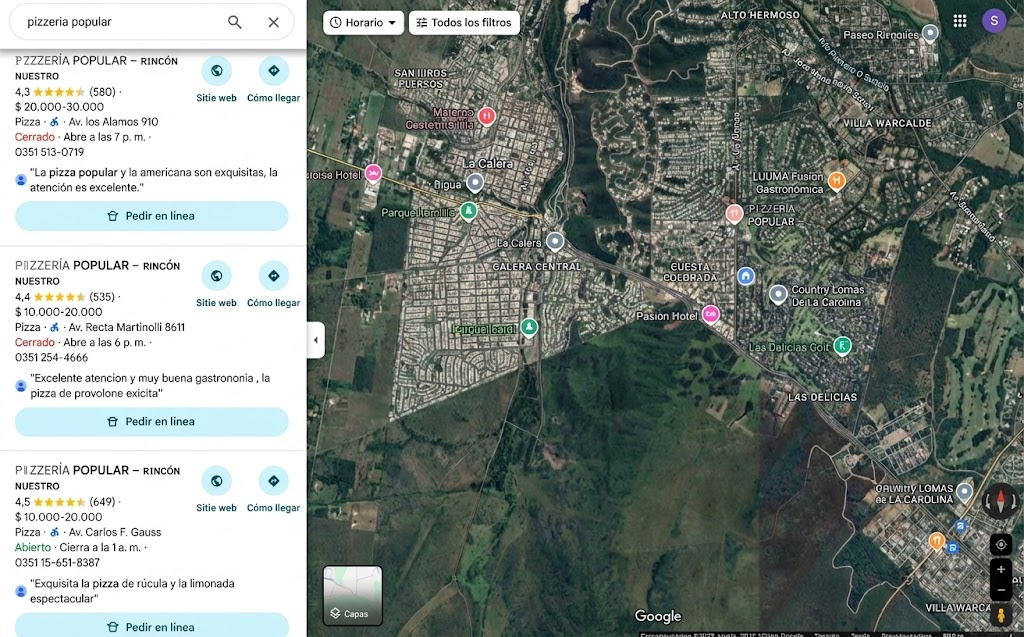
When a user searches for a business on Google Maps, not every result appears. The best-ranked ones do. That order is not random. It is defined by a series of factors that determine which business appears first and which one stays invisible. Understanding these factors is key to improving your Google Maps ranking and capturing more customers.

How Google Maps ranking works

How Google Maps ranking works

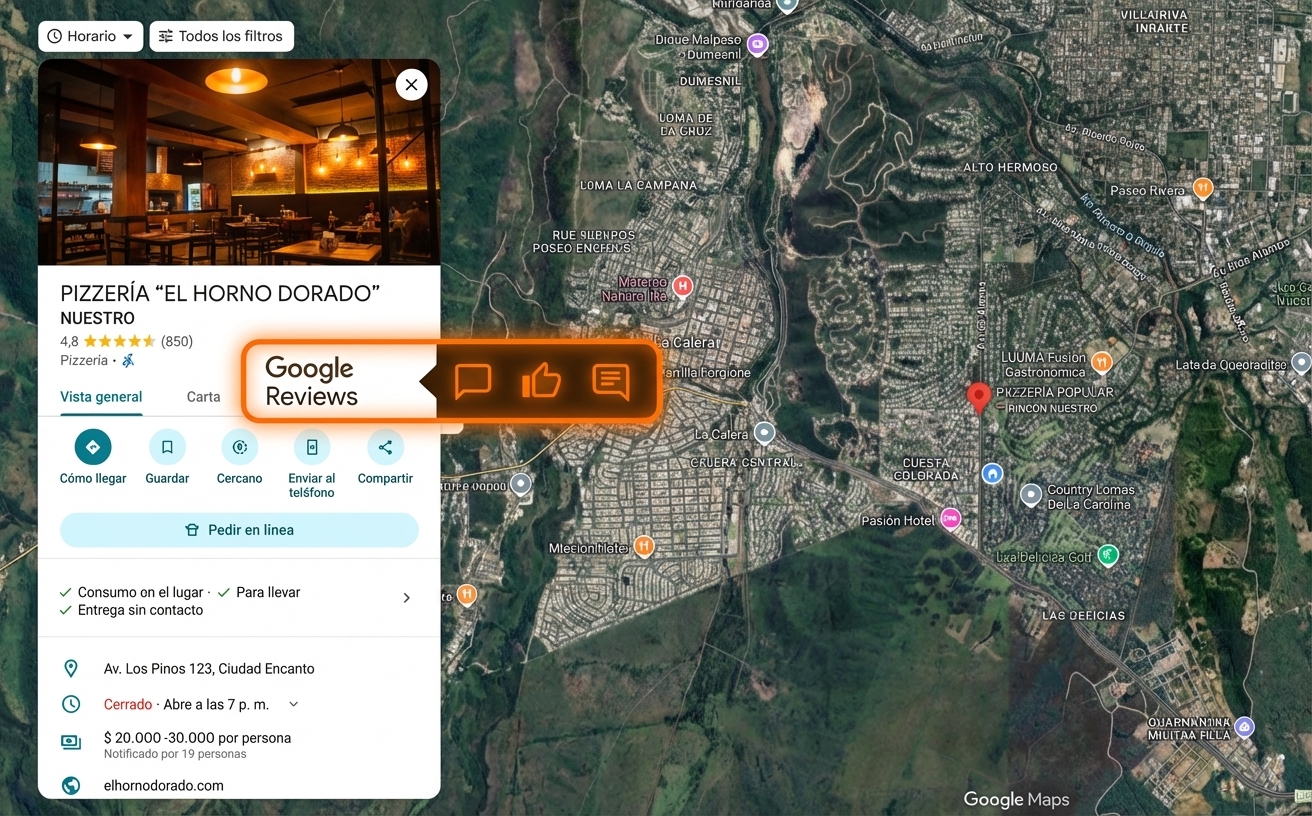
Google organizes results around three major pillars:

But these concepts are only the surface.

Each one is made up of multiple variables you can optimize.

If you want to understand how to apply this in practice, you can read this guide on how to rank on Google Maps.

  • Proximity.
  • Relevance.
  • Prominence.
Proximity in Google Maps

Proximity: the foundation of local ranking

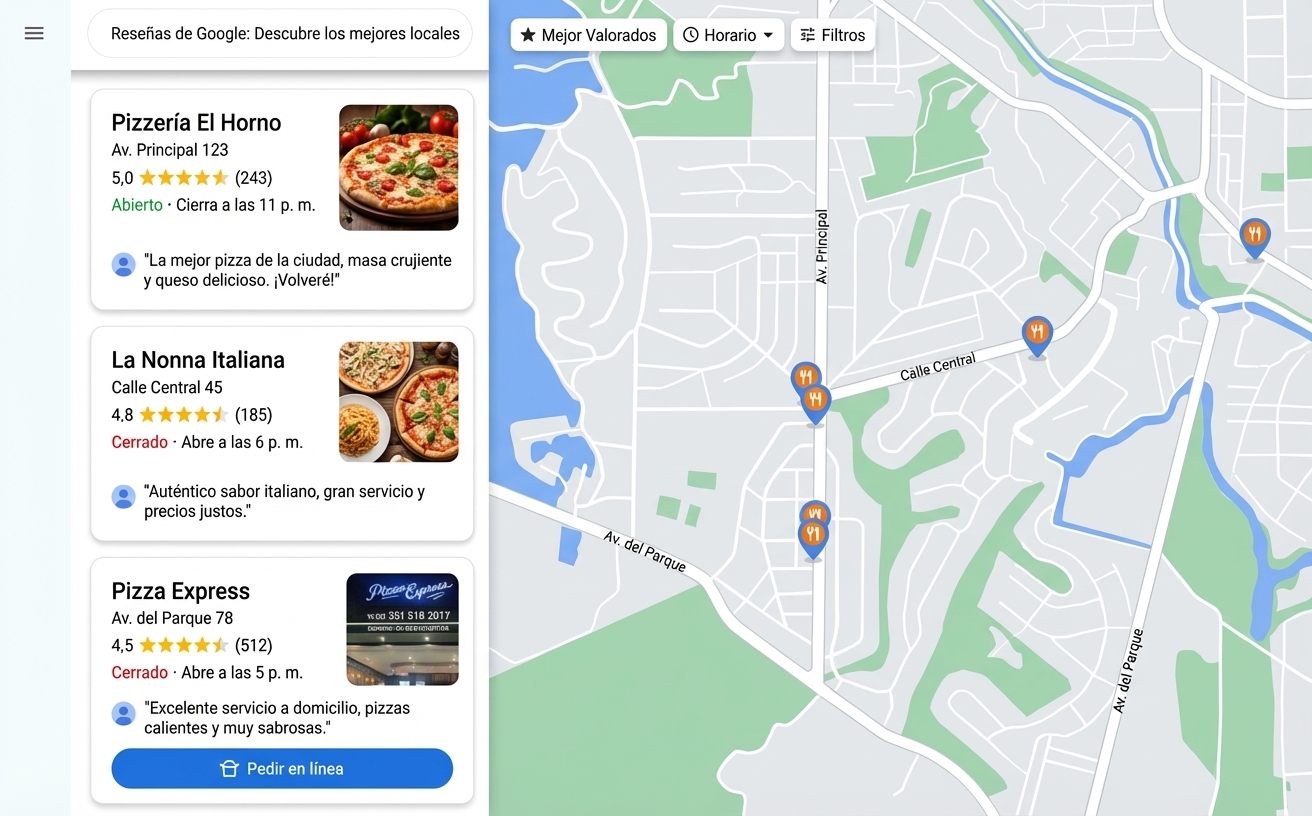
Proximity measures how close your business is to the user.

It is a factor you cannot directly control.

But you can optimize its impact.

How to optimize proximity indirectly. Even though you cannot change the user location, you can have presence in multiple areas, optimize each location, and generate local signals.

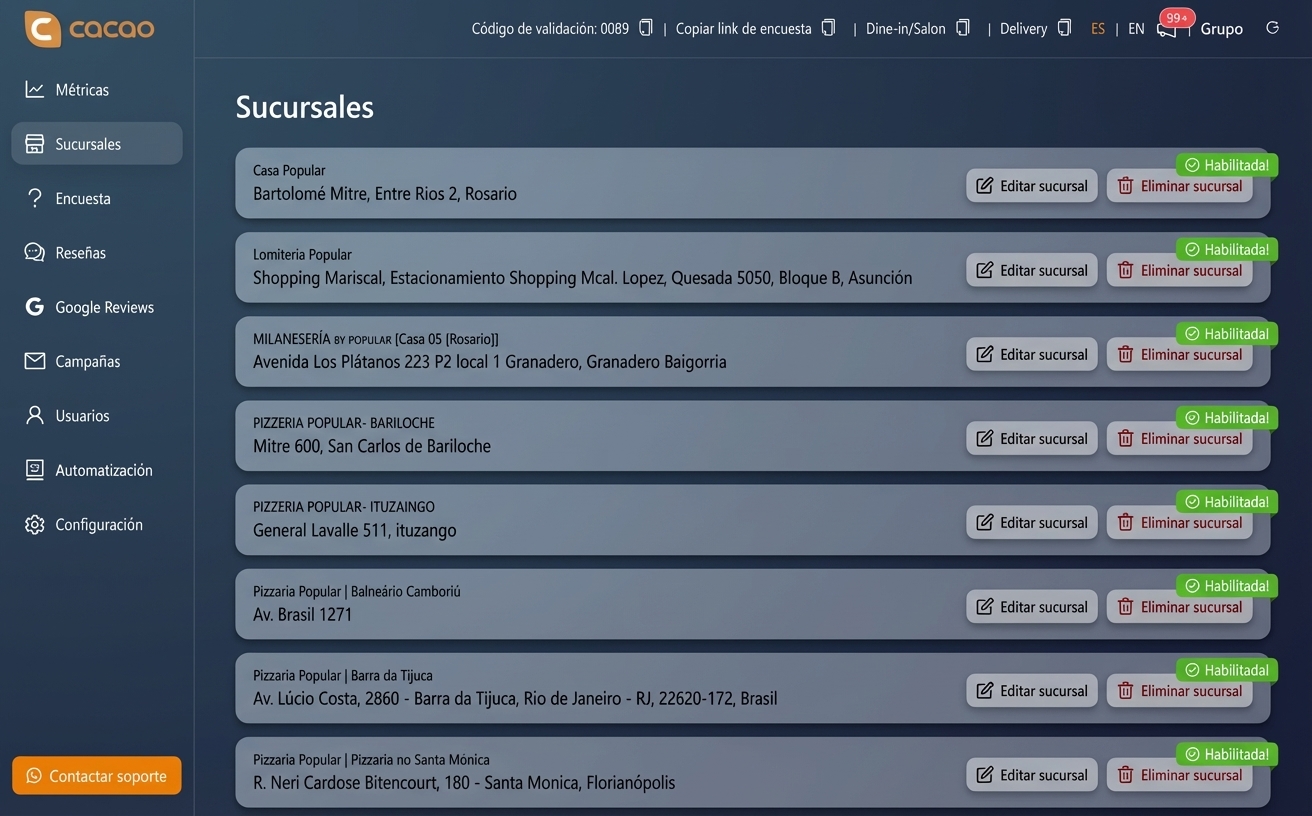
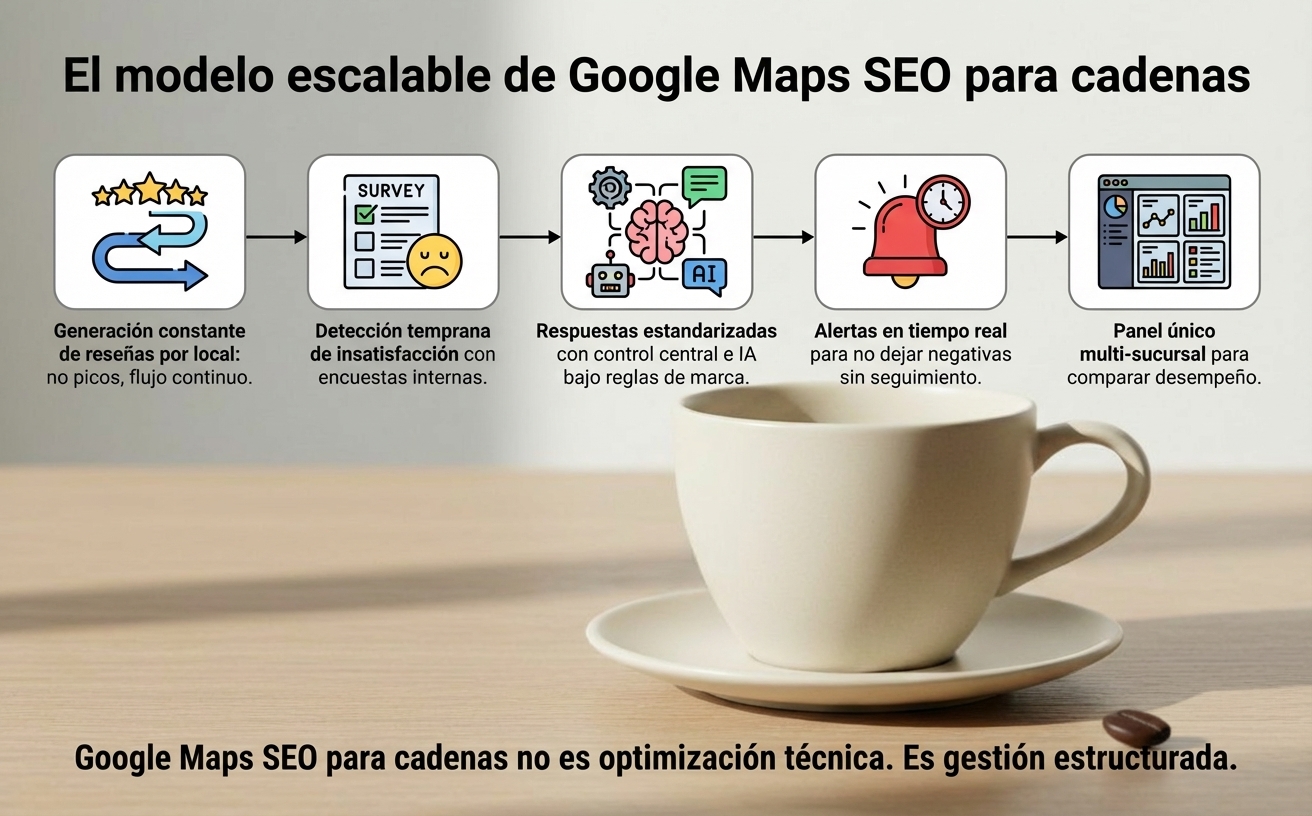
This is especially important in strategies such as Google Maps SEO for chains.

Relevance in Google Maps

Relevance: how well you match the search

Relevance measures how aligned your business is with what the user is looking for.

How to improve relevance. You can work on it by optimizing your profile, aligning your business with real searches, and generating coherent content.

But one of the most important relevance factors comes from users.

And that is where reviews come in.

  • Categories.
  • Description.
  • Content.
  • Keywords.
Prominence in Google Maps

Prominence: the factor you can work on the most

Prominence is the level of recognition and trust your business has.

It is the most important factor because it is the most controllable.

What prominence includes:

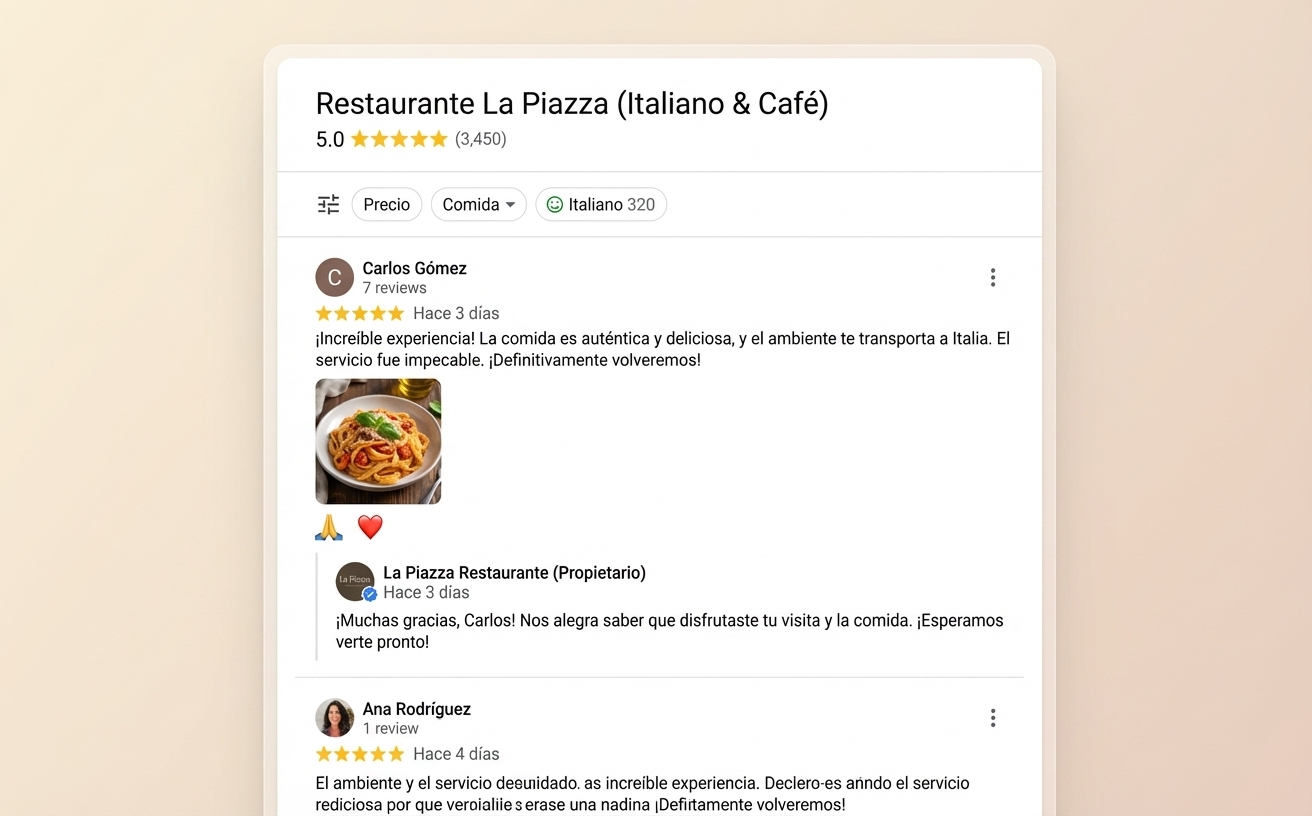
Why reviews matter. Reviews do not just create trust. They also directly impact ranking.

That is why understanding how to get Google reviews is one of the pillars of ranking.

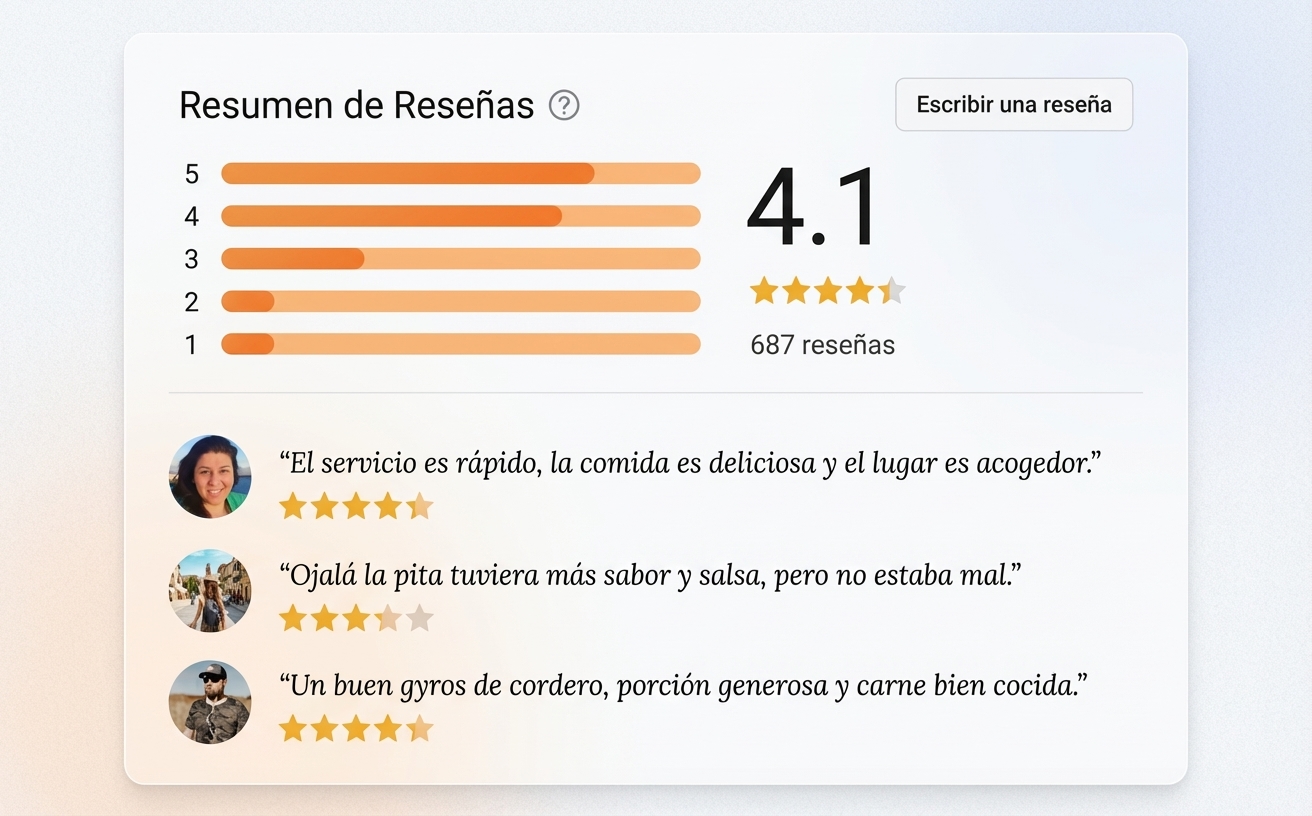
  • Review quantity.
  • Review quality.
  • Frequency.
  • Interaction.
  • Profile activity.
Role of management in ranking

The role of management in ranking

Having reviews is not enough.

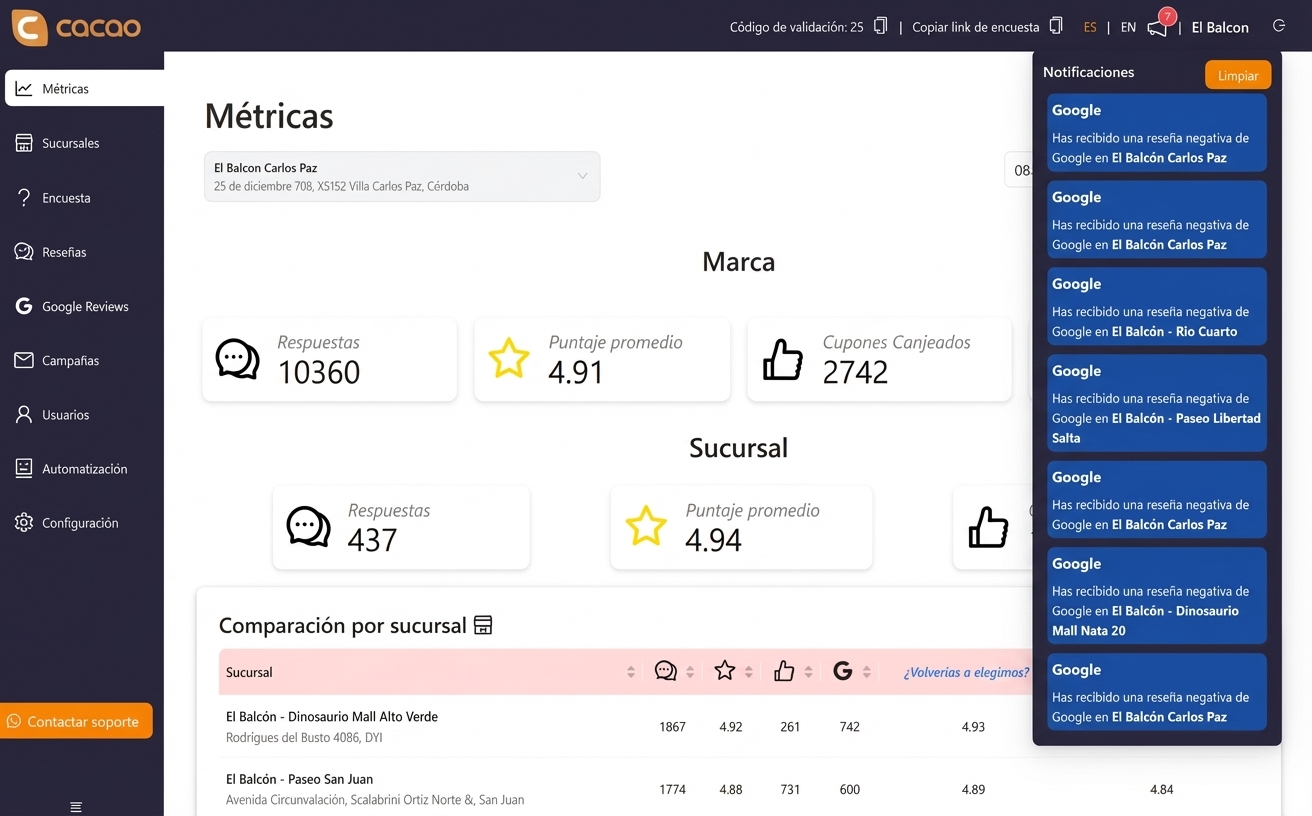
You need to manage them.

All of this influences ranking.

Good Google Maps review management strengthens prominence.

  • It increases activity.
  • It improves perception.
  • It builds trust.
Additional ranking factors

Additional factors that impact ranking

Beyond the three pillars, there are other factors that influence performance:

  • Profile consistency: clear and updated information.
  • Constant activity: active businesses rank better.
  • User interaction: the more they interact with your profile, the better.
  • Review distribution: especially important across multiple locations.
Connect ranking factors with a real strategy

How to connect ranking factors with a real strategy

Understanding the factors is not enough.

The real differentiator is how you apply them.

From theory to system. The businesses that rank best do not optimize factors in isolation.

They work with systems that:

This is what truly allows you to improve your Google Maps ranking in a sustained way.

  • Generate reviews.
  • Manage interaction.
  • Maintain activity.
  • Scale results.
Mistake of optimizing without consistency

The most common mistake: optimizing without consistency

Many businesses:

Google prioritizes consistency.

  • Optimize once.
  • Then abandon it.
  • Lose activity.
Scale ranking factor optimization

How to scale factor optimization

As the business grows:

That is why many businesses implement systems that allow them to:

  • Reviews increase.
  • Complexity increases.
  • Control is lost.
  • Centralize.
  • Automate.
  • Maintain consistency.
Real ranking impact cases

Real cases of ranking impact

Businesses that work on these factors achieve:

You can see examples in Google Maps success stories.

  • More visibility.
  • Better ranking.
  • More customers.
Online reputation and ranking

Online reputation and ranking

Ranking is not only technical.

It is also perception.

Working on online reputation management directly improves prominence.

Google Maps ranking factors do not work in isolation.

The businesses that rank best are the ones that work consistently, generate activity, and manage their reputation as a system. When you combine reviews, management, activity, and an optimized profile, ranking improves sustainably.

Request demo

Frequently asked questions

What are the most important factors for ranking on Google Maps?

Google groups ranking into three major factors: proximity, relevance, and prominence. Of these three, prominence is the most important because it is the only one you can actively work on. This includes review quantity, frequency of new reviews, customer interaction, and profile activity. That is why real optimization comes from working on these factors within a Google Maps ranking strategy.

How much weight do reviews have in Google Maps ranking?

Reviews are one of the most influential factors within prominence. It is not only about how many you have, but how recent they are, how often you receive new ones, what they say, and whether you respond. A business with few recent reviews usually ranks worse than one with a steady flow. That is why working on how to get Google reviews consistently is key to improving ranking.

Does replying to reviews really improve ranking?

Yes, although not directly like a keyword. Google interprets replies as a signal of activity, commitment, and interaction. Active profiles tend to rank better than inactive ones. In addition, replying improves user perception, which impacts conversion. This is part of a Google Maps review management strategy.

Can I rank on Google Maps without having many reviews?

It is possible, but very hard to sustain. A business with few reviews may appear temporarily, but over time it will be overtaken by competitors with more activity. Google prioritizes profiles that generate interaction, receive reviews consistently, and maintain activity. That is why volume is not the only thing that matters, but it is necessary.

How long does it take to improve Google Maps ranking?

There is no fixed timeline, but in general initial improvements appear within 2 to 6 weeks and sustained improvements within 2 to 3 months. The most important thing is not speed, but consistency. A business that works on its reviews and activity consistently tends to improve its position progressively.

Why is my business not appearing on Google Maps?

The most common causes are few reviews or old reviews, lack of activity, an incomplete profile, and low relevance for the search. It may also be that competitors are better optimized. In these cases, working on the factors in an integrated way is key to improving your Google Maps ranking.

What is the difference between relevance and prominence?

Relevance is how well your business matches the search. Prominence is how trustworthy and recognized your business is. In practice, relevance gets you to appear and prominence helps you move up in positions. Both factors work together.

How does having multiple locations impact ranking?

Each location ranks independently. This means each one needs its own reviews, each has its own performance, and some may rank better than others. Without a clear strategy, this creates inconsistencies. That is why it is key to work with strategies such as Google Maps SEO for chains.

Which mistakes hurt Google Maps ranking the most?

The most common ones are not generating reviews, not replying, doing it inconsistently, and abandoning the profile. The biggest mistake is thinking that optimizing once is enough. Google prioritizes constant activity.

How can I improve my ranking in a sustained way?

The key is not optimizing isolated factors, but combining them: generate reviews, manage them, maintain activity, and optimize the profile. That becomes a system. If you want to see how to implement it step by step, you can review how to rank on Google Maps.

Does the content of reviews influence ranking?

Yes. Google analyzes the text inside reviews to better understand the business. If many reviews mention terms such as pizza, delivery, or fast, relevance improves for those searches. That is why not only quantity matters, but also content quality.

Can ranking be scaled without tools?

In small businesses, yes. But as volume grows, complexity increases, control is lost, and execution becomes inconsistent. That is why many companies implement systems that allow them to centralize, automate, and maintain consistency.

What is the biggest mistake when working on Google Maps SEO?

Thinking it is a one-time task. Google Maps ranking is dynamic. The businesses that rank best are the ones that work consistently, generate activity, and manage their reputation.